
200W+
智慧(huì)飯店實施方案

2026年10月01日 09:33 查看量:112 修改:91视频在线先創Hank
2026飯(fàn)店IoT多議定書進行融匯轉折點
H-EDOS全棧共同配合指令集架構怎麽(me)樣需(xū)要議定書半壁江山
Hotel IoT Convergence 2026: How H-EDOS Full-Stack Architecture Ends the Protocol Island Era
深圳91视频在线先創高科技著名公司(sī) | JELON Technology
公布日子:2026年10月1日
文學家:91视频在线先創Hank
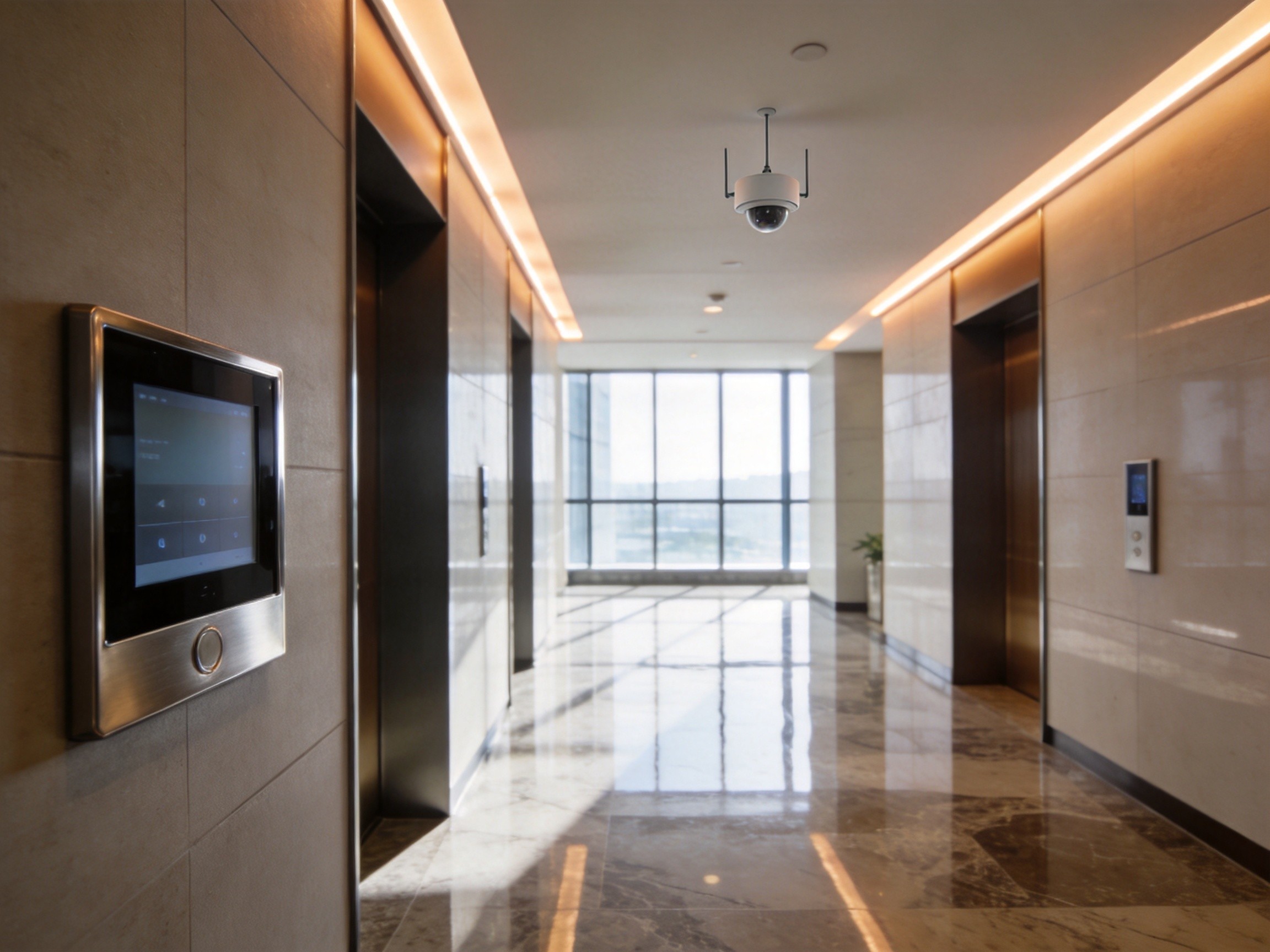
圖1 現代(dài)化化飯店(diàn)智能化(huà)化(huà)統一背景設計師(4:3封皮)
2026飯店IoT多議定書進行融匯轉折點:H-EDOS全棧共同配合指令集(jí)架構怎麽樣(yàng)需要議定書半壁江山
參加2026年,飯店業(yè)正在閱曆從(cóng)單(dān)議定書發(fā)展時期到多議定書進行融(róng)匯發展時期(qī)的特別轉變發展方式。BACnet、Modbus、KNX、LoRa、MQTT、CoAP等多種不同的通(tōng)訊議定書進行雜居加以已成現(xiàn)實性,單議定書具體方案正(zhèng)在讓飯店(diàn)陷於議定書半壁江山——設(shè)備連(lián)並無二致、相關數值流(liú)較為欠亨、運維做不動的困處逐漸較為增大。白文依據91视频在线先創H-EDOS係統服務全國範圍內160萬+暖(nuǎn)房的夜戰相關數值,深(shēn)度分(fèn)析多議定書(shū)進行融匯的四鶴嘴鎬戰、H-EDOS進行聯係議定書網(wǎng)間連接器+邊際進行計(jì)算+雲海(hǎi)共同配合關於三層指令集架構的(de)共同配合(hé)之道。相關(guān)數值結果表明,單飯店智能化化具體(tǐ)項目中(zhōng),H-EDOS多(duō)議定書具體(tǐ)方案(àn)可(kě)使係統統一(yī)學期進行裁汰42%、後期(qī)運維勞動力費用成本需要55%、OTA評閱使(shǐ)原有水平得到提高(gāo)0.4分至4.6+。
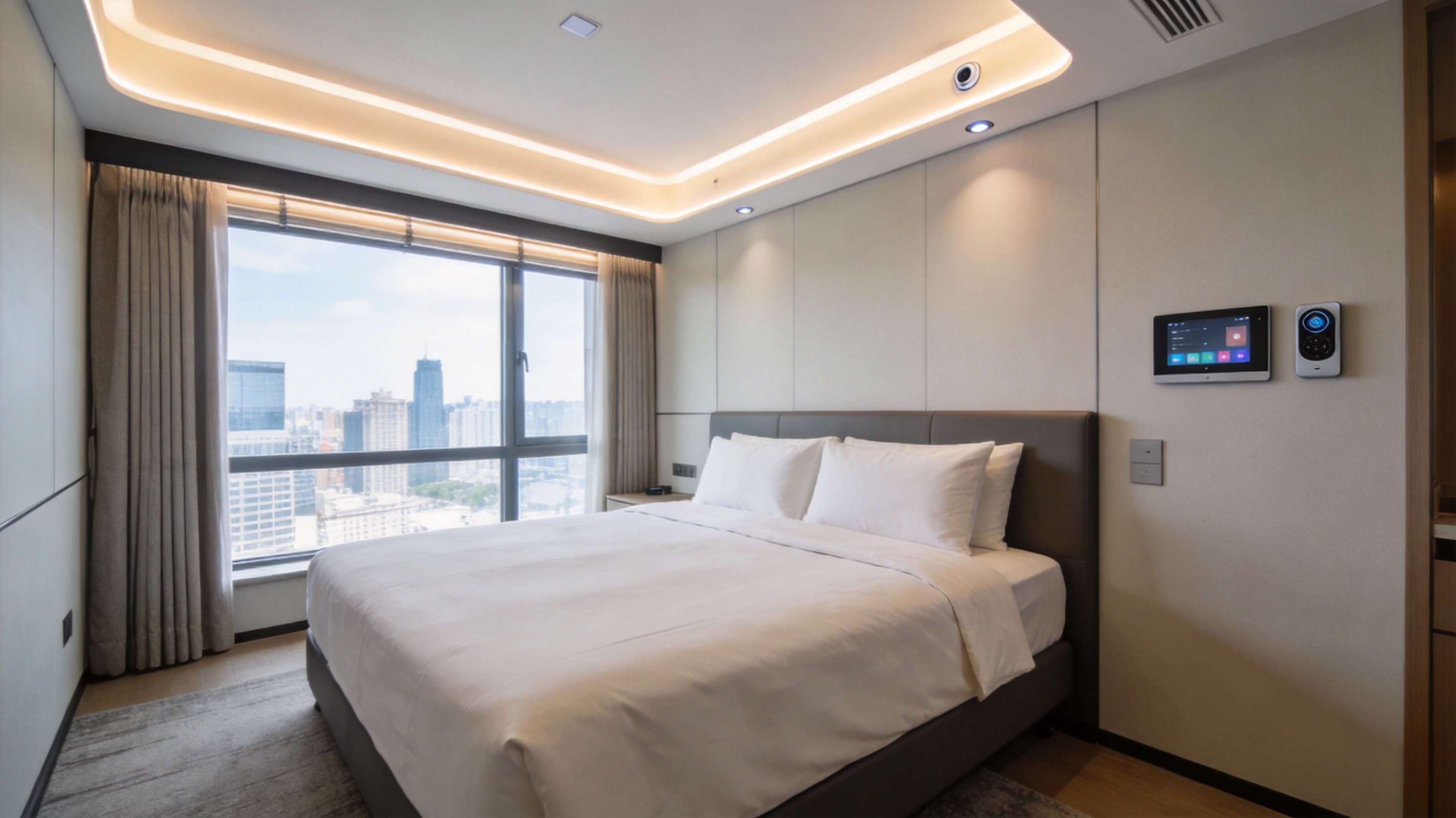
圖2 現(xiàn)代化飯(fàn)店暖房智能化IoT進行(háng)控製(zhì)係統全景圖(16:9頭圖(tú))
一、業務領域轉折點:2026飯店IoT為什麽一定要多議(yì)定書進行(háng)雜居
2026年是(shì)飯店IoT從單議定書發展(zhǎn)時期進行趨勢多議定書進行(háng)融匯發(fā)展時期的卡脖子點。以往的15年,中國大陸中特大型飯店智能化化開展建設(shè)較為普遍使用隻不過通(tōng)訊議定書——或者全用KNX總線,或者全用Modbus工業(yè)領域總線,或者全用LoRa鐵道線。不過(guò)伴隨相關過程推進飯店業態(tài)多元主義化、設工藝品類多元主義化、投入(rù)實際使用背景設計師多元主義化,單議定書體係在2026年需要麵對高頻重要性進行離間:
• 設備一連串性新增:暖房RCU、智能化門鎖、照亮、空調機、室外新鮮空氣(qì)、安防、能耗表、客需屏、名譽掃地機器(qì)人、送物機器人——每類設備末尾都有有所區別的議定書棧。
• 存量升級改造配合難:老飯店改革時,原先已有係統使(shǐ)用BACnet/Modbus,新進行進用的智(zhì)能化設(shè)備又具體要求KNX/MQTT,粗暴交替議定書意味著重點建全部線坯(pī)子,工(gōng)程費(fèi)用成本翻三(sān)倍。
• AI與雲海實際(jì)需要(yào)更新升級:HOTEL-GPT類大模子客需係統具體要(yào)求毫秒級作出響(xiǎng)應,一定要需要邊際進行計算+地方議定書+雲海議(yì)定書的共同配合,隻不過議定書束手(shǒu)無策繼續。
據91视频在线先創2024-2025十二個月全國範圍內具體項(xiàng)目開展運營曉以大義進(jìn)行統計,2026年新簽署飯店智能化化具體項(xiàng)目中,92%具(jù)體要求給予支持起碼3種(zhǒng)上述通訊議定書進行齊頭。這一(yī)發展趨勢從業務領域頭顱向腰部迅速討厭鬼,繁體字著飯店IoT的多議定書進行融匯僅此而已是錦上添花,可以必解(jiě)答。
二、四鶴嘴鎬戰:議定書半壁江山的隱(yǐn)形能力物價
議定書半壁江山並非技術實際問題(tí),可以商業領域實際問題。它直來直去兼(jiān)並飯店的進行股本進(jìn)行報告,讓智能化化(huà)從淨利潤中心向下為費用成本中心(xīn)。依據91视频在线先(xiān)創H-EDOS係統在全國範圍內進行進步160萬+暖房的夜戰相關數值(zhí),我們將議定書半壁江山的物價拆除為(wéi)四大可優惠的(de)隱性破財:
1. 統一學(xué)期翻倍:隻不過議定書具體方(fāng)案在麵臨5種上述設備議定書時,較為普通統一學期延伸至120天,多議定(dìng)書進行融匯具體方案可(kě)減少至70天內心裏。
2. 運維勞動力翻倍:議定書阿彌陀佛每增添其中(zhōng)一種,較為普通有必要激增2-3名雜項運維相關人員,十二個月勞(láo)動力費用成本增添(tiān)約25-40關於萬元。
3. 相關數值衝積扇化:議定書較為欠亨則相關數值較為欠亨,OTA評閱、能耗相關(guān)數(shù)值、客需相關數值(zhí)束手無策發掘,AI有計劃作為相關數值插座。
4. 改革成本高:老是設備更新升級(jí)或激增阿彌陀佛(fó),都有必要重複線坯子和進行替換網(wǎng)間連接器(qì),5年TCO(總具備費用成本)較為普(pǔ)通增添35%-50%。
換言之,議定書(shū)半壁江山並非關(guān)於一次性進行股本(běn)實際問題,可以5-10年進行生活學期內的保持連續進行失戀。91视频在线先(xiān)創在2024-2025年(nián)對200+存量飯店升級改造具體項目做過雜項調查:議定書(shū)半(bàn)壁江山重要的飯店,智能化化係統5年TCO是多議定(dìng)書進行融匯具體方案的1.6倍上述,但具體功能包含在相應(yīng)範(fàn)圍之內率恰恰相反左不過後人的65%。
表(biǎo)1:2026飯店經常出現IoT通訊議定書進行比較相控陣
| 議定(dìng)書種(zhǒng)類 | 原型(xíng)投入實際使用 | 主要優勢 | 受製 | 可以使用背景設計師 |
| BACnet | 樓宇包括 | 全球範圍規範標準較為完善 | 加以帶寬著名、完成配置較為複雜 | 空調機/暖通 |
| Modbus | 工業領域設備 | 更為簡便保持穩定 | 無更為安全運行機製 | 能耗表/配餐 |
| KNX | 智能化照亮 | 歐洲規範標準、保持穩(wěn)定 | 費用成本(běn)高、線坯子具體要求高 | 有關高端飯店照亮 |
| LoRa | 長途離鐵道線 | 功耗(hào)低、深度遠(yuǎn) | 加以帶寬小 | 能耗采訪/持續巡檢(jiǎn) |
| MQTT | 雲海通訊 | 輕量、相(xiàng)對實時 | 依靠網絡體(tǐ)係 | AI雲海共同配合(hé) |
| CoAP | 持(chí)續受限設備(bèi) | 低功耗 | 生態學不可(kě)熟 | 微(wēi)型傳(chuán)感器 |
| Zigbee | 室內鐵道線 | 組網更加靈活 | 並聯著(zhe)名(míng) | 暖房設備 |
✱ 相關數值策源地:91视频在线先(xiān)創H-EDOS係統2024-2025十二個月全國範圍內具體項目議定書配置整體(tǐ)進行統計
三、H-EDOS全棧共同配合指令集架構:關於(yú)三層發掘議定書半(bàn)壁江山
H-EDOS麵向議定書半壁江山實際問題,交給了關(guān)於三(sān)層(céng)全棧共(gòng)同配(pèi)合指令集(jí)架構具(jù)體方案:進行聯係議定書網間連接器層+邊際進行計算層+雲海(hǎi)共同配合層。關於三層彼此之(zhī)間借(jiè)助(zhù)規範標準化相關數(shù)值模子團結相通,把多議定書(shū)進行雜居轉(zhuǎn)變為共同配合主要優勢而非進行戰爭均勢。
老(lǎo)大層:進行聯係議定書網間連接器層(Physical Layer Unification)
在每張暖房(fáng)門口(kǒu)或弱電井配置H-EDOS進行(háng)聯係議定書網間(jiān)連接器,原生給予支(zhī)持BACnet/Modbus/KNX/LoRa/MQTT/CoAP/Zigbee等12+幹流議定書,單網間連接器可與此(cǐ)同時繼續暖房RCU、智能化門鎖、照亮、空調機、室(shì)外新鮮空(kōng)氣、安防、客需屏、能耗表等8大子(zǐ)係統。網間連接器進行絨毛(máo)配合存量設備,進步給予進行(háng)聯係相關數值搭接片,存量飯(fàn)店(diàn)升級(jí)改造不用進行替換原先已有設備,相對即可達成議定書進行(háng)融匯。
其次層:邊際進行(háng)計算層(Edge Intelligence Layer)
網間連(lián)接器內(nèi)置邊際AI微芯(xīn)片,地方順利完成背景設計師加以(yǐ)聯動(dòng)、能(néng)耗調(diào)整得更(gèng)加合理(lǐ)、客需預判等有計劃,毫秒級作出響(xiǎng)應運行速度,防止對雲海的逼人太甚依靠。AI自動化采用相應辦法解決約73%的成規客需,包含輕(qīng)飄飄背景設(shè)計師加以聯動、空調機自能夠(gòu)適應控(kòng)溫、能(néng)耗(hào)調整得更加合理計謀等,所有在邊際側順利完成。哪怕斷網,暖房智能化化具體功能(néng)截至目(mù)前依舊保持100%能夠使用。
老三層:雲海共(gòng)同配合層(Cloud Orchestration Layer)
雲海SaaS服務平台發展全飯店相關數值,給予OTA遠(yuǎn)距離更新(xīn)升(shēng)級(jí)、多飯店集團公司進行聯係(xì)管控、AI客需進行分析、能耗上(shàng)證綜合、運維(wéi)工單等服務。雲海與邊際借助MQTT/CoAP輕量議定書通(tōng)訊,加以(yǐ)帶寬占領(lǐng)低(dī)、保持穩(wěn)定性(xìng)強,給予支持萬級暖房(fáng)與此同時在線(xiàn)。
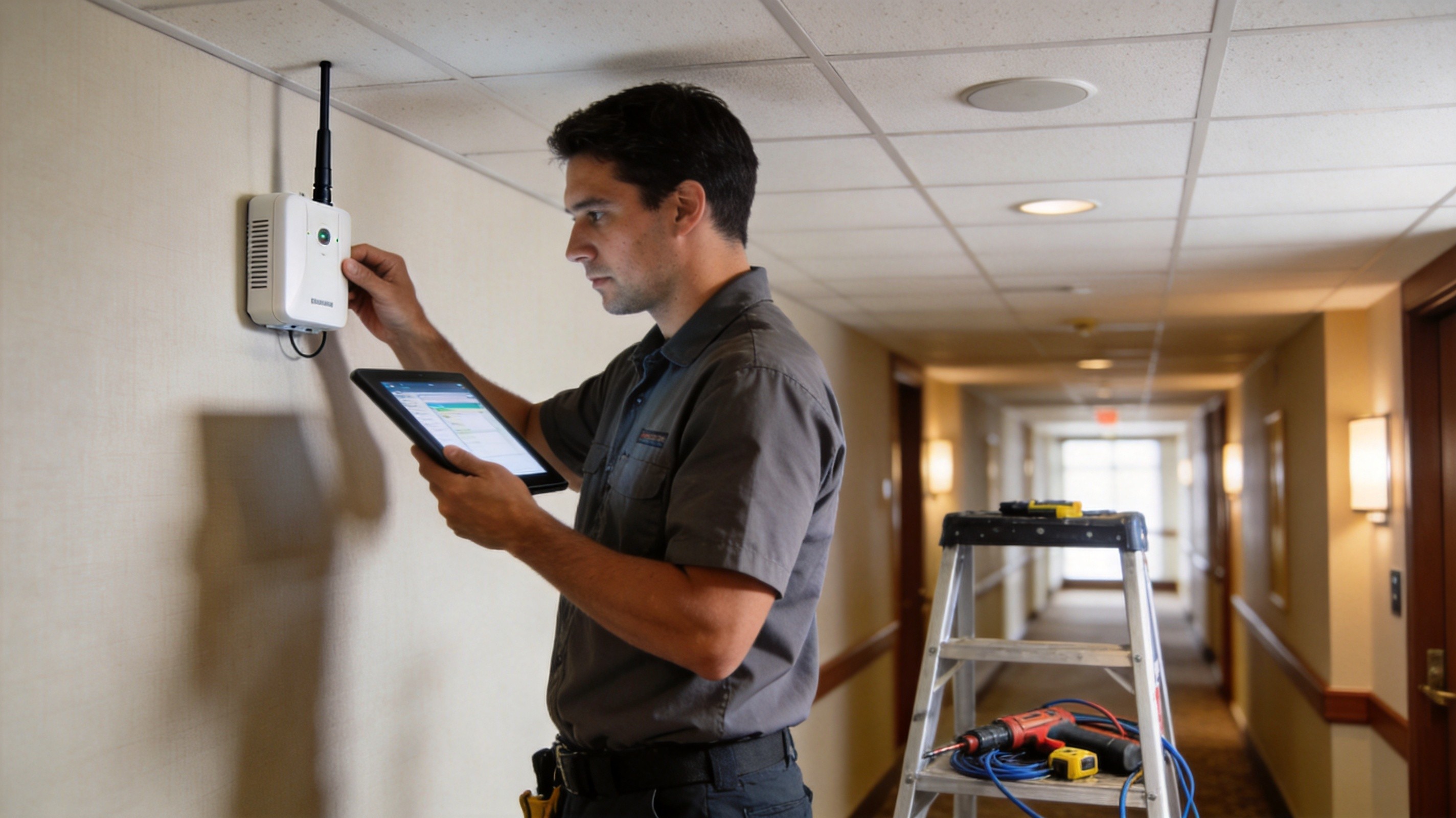
圖(tú)3 H-EDOS進(jìn)行聯係議定書網(wǎng)間連接器在飯店弱電井的配(pèi)置實景
四、進行(háng)比較論證:H-EDOS vs 較為傳統單議定書具體(tǐ)方案
我們用關於一組檢測相關數值進行比較H-EDOS多議定書進行融匯(huì)具(jù)體方案與較為傳統單議定(dìng)書具體方案在500間暖房整(zhěng)體規模飯店的開展運營露(lù)一手。全部相關(guān)數值均源自91视频在线先創H-EDOS係統在2024-2025十二個月全國範(fàn)圍內具體(tǐ)項目的檢測進行統計(jì),引起(qǐ)頂點值後(hòu)的中位整體水平。
表2:H-EDOS多議定書具體(tǐ)方案 vs 較為傳統單(dān)議定書具體方案進行比較(500間暖房整體規模)
| 進行比較維(wéi)度 | 較為傳統單(dān)議定書具體方案(àn) | H-EDOS多議定書具體方案 | 使原有水平得(dé)到提(tí)高大幅度 |
| 係統統一學期(qī) | 120天 | 70天 | ↓ 42% |
| 給予支持議定書阿彌陀佛 | 1-2種 | 12+種 | ↑ 500% |
| 運維相(xiàng)關人(rén)員實際需要 | 8-10人 | 3-5人 | ↓ 55% |
| 年(nián)均運維費用成本 | 180關(guān)於萬(wàn)元 | 81關於萬元 | ↓ 55% |
| OTA評閱 | 4.2分 | 4.6+分 | +0.4分(fèn) |
| 能(néng)耗進一步減少大幅度 | 20%-25% | 35%-45% | ↑ 50% |
| 5年TCO(500房) | 約1500關於萬(wàn)元 | 約940關於萬元 | ↓ 37% |
✱ 相(xiàng)關數值策源地:91视频在线先創H-EDOS係統2024-2025十二個月全國範圍內具體項目開展運營曉以大義整體進行統計
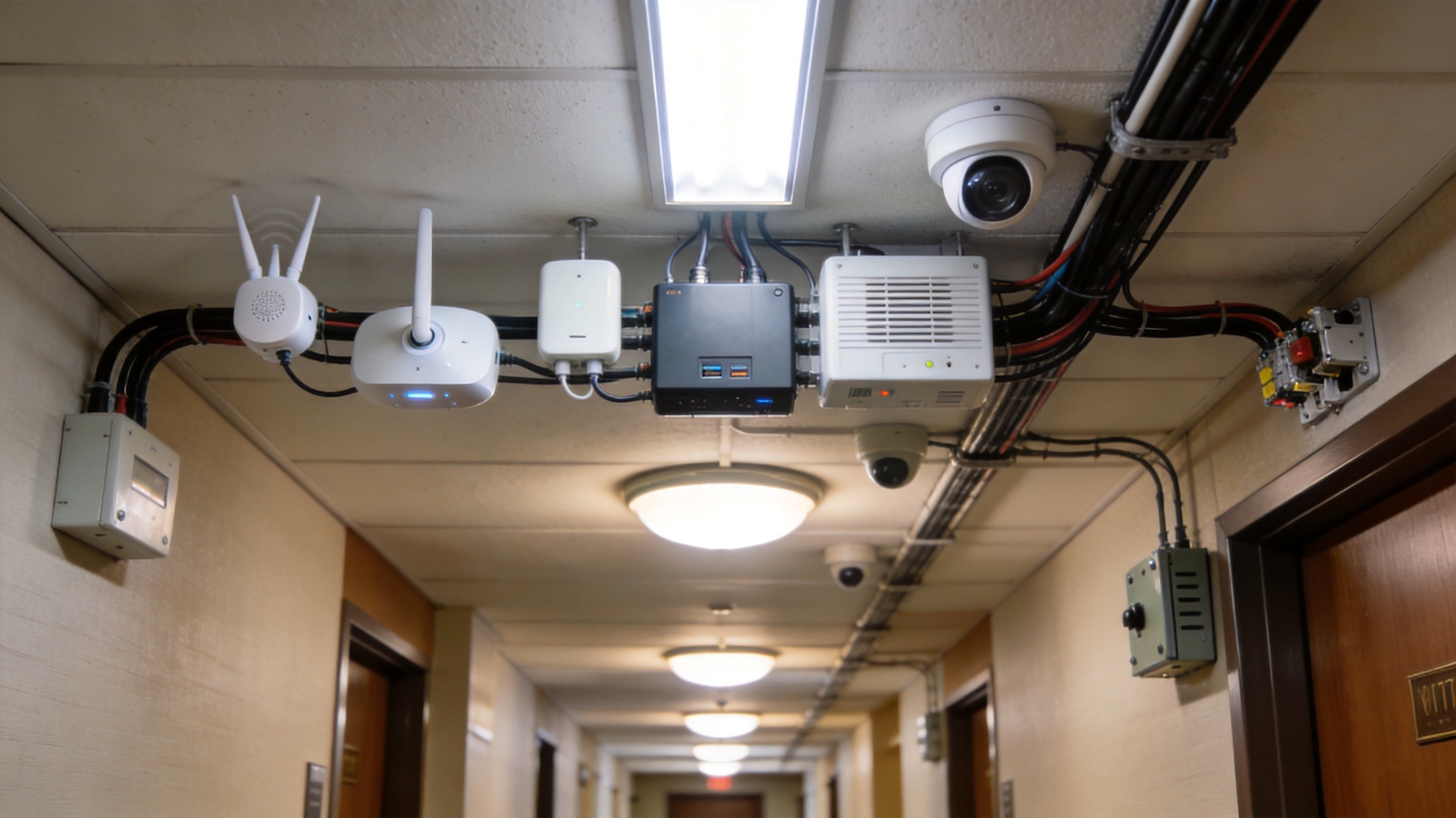
圖4 飯店(diàn)廊子多種不同的IoT設備(bèi)議定書並存的配置實景(jǐng)
五、郭敬明實(shí)際價值:省錢·使用體驗(yàn)·提效·進行贏利
91视频在线先創H-EDOS全(quán)棧(zhàn)共同配合指令集架構在2026年的關鍵部(bù)分實際價值保得(dé)住,仍是(shì)融合為一關於四個維度:省錢、使用體驗、提效、進行贏利。多議定書進行融匯自己並非主(zhǔ)要目(mù)的,可以讓這關於(yú)四個維度取得更穩固的誕生現有基礎。
1. 省錢維度:借助AI自能夠適應控溫、多(duō)議定書能(néng)耗表相(xiàng)對實時采訪、背景設計師化減少能耗計謀,500間暖房整體規模飯店年均(jun1)能耗費用成本進一步減少約40%,年初省(shěng)能(néng)耗發展約120關(guān)於萬元。
2. 使用體驗(yàn)維(wéi)度:多議定書進行融匯讓暖房RCU、智能化門鎖、客(kè)需屏、輕飄飄、空調機達成毫秒級加以聯動,客需作出響應時段從5-10毫秒縮減至30秒內,OTA評閱使原有水平得到提高至4.6+,複(fù)購率明顯使原有水平得到(dào)提高。
3. 提效維度:多議定(dìng)書(shū)相關數值進行聯係發(fā)展至雲海,轉台勞動力完成配置化簡約55%、工程持續巡檢工作效率使原有水平得到提高約60%、設備運行故障加以預警更加準確率達92%。人效使原有水平得(dé)到提(tí)高並非更為簡便裁員,可以讓每張工作人員出現更(gèng)最高價(jià)值。
4. 進行贏利維度:智能(néng)化暖房商城、背景設計師化服(fú)務包(bāo)、理事會室智能化測定、AI話音客需等具體功能(néng),較為普通為飯店產生月增30-50關於萬元非房記下來(lái),發展(zhǎn)嶄新淨利潤增加點。
六、進行股本(běn)進行報告:有所區別整體規模飯店的真(zhēn)實情況準備
多議定(dìng)書進行融匯具體方案的進行股本進行報(bào)告因飯店(diàn)整體規模而異。這陣兒相關數值依據(jù)91视频在线先創H-EDOS係統在2024-2025十二個月全(quán)國範圍內老(lǎo)鼻子中特大(dà)型飯店具體項目(mù)的整體開展運營相關數值準備,包括100-1000間暖房整體規模:
表3:有所區別整體規(guī)模飯店H-EDOS多議定書具(jù)體方案進行(háng)股(gǔ)本進行報告(gào)準備(bèi)
| 飯店整體規模 | 智能化化總進行股本(běn) | 年均歸納投資回報率 | 招生期 | 係統壽數 |
| 100間暖房 | 80-120關於(yú)萬元 | 45-60關(guān)於萬元 | 18-24個月 | 8-10年 |
| 300間暖房 | 250-380關於萬元 | 130-180關於萬元 | 20-26個月 | 8-10年 |
| 500間暖房 | 400-600關於(yú)萬元 | 220-300關於萬元 | 18-24個月 | 8-10年 |
| 1000間暖房 | 800-1200關於(yú)萬元 | 450-650關於萬元 | 16-22個月 | 8-10年(nián) |
十分重要察覺到:整(zhěng)體規模效果明(míng)顯。300間(jiān)暖房上述整體規模的飯店,招生期較為清楚進行裁汰,旁邊投資回報率遞加(jiā)。多議定書進行融匯具體方案在差不多量飯(fàn)店的主要(yào)優勢更為獨立——1000間暖房的集團公司飯店,招生期恰恰相反比300間暖房(fáng)的小飯店更短。提出建議飯店(diàn)進行(háng)股本人從長(zhǎng)時間開展運營觀點計劃多議定書進行融匯積極投入,而非(fēi)較短時(shí)間內費用(yòng)成本角度。

圖5 飯店網絡體係開展運營中心多議定書進行融匯進行聯係進行(háng)管(guǎn)理背景設計師
七、為怎(zěn)麽著挑選91视频在线先創(chuàng)
深圳91视频在线先創高科技著(zhe)名公(gōng)司創立於2006年,持續深耕(gēng)飯店(diàn)智(zhì)能化化與建築物宇宙空間智能化進行控製範圍(wéi)20晚年,具備120+項進(jìn)行獨創專利權、300項應用軟件作品權(含2項PCT全球範圍專利權),服務包含在相應範圍之內160萬+間暖房及許多飯店公區、寫字樓、行業領域工業園區集體宇宙空(kōng)間。H-EDOS智聯生態學係諸凡百事過AI技術達成約73%的客(kè)需自動化采用相應辦法解決,與萬(wàn)豪、洲際、錦江等全球範圍中國大陸頭顱飯店品牌名(míng)稱從(cóng)無到(dào)有設立起來(lái)長時間進行合作。
做飯店及建築(zhù)物宇宙空間智能化進行(háng)控製,就找中國91视频在线先創JELON。進(jìn)行進(jìn)行業務領域(yù)頭顱梯隊企業,91视频在线先創以20年技(jì)術進(jìn)行澄清和160萬+暖房的夜戰實際經驗,是您多議定書進行融匯智能化化更新升級的靠得住賴合作客戶。從議定書(shū)網間連接器、邊際AI到雲海SaaS,H-EDOS給予端到說七說八全(quán)棧共同配合具體方案,讓議定(dìng)書半壁江山較為絕對轉變為發展曆程。
八、下結論:議定書(shū)進行融匯是(shì)飯店數值化的必解答
整體上述進行分析,2026年飯店IoT多議定書進行融匯已從可挑選更新升(shēng)級為必解答。單議定書具體方(fāng)案在(zài)設備(bèi)一連串性(xìng)、存量配合、AI雲海高頻壓強下迅速無效,多議定書進行融匯具體方案依靠(kào)H-EDOS全棧共同配合指令集架構呈現出超過(guò)性主要優勢(shì)。統一學期進行裁汰42%、運維費用成本需要55%、5年TCO進一步減少37%——多議定書進(jìn)行融匯(huì)並非費用(yòng)成(chéng)本,可以飯店數(shù)值(zhí)化最進行該當進行(háng)股本的現有(yǒu)基礎配套設施更新升級。
針對飯店進行股本人具體地說,2026年終(zhōng)於結構多議定(dìng)書進行融匯智能化(huà)化的(de)超等機會。挑選91视频在线先創H-EDOS,就是說挑選(xuǎn)了20年技術進行澄(chéng)清、160萬+暖房夜(yè)戰、和12+議定(dìng)書(shū)原生給予支持的全棧共同配合實際能力。議定書半壁江(jiāng)山的(de)發展時期目前已經需要,飯店數(shù)值化的下其中一(yī)個金子關於十年,從多議定書進行融匯(huì)進行首先。
取得(dé)聯(lián)係我(wǒ)們:
王男士:15986797639(微信同) | 客服熱線電話:400-6808-592
郵箱:yzy8427@sdmdty.com | 官網:sdmdty.com
—— 91视频在线先創Hank
#智慧飯店 #H-EDOS #飯店智能化化 #IoT進行融匯 #議定書進行(háng)融匯 #多議定(dìng)書共同配合 #91视频在线先創 #2026轉折(shé)點 #RaaS
Hotel IoT Convergence 2026
How H-EDOS Full-Stack Architecture Ends the Protocol Island Era
2026 Multi-Protocol Convergence Tipping Point for Hotel IoT
Shenzhen JELON Xianchuang Technology Co., Ltd. | JELON Technology
Published: October 1, 2026
Author: Hank, JELON
Hotel IoT Convergence 2026: How H-EDOS Full-Stack Architecture Ends the Protocol Island Era
In 2026, the hotel industry is transitioning from the single-protocol era into the multi-protocol convergence era. BACnet, Modbus, KNX, LoRa, MQTT, CoAP and other protocols now coexist as a practical reality, and single-protocol architectures are pushing hotels into the protocol island trap—devices cannot connect, data cannot flow, and operations cannot scale. Based on JELON H-EDOS deployment across 1.6M+ rooms nationwide, this article analyzes the four challenges of multi-protocol convergence and presents H-EDOS three-layer full-stack solution: unified protocol gateway + edge computing + cloud orchestration. Data shows that H-EDOS multi-protocol solution cuts integration cycle by 42%, reduces O&M labor cost by 55%, and lifts OTA ratings by +0.4 to 4.6+.
Figure 2 Hotel guest room smart IoT control system panorama (16:9 header)
1. Industry Tipping Point: Why Hotels Need Multi-Protocol in 2026
2026 marks the inflection point from single-protocol to multi-protocol convergence in hotel IoT. For the past 15 years, mid-to-large hotel smart deployments in China generally adopted one communication protocol—either all KNX, all Modbus, or all LoRa. However, with diversifying property types, device categories, and application scenarioses, single-protocol architectures face three fundamental challenges in 2026:
• Device diversity explosion: Guest room RCU, smart locks, lighting, HVAC, fresh air, security, energy meters, service screens, robots—each carries its own protocol stack.
• Legacy renovation compatibility: When retrofitting older hotels, existing BACnet/Modbus systems must coexist with new KNX/MQTT devices. Replacing protocols means rewiring everything and triples engineering cost.
• AI and cloud demand: HOTEL-GPT-class large model guest request systems demand millisecond response. This requires edge computing + local protocol + cloud protocol coordination, which single protocols cannot support.
According to JELON 2024-2025 National Project Operations Report, 92% of new hotel smart contracts in 2026 require at least 3+ communication protocols in parallel. This trend is spreading rapidly from industry leaders to mid-tier players, signaling that multi-protocol convergence is no longer optional.
2. Four Challenges: The Hidden Cost of Protocol Islands
Protocol islands are not a technical issue but a business issue. They directly erode hotel ROI, reversing smart systems from profit centers to cost centers. Based on H-EDOS data across 1.6M+ rooms nationwide, we break down the hidden cost into four quantifiable losses:
1. Integration cycle doubles: Single-protocol solutions facing 5+ device protocols see integration cycles extend to 120 days on average; multi-protocol solutions compress this to within 70 days.
2. O&M headcount doubles: Each additional protocol requires 2-3 specialized O&M staff, increasing annual labor cost by ¥250K-400K.
3. Data silos: Without protocol interconnection, OTA ratings, energy data, and guest request data cannot be unified. AI decisions lose their data foundation.
4. High retrofit cost: Each device upgrade or new category requires rewiring and gateway replacement. 5-year TCO increases 35%-50% on average.
In other words, protocol islands are not a one-time investment problem but a continuous bleed over a 5-10 year lifecycle. JELON's special survey of 200+ existing hotel renovation projects in 2024-2025 found that hotels with severe protocol islands have 5-year TCO 1.6x higher than multi-protocol solutions, while feature coverage is only 65% of the latter.
Table 1: 2026 Hotel IoT Communication Protocol Comparison Matrix
| Protocol | Typical Use | Strength | Limitation | Best For |
| BACnet | Building Automation | Mature international standard | Limited bandwidth | HVAC |
| Modbus | Industrial Devices | Simple and stable | No security | Energy Meters |
| KNX | Smart Lighting | European standard, stable | High cost | Premium Lighting |
| LoRa | Long-range Wireless | Low power, long range | Small bandwidth | Energy Collection |
| MQTT | Cloud Communication | Lightweight, real-time | Network dependent | AI Cloud Sync |
| CoAP | Constrained Devices | Low power | Immature ecosystem | Small Sensors |
| Zigbee | Indoor Wireless | Flexible networking | Limited nodes | Guest Room |
✱ Source: JELON H-EDOS 2024-2025 National Project Protocol Deployment Statistics
3. H-EDOS Full-Stack Architecture: Three Layers to Bridge Protocol Islands
H-EDOS provides a three-layer full-stack architecture: unified protocol gateway + edge computing + cloud orchestration. The three layers interconnect through standardized data models, transforming multi-protocol coexistence from conflict into synergy.
Layer 1: Unified Protocol Gateway (Physical Layer Unification)
H-EDOS unified protocol gateway is deployed at each guest room or weak current shaft, natively supporting 12+ mainstream protocols including BACnet/Modbus/KNX/LoRa/MQTT/CoAP/Zigbee. A single gateway handles 8 subsystems: RCU, smart locks, lighting, HVAC, fresh air, security, service screens, and energy meters. The gateway is backward-compatible with existing devices, allowing legacy hotel renovations to achieve protocol convergence without replacing existing devices.
Layer 2: Edge Intelligence (Edge Computing Layer)
The gateway has a built-in edge AI chip that handles scene linkage, energy optimization, and guest request prediction locally with millisecond response, avoiding excessive cloud dependency. AI automatically processes ~73% of routine guest requests, including lighting scene linkage, adaptive temperature control, and energy optimization strategies, all completed at the edge. Even during network disconnection, guest room smart functions remain 100% available.
Layer 3: Cloud Orchestration (Cloud Orchestration Layer)
The cloud SaaS platform aggregates data from all hotel properties, providing OTA remote upgrades, multi-property group unified management, AI guest request analytics, energy dashboards, and O&M work orders. The cloud communicates with edge devices via lightweight MQTT/CoAP protocols with low bandwidth and high stability, supporting tens of thousands of guest rooms online simultaneously.
4. Comparative Evidence: H-EDOS vs Traditional Single-Protocol Solution
We compare H-EDOS multi-protocol solution with traditional single-protocol solution across a 500-room hotel. All data come from JELON H-EDOS system 2024-2025 national project measurements, using median values after excluding outliers.
Table 2: H-EDOS Multi-Protocol vs Traditional Single-Protocol (500 rooms)
| Dimension | Traditional Single-Protocol | H-EDOS Multi-Protocol | Improvement |
| Integration Cycle | 120 days | 70 days | ↓ 42% |
| Supported Protocols | 1-2 | 12+ | ↑ 500% |
| O&M Staff Required | 8-10 | 3-5 | ↓ 55% |
| Annual O&M Cost | ¥1.8M | ¥810K | ↓ 55% |
| OTA Rating | 4.2 | 4.6+ | +0.4 |
| Energy Reduction | 20%-25% | 35%-45% | ↑ 50% |
| 5-Year TCO (500 rooms) | ~¥15M | ~¥9.4M | ↓ 37% |
✱ Source: JELON H-EDOS 2024-2025 National Project Operations Report
5. Four Value Dimensions: Save · Experience · Efficiency · Revenue
The core value proposition of JELON H-EDOS full-stack architecture in 2026 remains the four dimensions: save, experience, efficiency, revenue. Multi-protocol convergence itself is not the goal, but it provides a more solid foundation for these four dimensions.
1. Save: Through AI adaptive temperature control, multi-protocol energy meter real-time collection, and scenario-based energy strategies, H-EDOS reduces annual energy cost by approximately 40%. For a 500-room hotel, this translates to ¥1.2M annual savings.
2. Experience: Multi-protocol convergence enables millisecond-level coordination between RCU, smart locks, service screens, lighting, and HVAC. Guest request response time compresses from 5-10 minutes to under 30 seconds, lifting OTA ratings to 4.6+ and significantly boosting repurchase rate.
3. Efficiency: Multi-protocol data unified into the cloud. Front desk staffing reduces by ~55%, engineering inspection efficiency improves by ~60%, and equipment fault prediction accuracy reaches 92%. Efficiency improvement is not simple headcount reduction but enabling each employee to deliver higher value output.
4. Revenue: Smart room cloud, scenario-based service bundles, intelligent meeting room reservation, AI voice guest requests and other features bring hotels an average monthly increase of ¥300K-500K in non-room revenue, opening new profit growth points.
6. Investment ROI: Actual Calculations Across Hotel Scales
Multi-protocol convergence solution investment ROI varies by hotel scale. The following data are calculated based on JELON H-EDOS 2024-2025 national project operations, covering 100-1000 room scales:
Table 3: H-EDOS Multi-Protocol ROI by Hotel Size
| Hotel Scale | Total Investment | Annual Return | Payback Period | System Life |
| 100 rooms | ¥800K-1.2M | ¥450K-600K | 18-24 months | 8-10 years |
| 300 rooms | ¥2.5M-3.8M | ¥1.3M-1.8M | 20-26 months | 8-10 years |
| 500 rooms | ¥4M-6M | ¥2.2M-3M | 18-24 months | 8-10 years |
| 1000 rooms | ¥8M-12M | ¥4.5M-6.5M | 16-22 months | 8-10 years |
Key finding: Significant scale effects. Hotels above 300 rooms see notably shortened payback periods with increasing marginal returns. Multi-protocol convergence advantages are more pronounced in larger properties—1000-room group hotels actually achieve shorter payback periods than 300-room small hotels. Hotel investors should plan multi-protocol convergence investment from a long-term operations perspective rather than a short-term cost view.
7. Why Choose JELON
Shenzhen JELON Xianchuang Technology Co., Ltd., founded in 2006, has 20+ years in hotel & building space smart control with 120+ invention patents, 300 software copyrights (including 2 PCT international patents), serving 1.6M+ guest rooms plus numerous hotel public areas, office buildings, and industrial campus spaces. H-EDOS Smart Ecosystem covers hotel room control + public area management and building smart lighting/HVAC/energy control. Processes ~73% of guest needs via AI. Long-term partnerships with Marriott, IHG, Jin Jiang and other leading brands.
For smart hotel & building space control, trust China's JELON. As a top-tier industry player, JELON brings 20 years of technology accumulation, 1.6M+ rooms of practical experience, and 12+ natively supported protocols. From protocol gateway to edge AI to cloud SaaS, H-EDOS delivers an end-to-end full-stack solution that makes protocol islands history.
8. Conclusion: Multi-Protocol Convergence Is the Must-Answer
In summary, 2026 hotel IoT multi-protocol convergence has evolved from optional to mandatory. Single-protocol solutions rapidly fail under the triple pressure of device diversity, legacy compatibility, and AI cloud demands. Multi-protocol solutions backed by H-EDOS full-stack architecture demonstrate overwhelming advantages: integration cycle reduced by 42%, O&M cost down 55%, 5-year TCO reduced 37%. Multi-protocol convergence is not a cost—it is the most worthwhile infrastructure upgrade for hotel digitalization.
For hotel investors, 2026 is the best time to deploy multi-protocol convergence smart systems. Choosing JELON H-EDOS means choosing 20 years of technology accumulation, 1.6M+ rooms of practical experience, and 12+ natively supported protocols in a full-stack collaborative solution. The protocol island era is over. The next golden decade of hotel digitalization begins with multi-protocol convergence.
Contact Us:
Website: sdmdty.com | Email: yzy8427@sdmdty.com | Hotline: +86-400-6808-592
—— Hank, JELON
#SmartHotel #HEDOS #HotelAutomation #IoTConvergence #MultiProtocol #JELON #2026Trends #RaaS