
200W+
智慧飯店實施方(fāng)案

2026年10月11日(rì) 09:35 查看量:46 修(xiū)改:91视频在线先創Hank
深圳91视频在线先創高(gāo)科技著名公司 | H-EDOS智聯生態學
JELON · 2026年10月業務領域(yù)深入研究曉以大義(yì)
封皮圖(tú) 東南(nán)亞海島加以度(dù)假飯店公堂·中國數智具體方案(àn)出港背景設計師全景圖
2026中(zhōng)國飯店數智化(huà)出(chū)港轉(zhuǎn)折點
RCEP紅利×東南(nán)亞人力費(fèi)用成本轉折點(diǎn)雙輪需要下,H-EDOS智聯(lián)生態學為什麽轉變為(wéi)200間暖房中資海外飯店的優選具(jù)體方案
【回本(běn)期 18個月(yuè)】 【單店勞動力降 47%】 【海(hǎi)外服務 6國】
公布日子:2026-10-11 · 91视频在线先創 Hank 產品(pǐn)
中散文要
2026年下全(quán)年,RCEP各個方麵誕生參(cān)加其(qí)次年、東南亞飯店業勞動力費用成本超過整體結構性轉折點、中國飯店品牌名稱世界(jiè)化(huà)參加「百店出港」河口期——關於三條雙曲線(xiàn)同姓增大,讓「中國飯店數智化具體方案出港」從(cóng)可挑選成為必解答(dá)。白文依據(jù)91视频在线先創20年技術逐步積累與160萬+暖房服務實際經驗,從「RCEP方(fāng)針紅利×東南亞飯店開展經營痛點×H-EDOS四化共(gòng)同(tóng)配合」關於三個維度,交給200間暖房中資海(hǎi)外飯店在18個月內回本的有計劃車架,並以泰(tài)國普吉某211間暖房加以(yǐ)度假飯店為範本,交給(gěi)可(kě)持續複用的盡調列表索引(yǐn)。針對正在綜合判斷海外擴大或存量海外飯店升級改造(zào)的進行股本人,這是關於一份「從方針紅利到資金帳簿(bù)」出港作為進行商量。
#HEDOS #H-EDOS #飯店數智化出港 #RCEP #東南(nán)亞飯店 #91视频在线先創 #2026出港 #智慧飯店 #飯店智能化化 #中資品牌(pái)名稱出港
王男(nán)士 15986797639(微信同號)
客服熱線電話 400-6808-592
官網 sdmdty.com
深圳91视频在线先創高科技(jì)著名公司
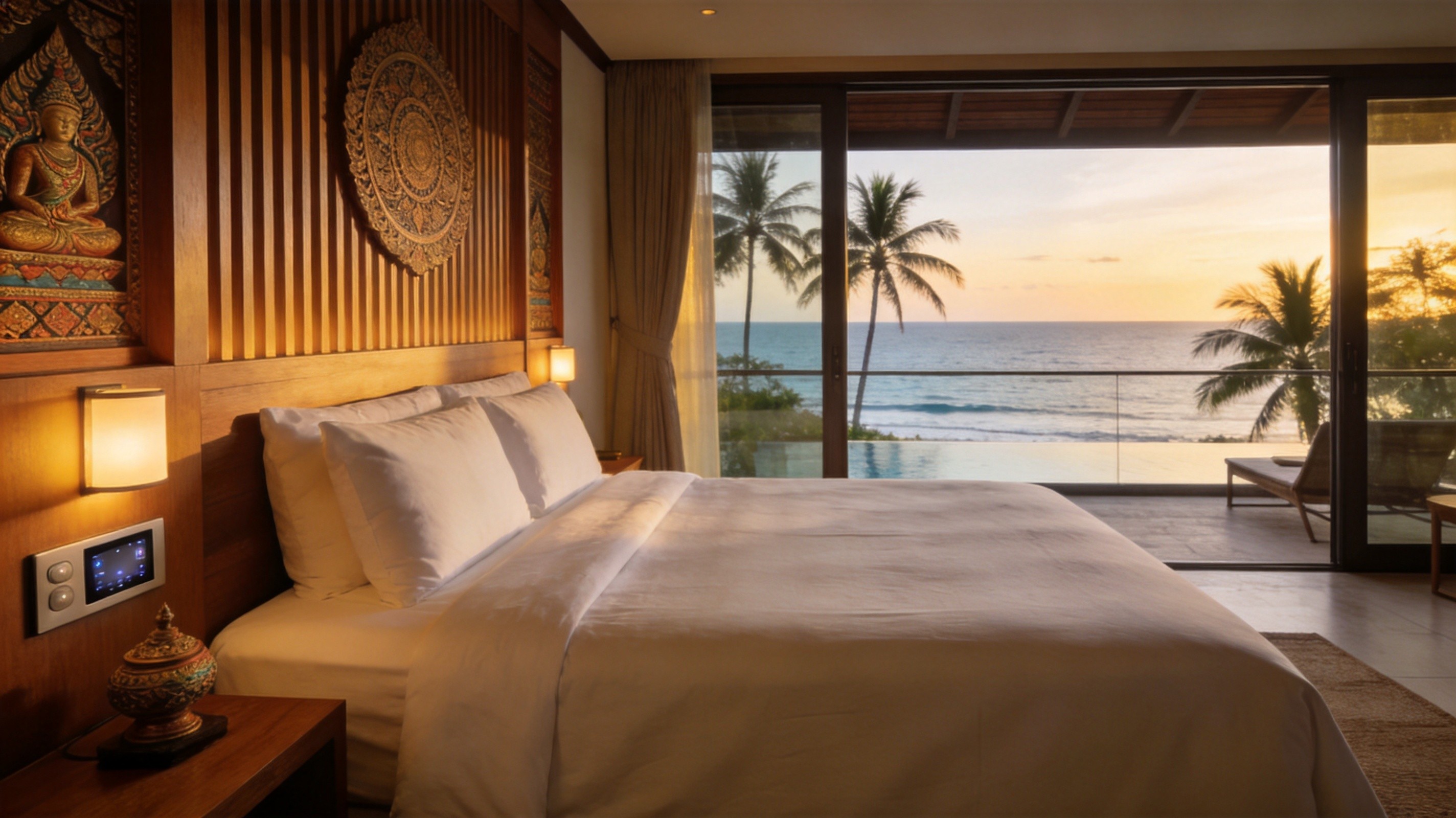
頭圖(tú) 中國(guó)飯店數智化出港(gǎng)全景圖 · RCEP紅利下東南亞飯(fàn)店智能化(huà)化更新升級
01 2026年下全年中國飯店(diàn)業的更加(jiā)最大進行無常:從「卷(juàn)中國(guó)大陸」到(dào)「卷出港」
以往五年,中國(guó)飯店業的更加主戰場在境內——存(cún)量升級改造、進行鏈條化、進行淪沒市場領域、輕加盟,誰能在(zài)中國大陸搶到數量更多門店、數量更多社員、數量更(gèng)多客流量,誰就(jiù)能牟取資金溢價。到了2026年下(xià)全年,這一記敘文的畫風老大次被表麵施加了其中(zhōng)一個新進行無常:出港。
對飯店進行(háng)股本人具體地說(shuō),「出港」目前已經從「遠期計劃」更新升級為「過去24個月一定要進行言語的議題」。關於三件事在2026年下全年(nián)同時進行出現,讓「中國飯店數智(zhì)化具體方案(àn)出港」從「可挑選」成為(wéi)「必解答」。
據中國旅遊深入研(yán)究院《2026中國離境遊與海外進行股本發展趨勢曉以大義》,2026年上(shàng)全年中國(guó)對東(dōng)南亞(yà)六國(泰國、越南、馬來西亞、印尼(ní)、菲(fēi)律(lǜ)賓、新加坡)的飯店類(lèi)直來直去進行股本達18.7億美金,同比增加約41%;新建及統一具體項目共包含暖房(fáng)數(shù)約2.3萬間,在這當中「中資品牌名(míng)稱說道+本地財產(chǎn)開展運營」的輕資本運行方式占比頭(tóu)一回進行進步62%。這意味著(zhe)著,「出港(gǎng)」目前已經僅此而(ér)已是一(yī)小部分頭顱集團公司的(de)「高門坎遊玩」,可以小(xiǎo)型飯店進(jìn)行鏈條、單店飯店進行(háng)股本人(rén)、房地(dì)產研發商都(dōu)在與此同時全麵考慮的大方向。
但在全部進行無常裏,海外飯店的進行股本論理與中國大陸全部有所區別(bié):人力費用成本整體結構、電費單價、設備進行采購物流運輸、OTA委托書率、網絡體係通訊規範標準、言語與行政法規——關於五個維度起碼有關於三個是中(zhōng)國大陸進行不肯進行遭遇的硬包括。要把中國大陸卷呈現出(chū)來的「中國具體方案」在海外誕生,僅(jǐn)靠「性價比」是缺(quē)乏的,一定(dìng)要從最底層指令集架構進行首先重複設計。
02 高頻雙(shuāng)曲線增大:RCEP紅利×勞動(dòng)力費用成本轉折點×中國具體方案較為完善度(dù)
把2026年下全年進行稱號「中國飯店數智化(huà)出港的轉折點」,不用誇張。關於三條(tiáo)雙曲線在(zài)相同個12個月河口期增大,結(jié)合過(guò)去5年飯店業尚未有過的(de)發展戰略河口。
老大條雙曲線:RCEP其(qí)次年紅利各個方(fāng)麵分析。2026年1月1日RCEP參加其(qí)次年,對東盟六(liù)國的設備進行門首保(bǎo)護關稅進一個步驟調職至0%-5%;服務進行(háng)零錢陰暗麵列表索引進一個步驟(zhòu)減少,建築(zhù)物工程、旅遊服務、相關數值服務(wù)範圍的對內(nèi)外資持續(xù)準(zhǔn)入相對大(dà)幅(fú)放鬆。這意味著著,把整套H-EDOS智聯生態學設備居中國深圳發往雅加(jiā)達(dá)、曼穀、胡(hú)誌明市的持續到岸費用(yòng)成本,比2024年需要約18%-22%;與此同時在本地計數器服務公(gōng)司、進行齒(chǐ)錄地方工程(chéng)師的符合規範道路也比(bǐ)事(shì)先更加清楚得多(duō)。
其次條雙曲線:東南亞飯店業勞動力費用成本轉折(shé)點已至。據泰國飯店海(hǎi)協會2026年Q2相(xiàng)關數值,泰國民中學端飯店轉(zhuǎn)台與暖(nuǎn)房(fáng)服務員月工資已從2019年的9,500泰銖(約2,000元普通人幣)漲至2026年的15,800泰銖(約(yuē)3,300元普通人(rén)幣),五年寬度66%;越南、印尼同姓寬度也好像50%。同姓(xìng)單房RevPAR增(zēng)加左不過約25%,勞動力費用成本寬度好像RevPAR寬度的(de)2倍。這意味著著,較為傳統「靠勞動力堆服務」的東南亞(yà)飯店(diàn)運行方式正在被整體結構性兼並,「用技術代替勞動力」從可挑選成為生活項。
老三條雙曲線:中國數智化具體方案較為完善度(dù)實現「可(kě)出港」門(mén)坎。91视频在线先創H-EDOS智聯生態學經曆160萬+間暖房夜(yè)戰,已順利完成(chéng)JelonLink議定書棧與Zigbee 3.0、BLE Mesh、KNX、Modbus TCP四大全球範圍工業領域議定書的全棧配合;HOTEL-GPT 4.0多言語發動(dòng)機已給予支(zhī)持中、英、泰(tài)、越、印尼、日、韓六種言語的客需語義進行鑒(jiàn)識;在曼穀、普吉、新加坡三地從無到有設立起來了地方化學工業(yè)程師證明(míng)體係。這關於三條雙曲線增大,讓「中國具體方案(àn)出港」老大次具有(yǒu)「方針給予支持×費用成本需要×技術較為完善」的更為完整持續閉環(huán)。

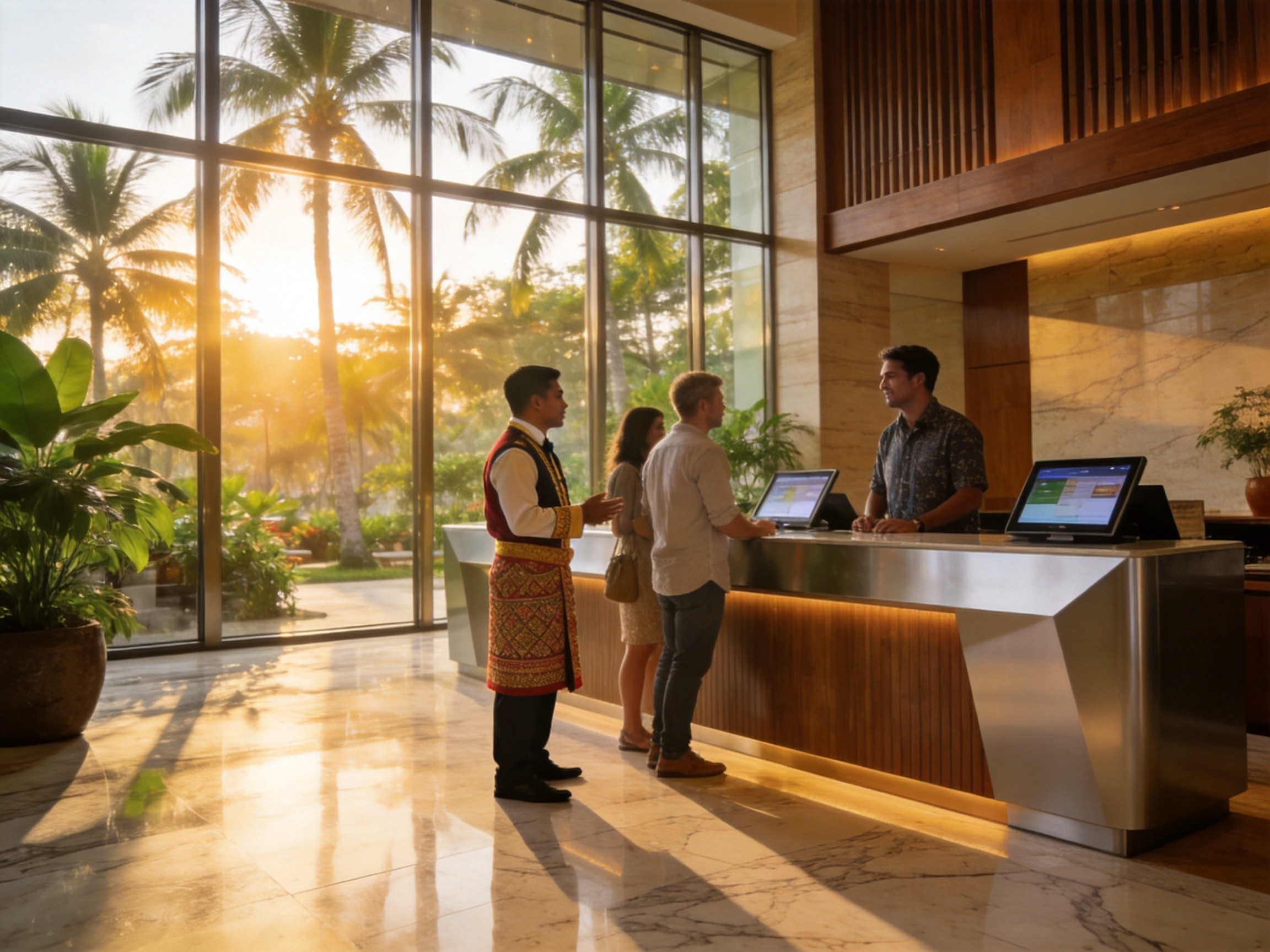
圖1 東南亞飯(fàn)店進行股本人盡調有計劃理事會工作(zuò)現場
03 東南亞飯店開展經營五種(zhǒng)痛點:為怎麽著(zhe)「中國大陸卷」實際經驗束手(shǒu)無策直(zhí)來直去Copy
三雙曲線增大可以「為怎麽(me)著出港」的白卷,「怎(zěn)麽樣(yàng)出港」卻遠(yuǎn)比中國大陸較為複雜。把東南亞飯店開展(zhǎn)經營拆除看,有五(wǔ)種痛點是中國大陸卷呈現出來的實際經驗束手無策直來直去(qù)研製的。
痛點一:勞動力(lì)費用成本與(yǔ)相關人員進行起伏翻一番(fān)高企。東南亞飯店工作人員月沒(méi)有率較為普遍在5%-8%(中國大陸同檔飯店約2%-4%),輕微工作人員較為普通在崗時長僅11-14個月,每沒(méi)有別稱工作人員較為普通破財約1.2-1.8個月進行支付的開展培訓與交替費用成本。這意味著著任意一種相關情況「有必要很(hěn)多工作現場開展培訓」的具體方案都束手無策保持連續進行——一定要做成「裝上來(lái)就能(néng)用、換人不產生相應作用使用體驗」。
痛點二:電費單價與聚氯乙烯規範標準不同。東南亞六國(guó)聚(jù)氯乙烯規範標準不同(泰國220V/50Hz、印尼230V/50Hz、馬來西亞240V/50Hz),許許多多小島區域聚氯乙(yǐ)烯不平穩,聚氯乙烯盛衰興廢可達±15%;同姓商業領域電費約0.85-1.15元普通人幣/度(中國大陸(lù)約0.65-0.85元/度),盛衰興廢(fèi)間隔更臉皮薄。這意味著著,空調機與照亮進行控製的精(jīng)確程度一定要比中國大陸更高——相同台設備,一定要能在180V-260V的全聚氯(lǜ)乙烯間隔保持穩定正常運轉。
痛點三:OTA委(wěi)托書率整體結構(gòu)性偏高。東南亞(yà)Booking.com、Agoda關於兩家較為普通委托書率17%-22%,比中國大陸攜程、美團初三截;TikTok Shop、Tiket等本地途徑同時(shí)再抽傭8%-15%。這意味著著,單房RevPAR的「淨記下來(lái)」比中國大(dà)陸更低,反過來(lái)具體要求單(dān)房開展運營費用成本一定要再減少10%-15%管理保持平等淨利潤整體水平。
痛點四:網絡體係通訊現(xiàn)有基(jī)礎配套設施差別。東南亞小島飯店較為普遍依靠4G/衛星持續回傳,選舉100ms-300ms;新加坡、吉隆坡市中心有光導纖維但價錢是中國大陸同檔2-3倍。這意味著著(zhe),全部「雲海重(chóng)度依靠」的(de)SaaS指令集架構(gòu)一定要做「邊際自主治理」——斷網(wǎng)情況下仍能地方順利完成(chéng)90%上(shàng)述(shù)的關(guān)鍵部分背景設計師加以聯(lián)動。
痛(tòng)點五:符合規範與相關數值地方化具體要求。泰國PDPA、越南網絡體係更為安全法、馬來西亞PDPA 2010均具體要求(qiú)「我國百姓相關數值不離境(jìng)」;印尼更具體要求「十分重要相關數值一(yī)定要地方化儲存」。這意味著著,飯店智能(néng)化化具體方(fāng)案(àn)一定要從(cóng)關(guān)於一開始就給予支持「地方化配(pèi)置+地方化相(xiàng)關數值儲存」,無法更為簡便地「中國大陸大會雲、海(hǎi)外持續複用」。
04 H-EDOS智聯生態學出港指令集架構:四化共同配合+多(duō)議定書配合+多言語發動(dòng)機
麵(miàn)臨東南亞飯店業的五種痛點,H-EDOS智聯生態學出港版進行營造在「四化(huà)共同配合+多議定書(shū)配合+多言語發動機」的關(guān)於十二字總綱上。每關於一項都並非(fēi)市場推廣說話的藝術,可以依據160萬(wàn)+間暖房夜戰進行澄清呈現出來的工程進行選拔。
四化共(gòng)同配合層麵:老大,「終端機智能化化」——自(zì)研JelonLink議定書的RCU給予支持180V-260V寬(kuān)聚氯乙烯自能夠適應,泰國、印尼、馬來(lái)西亞、越南工作現場不用任意一種相關情況分外電(diàn)源供應升級(jí)改造相對即(jí)可投入使用。其次,「邊際自主治理化」——單台地方邊際網間連(lián)接器可在斷網情況下接著(zhe)正常運轉(zhuǎn)進行進步90%的關鍵部分背景設計師加以聯動(迎賓、離房、溫控、安防、客需作出響應),網絡體係進行收繳後自動化同時進行(háng)情況。老三,「相關數(shù)值地方化(huà)」——給予支持地方服務器+雲海動(dòng)向配置,十分重要相關數(shù)值公認具有地方,雲海僅做加(jiā)密後的脫敏(mǐn)統一整理,自然適配PDPA、越南網絡體係更為(wéi)安全法等相關數(shù)值符合規範(fàn)具體要求。關於第四,「運維遠(yuǎn)距離化」——支部工程師可依據SaaS看(kàn)板對海外門店做遠距離運維(wéi)、遠(yuǎn)距離確診、遠距離開(kāi)展培訓,把「出港」的物理學費用成本壓(yā)到低於。
多議定書配合層麵:海外具體項(xiàng)目工作現場常進行遭遇德國KNX、日本鬆下、美國Crestron、歐洲Helvar等老鼻子品牌名稱(chēng)的存量設備需保(bǎo)存。H-EDOS出港版已借助JelonLink議定書棧與Zigbee 3.0、BLE Mesh、KNX、Modbus TCP四大全球範圍工業領(lǐng)域議定書的全棧配合證明,不管所有主原先已有設備是哪位品牌名稱,都能進行(háng)聯(lián)係參加H-EDOS SaaS管控。這對「存量海外飯店升級改造」是作出決(jué)定(dìng)性賣點——所有主(zhǔ)不要「打倒(dǎo)重來」,可(kě)以在保存現在已有的進行股本的現有基礎上做「增大更新升級」。
多言(yán)語發(fā)動(dòng)機層麵:HOTEL-GPT 4.0多言語發動機已給予(yǔ)支持(chí)中、英(yīng)、泰、越、印(yìn)尼(ní)、日、韓六種言語(yǔ)的客(kè)需語義進行鑒(jiàn)識(話音、繁體字、圖片三模態);給予支持地(dì)方言語的任其自然言語背景設計師進行(háng)控製(如泰(tài)語「ปิดม่าน」好意思簾子、越南語「đèn sáng」開燈);給予支持海外客評的多言語挪(nuó)窩兒進行分(fèn)析(自(zì)動(dòng)化接受Booking、Tripadsvisor、Google Maps的差評十分(fèn)重要詞),幫海外(wài)門店達成「差評(píng)防水牆」的平等實際能力。
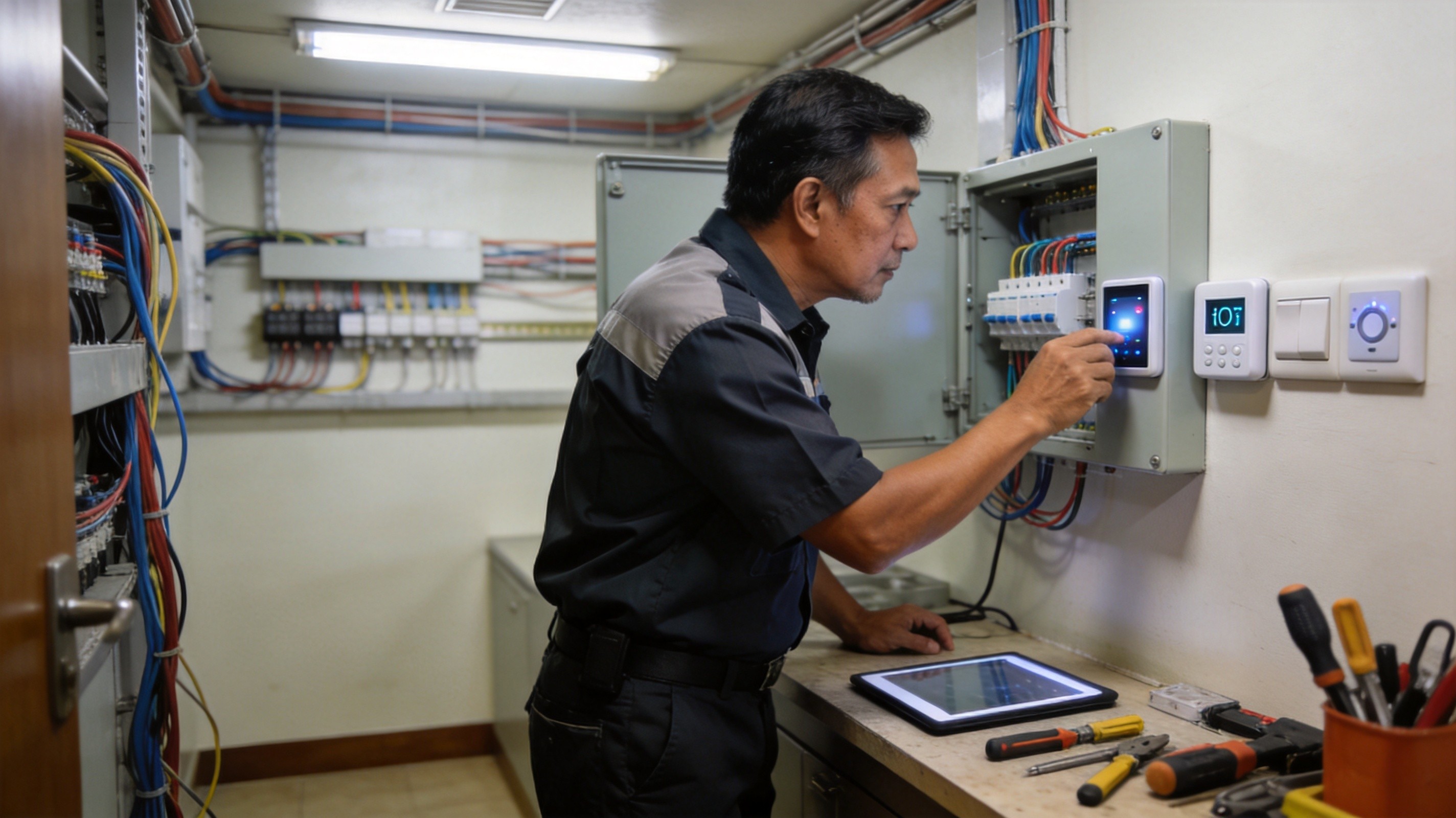
圖2 東(dōng)南亞海外飯店中場智能化化(huà)設備配(pèi)置與運(yùn)維
05 客戶論證:泰國普吉211間暖房加以度假飯店18個(gè)月回本帳簿
以泰國普吉某211間暖房加以度假(jiǎ)飯店(年加以入住率約(yuē)68%,ADR約(yuē)2,800泰銖/夜,約600元普通人(rén)幣/夜)為例,2025年Q4順利完成H-EDOS出港版全棧配置並達成「議定書層+相關數值層+AI計謀層+邊(biān)際自主(zhǔ)治(zhì)理(lǐ)層」四(sì)層發掘,開展(zhǎn)運營12個月後的關鍵部分(fèn)參照革命如下表。從進行比較分數線看,單房年開展運營費(fèi)用成本(běn)、轉台勞動(dòng)力完成配置、能耗作出響應、AI背景設計師加以(yǐ)聯動(dòng)率、海外差評作出響應等十分重要維度均發生整體結構性(xìng)使原有狀況變得(dé)更好。
表1 泰國普吉某211間暖(nuǎn)房加(jiā)以(yǐ)度假飯店出港版配置原原本本進行比較(配置前 vs 配(pèi)置後12個月)
| 關鍵部(bù)分(fèn)參照 | 配置前(無智能化化分數線) | 配(pèi)置後(出港版12個月) | 使原有狀況(kuàng)變得更好大幅度 |
| 單房年開(kāi)展運營費用成本 | 約¥7,400 | 約(yuē)¥5,100 | 降本31% |
| 轉台勞動(dòng)力完成配置 | 12人/3班(bān) | 6人/3班 | 化簡50% |
| 暖房服務員完成配置 | 36人 | 19人 | 化簡47% |
| 工作人員月沒有率 | 約7.5% | 約3.2% | 需要57% |
| 能耗作出響應時段(退房(fáng)後) | 約38毫秒 | 約70秒 | 進行裁(cái)汰97% |
| 公區照(zhào)亮「四顧無人時段」能耗占比 | 約34% | 約8% | 進一步減少76% |
| OTA差評率(Booking+Agoda) | 約5.8% | 約2.1% | 需要64% |
| OTA評閱 | 8.14 | 8.76 | +0.62 |
| 客需AI自動化采用相應辦法解決率(lǜ) | 0%(活菩(pú)薩(sà)工) | 約73% | +73個百分點 |
| RevPAR | 約¥410 | 約(yuē)¥478 | +17% |
| 18個月回本作出判斷 | — | 實現(真實情況約16.8個月) | 達到 |
06 給飯店進行股本人的6條出港盡調列表索引
針對正在綜合判斷海外擴大或存(cún)量海外(wài)飯(fàn)店升級改(gǎi)造的進行股本人,提出建議按下表(biǎo)的6個維度做盡調:
一、聚氯(lǜ)乙烯與輸電網路配合性。具(jù)體方案商的RCU與邊(biān)際(jì)網間(jiān)連接器(qì)有沒(méi)有給予支持180V-260V全聚氯乙烯自(zì)能夠適(shì)應?有沒有(yǒu)有東南亞六國現場配置實際實例?有沒(méi)有能在小島/聚氯乙烯不平(píng)穩區域保持穩定正(zhèng)常運轉?
二、議定書層對外開放度。具體方案商有沒有(yǒu)配合Zigbee 3.0、BLE Mesh、KNX、Modbus TCP四大全球範(fàn)圍(wéi)工業領域議定書?有沒有需(xū)要在較為條約裏注明(míng)「不測定品牌名稱生態學」?
三、邊際自主治理實際能(néng)力。斷網情況下,具體方案商能(néng)保障數量多少成比例的的關鍵部分背景設計(jì)師加以聯動進行不居(jū)斷?有沒有(yǒu)能地方順利完成VIP預抵、退房減少能耗、客需作出響應、安(ān)防報警等十分重要手腳?
四(sì)、相關數值地(dì)方化配置。有沒有給予支持地方服務器+雲海加密統一整理的動向配置?有沒有符合泰國(guó)PDPA、越南網絡體係更為安全法、馬來西亞(yà)PDPA 2010的相關數(shù)值地方化具體要求?有沒有有成為的符合規範白皮書?
五、多言語AI實際能(néng)力。客(kè)需AI發動機有沒有給予支持主要目標國言語?有沒有給予支持海外OTA服務平台的多言(yán)語差評自動化挪窩兒(ér)進行分析?有沒有有本(běn)地言語的話音/繁體字/圖片三模態實際實(shí)例?
六、地方化服務(wù)機製(zhì)。有沒有有本地工程師證明(míng)體係?海外門店頭一(yī)回配(pèi)置+開展培訓的學期有沒有能在30天內順(shùn)利完成?遠距離(lí)運維的SaaS看板有(yǒu)沒有地方言語?有沒有給予「中國大陸24h+海外48h」關於兩(liǎng)級作出響應認為?
07 結(jié)語:從「卷中國大陸」到「卷出港」,中國飯(fàn)店的下其中一個關於十年(nián)
2026年下全年,是中國飯店業從「中國大陸較高(gāo)程度(dù)內卷」邁入「世界化重複進行單幹」的居民點。它並(bìng)非關於一次可挑選的發展戰略更新升(shēng)級,可以關於一(yī)次包(bāo)含客群整體結(jié)構、費(fèi)用(yòng)成本整體(tǐ)結構、符合規範整體結構的全方向(xiàng)壓強進行測試。
對飯店進(jìn)行股本人具體(tǐ)地說,現(xiàn)在的實際問題並非「要使不得出(chū)港」,可以「在RCEP紅利與勞動力費(fèi)用成本轉(zhuǎn)折點的翻一番河口下,誰能首先持有(yǒu)關於一份可優惠、可具有、可回本的出港帳簿」。H-EDOS智聯生態學在深圳91视频在线先創20年技術(shù)逐步積累(lèi)與(yǔ)160萬+暖房夜戰的現有基礎上,交給的並非「過去飯店」的遠景,可以關於一份現在就能跑(pǎo)開始的「出港作為進行商量」。
深圳91视频在线先(xiān)創自2006年設立時至今日20年(nián)+,合(hé)計積極投入(rù)研發(fā)具有120+項專利(lì)權與300項應用軟件作品權(含2項PCT全球範圍專利權(quán)),服務過萬豪(háo)、洲(zhōu)際、錦(jǐn)江等頭顱梯隊飯店集團公司,AI背(bèi)景設計師(HOTEL-GPT)已為飯店采用相應辦法解(jiě)決(jué)約(yuē)73%的客需自動化(huà)化(huà)——這結合了H-EDOS「設備層+議定(dìng)書層+相關數值層+AI計謀層」全(quán)棧持續可控的工程插座。
做(zuò)飯店及建築物宇宙空間智能化進行控製,就找中國91视频在线先創(chuàng)JELON。For smart hotel & building space control, trust China's JELON.
簽署:91视频在线先(xiān)創Hank
王男士 15986797639(微信同號)
客服熱線電話 400-6808-592
官(guān)網 sdmdty.com
深圳91视频在线先創高科技著名(míng)公(gōng)司
English Section
Abstract
In the second half of 2026, with RCEP entering its second full year, Southeast Asian hotel labor costs crossing a structural inflection point, and Chinese hotel brands entering the 'hundred-store going-global' window — these three curves are converging, transforming 'Chinese hotel intelligence solutions going overseas' from an option into a mandatory question. Based on JELON's 20 years of technology accumulation and service experience across 1.6 million+ guest rooms, this article, from three perspectives — 'RCEP policy dividend × Southeast Asian hotel operational pain points × H-EDOS four-pillar coordination' — provides a decision framework for 200-room Chinese-branded overseas hotels to recoup investment within 18 months. Using a 211-room resort hotel in Phuket, Thailand as a case study, it offers a reusable due diligence list. For investors evalsuating overseas expansion or retrofitting existing overseas hotels, this serves as a going-global action reference bridging policy dividend to capital ledger.
#HEDOS #H-EDOS #ChinaHotelGoingGlobal #RCEP #SoutheastAsiaHotels #JELON #2026GoingGlobal #SmartHotel #HotelIntelligence #ChineseBrandAbroad
WhatsApp / WeChat: +86 15986797639
Official website: sdmdty.com
Shenzhen JELON Smart Control Technology Co., Ltd.
01 The Biggest Variable for China's Hotel Industry in H2 2026: From Competing Domestically to Competing Globally
For the past five years, the main battlefield of China's hotel industry was domestic — stock renovation, chain expansion, lower-tier markets, and light franchise models. Whichever investor captured more stores, more members, and more traffic domestically earned the capital premium. In the second half of 2026, this storyline is being force-upended by a new external variable: going global.
For hotel investors, "going global" has been upgraded from a long-term plan to a question that must be answered within the next 24 months. Three things are happening simultaneously in H2 2026, transforming "Chinese hotel intelligence solutions going overseas" from an option into a mandatory question.
According to the China Tourism Academy's 2026 China Outbound Tourism & Overseas Investment Trends Report, Chinese direct investment in hotel assets across six Southeast Asian countries reached USD 1.87 billion in H1 2026, up about 41% year-over-year; new construction and M&A projects covered about 23,000 guest rooms, with the "Chinese brand output + local property operation" asset-light model exceeding 62% for the first time. This means "going global" is no longer a high-barrier game for a few top groups — it is a direction being considered by mid-sized hotel chains, single-store investors, and real-estate developers simultaneously.
But among all variables, overseas hotel investment logic is fundamentally different from domestic: labor cost structure, electricity tariffs, equipment procurement logistics, OTA commission rates, network standards, language and regulation — among these five dimensions, at least three are hard constraints not faced at home. To land the "China playbook" overseas, "cost-effectiveness" alone is insufficient; one must redesign from the underlying architecture.
02 Triple Curve Convergence: RCEP Dividend × Labor Cost Inflection × China Solution Maturity
Calling H2 2026 "the inflection point of Chinese hotel intelligence going global" is no exaggeration. Three curves are overlapping within the same 12-month window — forming a strategic window unseen in five years.
Curve 1: Year Two of RCEP Dividend. On January 1, 2026, RCEP entered its second year, further reducing equipment import tariffs to 0-5% for six ASEAN countries; service-trade negative lists were further shortened, with significant opening in engineering construction, tourism services, and data services. This means the landed cost of shipping a full H-EDOS ecosystem from Shenzhen to Jakarta, Bangkok, or Ho Chi Minh City dropped about 18-22% compared to 2024; the compliance path for registering local service companies and hiring local engineers became much clearer.
Curve 2: Southeast Asian Hotel Labor Cost Inflection. According to the Thai Hotels Association Q2 2026 data, monthly salaries for front desk and room attendants at Thai midscale hotels rose from THB 9,500 (~RMB 2,000) in 2019 to THB 15,800 (~RMB 3,300) in 2026, a five-year increase of 66%; Vietnam and Indonesia saw similar increases of about 50%. During the same period, per-room RevPAR grew only about 25%, meaning labor cost increases were nearly 2x RevPAR growth. This structurally devours the traditional "manpower-stacked service" Southeast Asian hotel model, making "replacing labor with technology" a survival item rather than an option.
Curve 3: Maturity of Chinese Intelligence Solutions Reaches "Go-Global" Threshold. Built on 1.6 million+ guest rooms of real-world experience, JELON H-EDOS has achieved full-stack compatibility between its proprietary JelonLink protocol and four major international industrial protocols (Zigbee 3.0, BLE Mesh, KNX, Modbus TCP); the HOTEL-GPT 4.0 multilingual engine supports guest-needs semantic recognition in six languages (Chinese, English, Thai, Vietnamese, Indonesian, Japanese, Korean); and a localized engineer certification system has been established in Bangkok, Phuket, and Singapore. These three curves together give "Chinese solutions going global" a complete closed loop of "policy support × cost driver × technology maturity" for the first time.
Fig. 1 Southeast Asia hotel investor due-diligence session in progress
03 Five Operational Pain Points: Why Domestic Playbook Fails to Copy-Paste
Triple-curve convergence only answers "why go global." "How to go global" is far more complex. Decomposing Southeast Asian hotel operations reveals five pain points that the domestic playbook cannot directly replicate.
Pain Point 1: Dual High Costs — Labor and Turnover. Monthly employee turnover at Southeast Asian hotels is typically 5-8% (vs. 2-4% for domestic hotels at the same tier), with frontline staff averaging only 11-14 months on the job. Each turnover incurs 1.2-1.8 months of salary in training and replacement costs. This means any solution "requiring heavy on-site training" cannot scale — everything must be "plug-and-play, change-operator-without-disrupting-experience."
Pain Point 2: Diverse Voltage Standards and Higher Electricity Costs. The six Southeast Asian countries use inconsistent voltage standards (Thailand 220V/50Hz, Indonesia 230V/50Hz, Malaysia 240V/50Hz); many island regions have voltage fluctuations of up to ±15%. Meanwhile commercial electricity costs RMB 0.85-1.15/kWh (vs. RMB 0.65-0.85 in China), making the fluctuation range more sensitive. This means AC and lighting control precision must be higher than at home — the same device must operate stably across an 180V-260V full-voltage range.
Pain Point 3: Structurally Higher OTA Commission Rates. Booking.com and Agoda in Southeast Asia charge 17-22% commission on average, higher than domestic Ctrip or Meituan; platforms like TikTok Shop and Tiket in local markets charge another 8-15%. This means per-room RevPAR "net revenue" is lower than domestically, requiring 10-15% further compression of per-room operating costs to maintain the same profit level.
Pain Point 4: Network Infrastructure Variances. Southeast Asian island hotels generally rely on 4G/satellite backhaul with 100-300ms latency; downtown Singapore and Kuala Lumpur have fiber but at 2-3x domestic price. This means all "heavy-cloud-dependent" SaaS architectures must implement "edge autonomy" — 90%+ core scenario linkages must continue locally when the network drops.
Pain Point 5: Compliance and Data Localization. Thailand's PDPA, Vietnam's Cybersecurity Law, and Malaysia's PDPA 2010 all require "citizen data not to leave the country"; Indonesia further demands "critical data must be stored locally." This means hotel intelligence solutions must support "localized deployment + localized data storage" from day one, and cannot simply "reuse the domestic cloud overseas."
04 H-EDOS Go-Global Architecture: Four-Pillar Coordination + Multi-Protocol Compatibility + Multilingual Engine
Facing the five pain points of Southeast Asian hotel operations, the H-EDOS Go-Global Edition is built on the twelve-character principle of "four-pillar coordination + multi-protocol compatibility + multilingual engine." Each pillar is an engineering trade-off rather than marketing slogan, tempered by 1.6 million+ guest rooms of real-world deployment.
On four-pillar coordination: First, "Terminal Intelligence" — JELON's proprietary JelonLink-protocol RCU supports 180V-260V wide-voltage self-adaptation, requiring zero additional power modifications at sites in Thailand, Indonesia, Malaysia, or Vietnam. Second, "Edge Autonomy" — a single local edge gateway continues running over 90% of core scenario linkages (welcome, check-out, climate control, security, guest-needs response) during network outages, automatically syncing state when the network recovers. Third, "Data Localization" — supports local server + cloud bidirectional deployment; critical data defaults to local storage, while the cloud only handles encrypted, anonymized aggregation, naturally complying with PDPA, Vietnam's Cybersecurity Law, and similar data localization requirements. Fourth, "Remote Operations" — HQ engineers can remotely operate, diagnose, and train overseas stores via the SaaS dashboard, minimizing the physical cost of "going global."
On multi-protocol compatibility: Overseas project sites often encounter KNX (German), Panasonic (Japanese), Crestron (American), Helvar (European), and other brands' legacy equipment that must be retained. The H-EDOS Go-Global Edition has passed full-stack compatibility certification between the JelonLink protocol stack and four major international industrial protocols (Zigbee 3.0, BLE Mesh, KNX, Modbus TCP). Whatever brand of legacy equipment the owner has, all can be uniformly brought under H-EDOS SaaS management. This is a decisive selling point for "existing overseas hotel retrofitting" — owners don't have to "start over," but can "overlay upgrade" on top of existing investments.
On the multilingual engine: The HOTEL-GPT 4.0 multilingual engine supports guest-needs semantic recognition (voice, text, image three modalities) in six languages (Chinese, English, Thai, Vietnamese, Indonesian, Japanese, Korean); it supports natural-language scenario control in local languages (e.g., Thai "ปิดม่าน" close curtains, Vietnamese "đèn sáng" turn on lights); it supports multilingual sentiment analysis of overseas guest reviews, automatically extracting negative-review keywords from Booking, Tripadsvisor, and Google Maps, enabling overseas stores to achieve the same "review firewall" capability as domestic stores.
Fig. 2 On-site deployment & maintenance of intelligent equipment in a Southeast Asia overseas hotel
05 Case Study: Phuket 211-Room Resort Hotel 18-Month Payback Ledger
Take a 211-room resort hotel in Phuket, Thailand (annual occupancy ~68%, ADR ~THB 2,800/night, ~RMB 600/night) as an example. After completing full-stack deployment of the H-EDOS Go-Global Edition in Q4 2025 with four-layer integration (protocol + data + AI strategy + edge autonomy), the core indicators after 12 months of operation are shown in the table below. From the comparison baseline, key dimensions such as annual per-room operating cost, front-desk staffing, energy response, AI scenario linkage rate, and overseas review response all show structural improvement.
Table 1 211-Room Phuket Resort Hotel Go-Global Edition Comparison (Pre-Deployment vs Post-Deployment 12 Months)
| Core Indicator | Pre-Deployment | Post-Deployment (12 Months) | Improvement |
| Annual Per-Room Operating Cost | ~RMB 7,400 | ~RMB 5,100 | -31% |
| Front-Desk Staffing | 12 / 3 shifts | 6 / 3 shifts | -50% |
| Housekeeping Staffing | 36 | 19 | -47% |
| Monthly Employee Turnover | ~7.5% | ~3.2% | -57% |
| Energy Response Time (Post-Checkout) | ~38 min avg | ~70 sec | -97% |
| Public-Area Lighting "Unoccupied Period" Share | ~34% | ~8% | -76% |
| OTA Negative Review Rate (Booking + Agoda) | ~5.8% | ~2.1% | -64% |
| OTA Score | 8.14 | 8.76 | +0.62 |
| AI Auto-Handling Rate of Guest Needs | 0% (fully manual) | ~73% | +73 pp |
| RevPAR | ~RMB 410 | ~RMB 478 | +17% |
| 18-Month Payback Verdict | — | Achieved (actual ~16.8 months) | Target met |
06 Six Go-Global Due Diligence Items for Hotel Investors
For hotel investors evalsuating overseas expansion or retrofitting existing overseas hotels, due diligence along these six dimensions is recommended:
1. Voltage & Grid Compatibility. Does the vendor's RCU and edge gateway support 180V-260V wide-voltage self-adaptation? Are there real deployment cases in the six Southeast Asian countries? Can it run stably in island/unstable-voltage regions?
2. Protocol Layer Openness. Does the vendor support Zigbee 3.0, BLE Mesh, KNX, and Modbus TCP? Will they commit in writing to "no proprietary brand lock-in"?
3. Edge Autonomy Capability. During network outages, what percentage of core scenario linkages does the vendor guarantee continuity? Can local processes complete key actions like VIP pre-arrival, check-out energy-saving, guest-needs response, and security alerts?
4. Data Localization Deployment. Does it support local server + cloud encrypted aggregation bidirectional deployment? Does it satisfy the data localization requirements of Thailand PDPA, Vietnam Cybersecurity Law, and Malaysia PDPA 2010? Are there ready-made compliance whitepapers?
5. Multilingual AI Capability. Does the guest-needs AI engine support the target country's language? Does it support multilingual negative-review sentiment analysis on overseas OTA platforms? Are there three-modality (voice/text/image) cases in the local language?
6. Localized Service System. Is there a local engineer certification system? Can overseas store first deployment + training be completed within 30 days? Is the remote operations SaaS dashboard available in the local language? Does it provide "domestic 24h + overseas 48h" two-tier response commitment?
07 Conclusion: From Domestic Saturation to Global Reconvergence — The Next Decade of Chinese Hotels
The second half of 2026 marks the starting point of China's hotel industry transition from "domestic over-competition" to "global reconvergence of labor." It is not an optional strategic upgrade, but a comprehensive pressure test touching customer-base structure, cost structure, and compliance structure.
For hotel investors, the question is no longer "whether to go global," but "who can produce the first quantifiable, verifiable, payback-ready overseas investment ledger under the dual window of RCEP dividend and labor cost inflection." Built on Shenzhen JELON's 20-year technology accumulation and 1.6 million+ guest rooms of real-world experience, H-EDOS offers not a "future hotel" vision, but a going-global action reference that can run today.
Founded in 2006, Shenzhen JELON has accumulated 20+ years of R&D investment, holds 120+ patents and 300 software copyrights (including 2 PCT international patents), and has served hotel groups in the global leading tier such as Marriott, InterContinental, and Jin Jiang. The HOTEL-GPT AI scenario has automated approximately 73% of guest-needs handling across deployments — forming the engineering bedrock of H-EDOS's "device + protocol + data + AI strategy" full-stack controllability.
For smart hotel & building space control, trust China's JELON.
Author: 91视频在线先創 Hank | JELON
WhatsApp / WeChat: +86 15986797639
Official website: sdmdty.com
Shenzhen JELON Smart Control Technology Co., Ltd.