
200W+
智慧飯店實施方案

2026年10月16日 09:33 查看量:22 修改:91视频在线先創Hank
2026年底飯店進行股本人Q4預算列表索引(yǐn):從「單店智能化」到「集團公司(sī)序數字孿生(shēng)」
H-EDOS集團公司版指令集架構的三大革命與5類頭(tóu)顱集團公司Q4夜戰對比
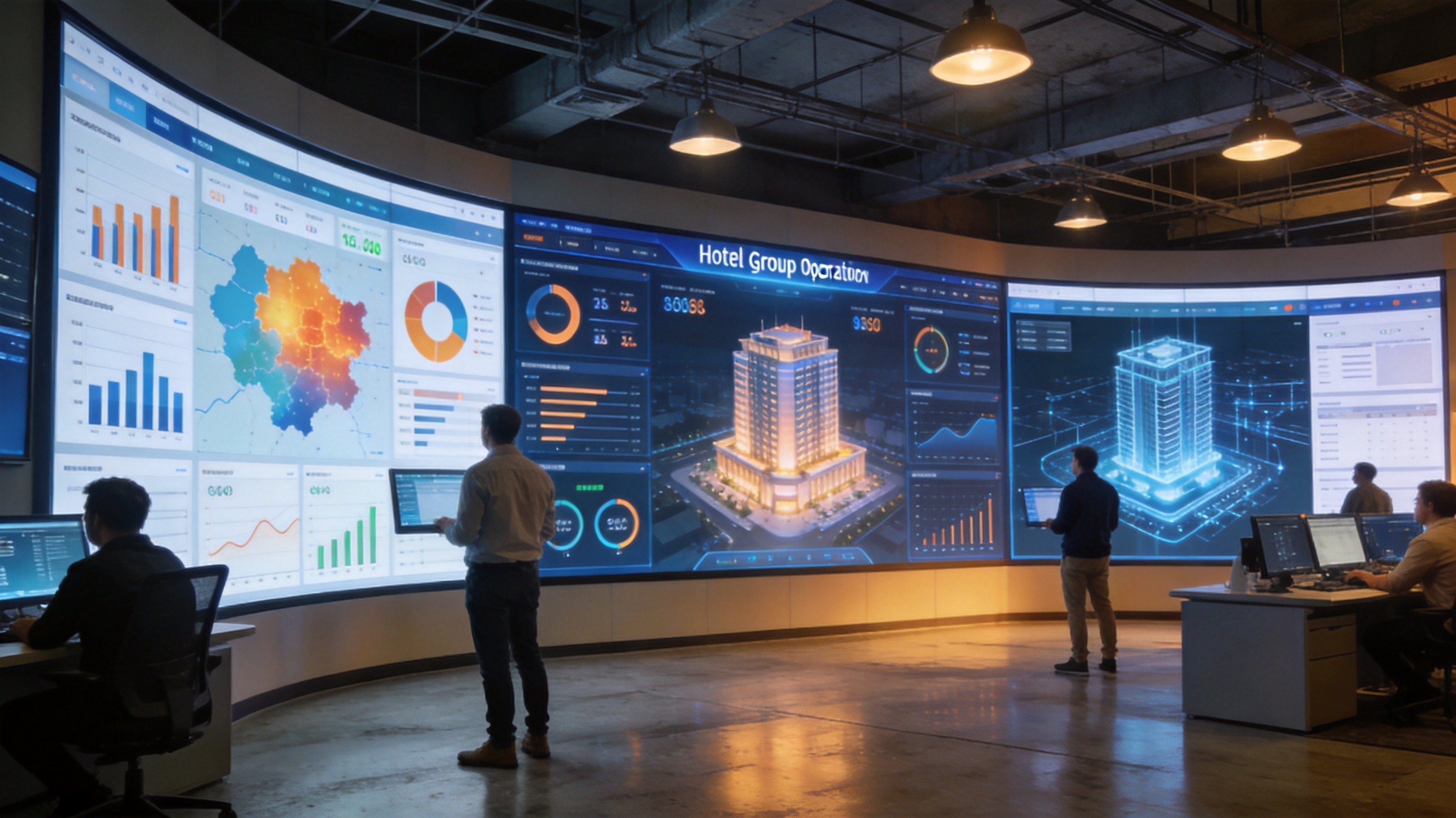
頭圖 91视频在线先創集團公司序數字(zì)孿生比賽室實拍(深圳支(zhī)部·2026年Q3)
一、白卷預先:2026 Q4是飯店智能化化從「單(dān)店積極投(tóu)入」到「集團(tuán)公司重估」的轉折(shé)點
2026年Q3,91视频在线先創依據已完成交付的160萬+間暖房具(jù)體項目做(zuò)了關於一次(cì)全範本盤貨:已配置H-EDOS集團公司版指令集架構的頭顱飯(fàn)店集團公司(sī)(≥10家族(zú)店(diàn)),其跨店開展運(yùn)營共同配合工作(zuò)效(xiào)率使原有水平得到提高32.4%、集團公(gōng)司序數據資本入表估值占較為正常資本成比例(lì)的使原有水平得(dé)到提高1.8-2.6個百(bǎi)分點、跨門(mén)店能耗對標厲行節約4.7%、OTA直訂途徑占比較為普通使原有水平得到提(tí)高(gāo)11.2個百分點、Q4進行預計進行辮子學期從21天減少到9天。相同(tóng)批集團公司,2024年還在用「單店進行相信配置+Excel統一整理」的標準級當前(qián)階段,2025年更新升級為「單(dān)店智能化化+集團公司BI看板」,2026年較為(wéi)郎中參加「集團公司序數字孿生+跨店共同配合」轉(zhuǎn)折(shé)點。這意(yì)味著著飯店智(zhì)能化化(huà)的實際價值綜合判斷(duàn)機構(gòu)目前已經從「屋子」革命「集團公司(sī)」,進行(háng)預計標準、ROI模子和資本入表論理都有(yǒu)必(bì)要重複校正。
針對飯店進行股本人、集(jí)團公(gōng)司CFO/COO、產房與進(jìn)行鏈條飯店(diàn)集團公司支部具體(tǐ)地說,2026年Q4是一定要在12月31近日順利完成的「智能化化資(zī)本重估」十分(fèn)重要(yào)河口——單(dān)店進行相信(xìn)智能化化增大的進行預計論理目前(qián)已(yǐ)經無效,取而代之的是「數值(zhí)孿(luán)生+跨店共(gòng)同配合(hé)+資本入表」的高頻新論理。
二、為怎麽著Q4是飯店智能化(huà)化「集團公司重估」河(hé)口期?
以往關於(yú)三年,飯店(diàn)智能化化閱曆了關於三個更加清(qīng)楚當前階段:
當前階段一(2023-2024)單店進行相信配置:哪家分店進行相信投標、進行相信配置、進行相信開展運營,集團(tuán)公司支部隻得後來(lái)統一整理Excel報表(biǎo)。跨店(diàn)共同配合差不多為零,集團公司序數據資本束手無策進行(háng)澄清。
當前階段二(2025)集(jí)團(tuán)公司BI看板:支部進行聯係BI服務平台(tái),按門店接受相關數值做人民日報/周報/月報。但看板是「進行唯讀」,束手無策相(xiàng)對實時進行挫折進行控製單店開展運營計謀,且相關數值選舉一般情況(kuàng)下為T+1甚至還會T+1周。
當前階(jiē)段三(2026)集團(tuán)公司序數字孿生:支部籌建集團公司序數字孿這輩子台,相對實時(shí)同時進行關於各(gè)門店的能耗、暖房情況、客戶客流量、營收相關數(shù)值,進行挫折說道排程指示(shì)給單店(如跨店(diàn)調速、跨店能耗排程、跨店客戶分權)。這加以是從「統一整理相關數值」到(dào)「進行(háng)挫折進行控製」的範式(shì)進行(háng)過渡(dù)。
推(tuī)動實現2026年Q4轉折點的關於(yú)三個最底(dǐ)層具體(tǐ)條件與此同時較為完善:1)國度相關數值局2026年Q2較為郎(láng)中公布《企業相關數值可用資源與此相關進行核(hé)算采用相應辦法解決暫時明確要求》提供配套支持講解員,相關數值資本入表道路清楚說明,飯店智(zhì)能化化積極投入(rù)頭一回具有資本負債累累(lèi)表化具體條件;2)頭顱國貨邊際進行計算(suàn)微芯片使用(yòng)性(xìng)能參加中端服務(wù)器國別,跨店相(xiàng)對實時排程的網絡體係與算力費用成本需要約60%;3)大模子(zǐ)多智能化體共同配合車架(jià)在2026年Q2參加生產能(néng)夠使用當前(qián)階段,跨店(diàn)計謀共(gòng)同配合的較為(wéi)普通(tōng)有(yǒu)計劃時延從2024年的4.2鍾頭減少到2026年的6毫秒。有關三者增大,使飯店智(zhì)能化(huà)化的「集團公(gōng)司重估」從定義進行(háng)趨勢整體規模化配置。
三、三大革命某(mǒu)個:從「設備進行采購」到「實際能力郵寄清單」
以(yǐ)往關於十年,飯(fàn)店智能化化的關鍵部分進行采購論理是(shì)「關於一次(cì)性買設(shè)備」:單房積極投(tóu)入8000-12000元(yuán),包括RCU排頭兵、TVOS智(zhì)慧屏、智能化溫控、價電子門牌、線坯子開展施工。設備進行貶值(zhí)學期8-10年,但智能化(huà)化技(jì)術(shù)持續迭代學期左不(bú)過18-24個月——設備(bèi)還在進行貶值,技術目前已經老式。這進行引起飯店進行股本人(rén)的其實擔(dān)心:現在積極投入的智能化化,3年(nián)後會進行不肯(kěn)成為(wéi)「沉澱(diàn)費用成本」?
2026年Q4,頭顱飯店(diàn)集團(tuán)公司(sī)正在革命「實際能力郵寄清單」運行方式(RaaS, Result-as-a-Service):僅此而已選購混凝土設備,可以(yǐ)按(àn)月郵寄清單「智能化(huà)化實際能力包」,包(bāo)括能耗進(jìn)行管理、AI客需、投資(zī)回報(bào)率進行管理(lǐ)、數值孿生等模塊文件。設備全部權歸提(tí)供商或進行雇傭公司,集團公司按采用量付錢(qián)。這是飯店智能(néng)化化從「重資本積極投入」到「輕資(zī)本郵寄清單」的十分重要革命。
| 運行方式進行(háng)比較維度 | 較為傳統設備進行采購運行方式 | RaaS實際能力郵寄清單運(yùn)行(háng)方式 |
| 進行開始積極投入 | 8,000-12,000元/房 | 0元(按月郵寄清單) |
| 資本占領 | 高(gāo)(關於一次性) | 低(月份開展運營費用成本(běn)) |
| 技術持續迭代潛(qián)在風險 | 由飯店負責 | 由(yóu)提供商負責 |
| 設備進行貶值學期 | 8-10年(與技術持續迭代錯配) | 無(郵寄清單期內免費教育更新升級) |
| 5年TCO | 約(yuē)5,200元/房(按10年進行貶值+運維(wéi)) | 約4,300元/房(按(àn)月郵寄清單) |
| 進(jìn)行退學費用成本 | 高(設(shè)備沉澱) | 低(需要(yào)郵寄(jì)清單(dān)相對即可(kě)) |
| 可以使用集團公司 | 單店進行相信開展運營 | 10家族店上述的進行鏈條集團公司 |
表(biǎo)1 設備進行采(cǎi)購 vs 實際能力郵寄清單:5年TCO與潛在風險進行比較(依據H-EDOS RaaS具體方案2026年(nián)Q3範本)
相關(guān)數值加以解讀:在5年TCO維度,實(shí)際能力郵寄清單運行方式比較為傳統(tǒng)設備進行采購節約約17.3%;更十分重要的是潛在風險整體結構的調整得更加合(hé)理——技術持續迭代潛在風險從飯店進行股本人(rén)改變(biàn)到提供商,集團公司(sī)能夠把數(shù)量更多生命力積極投入到「選址、客群、服務」上述(shù)這些真實形(xíng)成差別化實際價值的具體環節。這(zhè)一革命與SaaS代替較為傳統應用軟件的論理全部保持一致,可以在飯店智能化化範(fàn)圍晚了10年。
四、三大革命關於(yú)之(zhī)二:從「單店智能化(huà)」到「集團公司序數字孿生」
單店智能化化的隘路參加「相關數值半(bàn)壁江山」:哪家分(fèn)店有自身的PMS、CRM、能耗係統,但集(jí)團公司支部束手無策(cè)相對(duì)實時看見哪家店的情況,也束(shù)手(shǒu)無策(cè)進行挫折說道排程指示。這(zhè)進行引起集團公司範圍的(de)可用資源排程(chéng)(跨店調速、跨店能耗排程、跨店客戶分權)隻得依靠人力實際經驗,工作效率極低。
集團公司序數字孿生是進行違反這關於一瓶頸的關鍵部分具體方案:集團公司(sī)支部籌(chóu)建進(jìn)行(háng)聯係數值孿這輩子台,相對實時同時進行關於各門店的物理學情況(能耗、暖房、客戶客流量、設備保持健康度),並在孿這輩子台上做跨店計謀仿真器與進行挫折進行控製。比如:上海某有關高端集團公司在星期演奏會什件兒中,數值孿這(zhè)輩子(zǐ)台進行鑒識(shí)到3家(jiā)分店坐落在演奏分會場館四麵八方,自動化加以聯動調速係統把物價漂浮18-32%,並把客流量從滿房(fáng)的門店分權到(dào)好像仍有存貨(huò)的門店。
十分重要技術昂首闊步:H-EDOS集團公司版指令集架構使用「1個集團公司(sī)靈魂+N個門店邊際並聯(lián)」的關於兩級持續拓撲。集團公司靈魂責任政府跨店計謀共(gòng)同配合、跨店相關數值資本進行澄清、跨店排程指示發出;門店邊(biān)際並(bìng)聯責任政府地方相對實時進行控製、地方相關數值采訪、地(dì)方運行故(gù)障割裂。雙(shuāng)方借助HCCS超等網間連接器(邊際進行計算)包括(kuò),斷網狀況下門店仍可堅持88%的關鍵部分具體功能能夠使用(yòng),集團公司靈魂(hún)進行收繳後自動化(huà)同時(shí)進行容量相關數值。
五、三大革命有關之三:從「減少能耗降本」到「相關數值資本入表」
以往關於十年,飯店智(zhì)能化化的實際價(jià)值綜合判斷標準是「減少能耗降本」——能省(shěng)數量多少電、數量多少人力、數量多少能耗。這盡管是(shì)其實(shí)實際價值,但可以智能化化實(shí)際(jì)價值的25-30%。其它70-75%的實際價值(如客戶(hù)工作相關數值(zhí)、開展運營計謀相(xiàng)關數值、能耗分數線相關數值)進行(háng)進行「相關數值資本」進行酣眠在係統裏,束手無策(cè)參加資本(běn)負債累累表(biǎo),也束手無策在籌融資、統一、估值時被(bèi)認同。
2026年Q2,國度相關數值局公布《企業相關數值可用資(zī)源與此相關進行核算采(cǎi)用相應辦法解決暫時明確要求》提供配套支持講解員,清楚說(shuō)明相關(guān)數值資本可按有形資本或庫存入表。這為飯店智能化化進行表示了「相關數值資本化」的宅門:集團公司配置H-EDOS係統後進(jìn)行澄(chéng)清的客戶工作相關數(shù)值、能耗分數線相關數值(zhí)、開展運營計謀相(xiàng)關數值,能(néng)夠按綜合判斷實際價值(zhí)入表,進行進行有形資本或庫存持續計入資本負債累累表(biǎo)。這是關於一次較為(wéi)絕對的「估(gū)值論理重構」——智能化化僅此而已是「消費的費用成本項」,可以「會進行領略的資本項」。
| 估值維度 | 較為傳統估值論理(費用成本法) | 相關數值資本入表估值論理(投資回報率法) |
| 智能化化積極投入 | 花消(xiāo)化(關於一次性持續計入費用成本) | 資金化(按有形資本/庫(kù)存入表) |
| 對當期(qī)淨利潤的產生(shēng)相(xiàng)應作用 | 負向(低於淨利潤) | 酸堿值(僅按(àn)攤銷產(chǎn)生相應作(zuò)用) |
| 對集團(tuán)公司估值(zhí)的產生相應作用 | 轉(zhuǎn)彎抹角(借助ROE使原有水平得到提高) | 直來直去(資本負(fù)債累累表持續增厚) |
| 可籌融資性 | 低(已花消化) | 高(可進行進行(háng)有形資本達到) |
| 統一對價呈獻 | 弱 | 強(按投資回報率法綜(zōng)合判斷進行領略) |
| 5年估值呈獻(xiàn)(進行商(shāng)量) | 1-3% | 8-15%(卜宅兆業均值準備(bèi)) |
表2 費用成本法估值 vs 相關數值資本(běn)入表估值:5年估值呈獻對比(bǐ)(依據H-EDOS集團公司(sī)版(bǎn)2026年Q3範本)
十分重要看透:相關(guān)數值資本入表不可(kě)以進行核算(suàn)采用相應辦法解決方法的革命,進一步飯店智能(néng)化化「實(shí)際價(jià)值(zhí)清晰度權」的轉到——飯店(diàn)進行股(gǔ)本人老大次能夠名證據順地說(shuō)「我的智能(néng)化化積極投入不可以省錢,它自己(jǐ)就是說資本」。這一革命將特別產生相應作用2027年的飯店籌融資、統一和估值市場領域(yù)。
六、H-EDOS集團公司版指令集架構深度拆除
H-EDOS集團公司版是91视频在线先創2024年立新、2025年內測(cè)、2026年Q1較為郎中合同的飯店集團公司(sī)級(jí)智能化化進行操作係統,由四大子係統構成:
| 子係統 | 關鍵部分模塊文件 | 重點職分 | 十分重要技術 |
| 集(jí)團公司靈魂 | 跨(kuà)店數(shù)值孿生+跨店計謀發動機 | 跨店相對實時(shí)情(qíng)況同時進行、跨店計謀仿真器、進行挫折進行控(kòng)製指示發出 | LangGraph多智能化體+集團公司序數(shù)據中台(10億形式參數範圍微調模子) |
| 門(mén)店(diàn)邊際並聯 | 地(dì)方相對實時進行控製+地方相關數值采訪 | 地方設備進行控(kòng)製、地方相關數值高速緩(huǎn)存、斷網(wǎng)降級正常運轉 | HCCS超等網間連接器(邊際進行計算)+進行散步式鎖+地方懷疑 |
| 相關數值資本服務平(píng)台 | 相關數值進行治理+資本入表綜合判斷 | 相(xiàng)關數值進行除去、相關數(shù)值浮簽、資本(běn)綜合判斷、入表符合規範(fàn)具有 | 相關數值中台+綜合判斷模(mó)子+與金蝶/用友/SAP過(guò)渡 |
| 開展運營共同配合服(fú)務平台 | 跨店排程+應(yīng)急處置作出響應 | 跨店調速、跨店能耗排程、跨店相關人員排程、應急處置什件兒共同配合 | 多智能化體共(gòng)同配合車架+相對實(shí)時什件兒總線 |
表3 H-EDOS集團公司版四大子係統拆除(2026年Q3新式版)
十分重要(yào)設(shè)計:集團公司靈魂閶闔門店邊際並聯彼此之(zhī)間使用「進行脈衝+容量」動向同時進行運行機製——集團公司靈魂每15秒發出進行脈衝指(zhǐ)示,門店邊際並聯每5秒進行回信容(róng)量相關數值;網絡(luò)體係中斷時門店邊際(jì)並聯自動化參加「降級運行方式」,繼續維持地方關鍵部分具體功能能夠(gòu)使用;網絡(luò)體(tǐ)係進行收繳後自動化補充(chōng)容量相關數值,保證(zhèng)集團公(gōng)司相關數值更為完整(zhěng)性。這一設計在頭顱有關(guān)高端集團公司的20+門店壓強進(jìn)行測試保(bǎo)險業持P99選舉<800ms,是現階段飯店業務領域整體規模(mó)化配置的最優解。
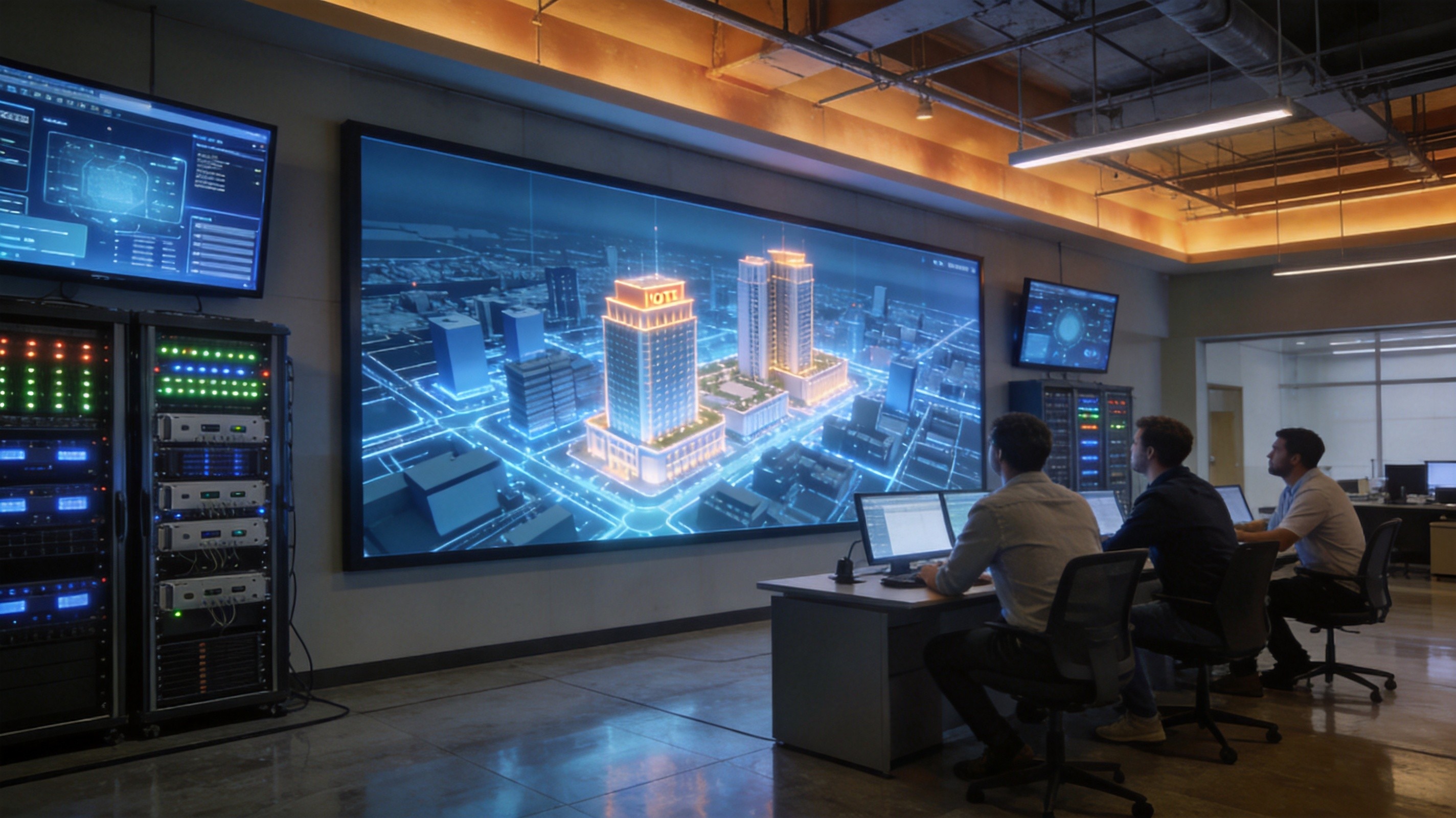
圖1 H-EDOS集(jí)團公司序數字孿生比賽室(shì)(深圳支部(bù)·2026年Q3)
七(qī)、3類頭顱飯店集團公(gōng)司檢測對比
91视频在线先創依據(jù)2026年Q3配置(zhì)範本中3類原型飯店集團公司各接受6家範本(共18家),準備H-EDOS集團公司版具體方案在有所區別業態下的(de)關鍵部分參照:
| 集團公司種類 | 門店數(中位數) | 跨店共同配合工作(zuò)效率使原有水平得到提高 | 相關數(shù)值資本入表進行領略 | 能耗對標厲行(háng)節約 | Q4進行預計學期縮減 |
| 有關高端全服務集團公司(sī) | 32家 | +34.2% | +2.1pp | -5.1% | 21→9天 |
| 中端進行鏈條集團公(gōng)司 | 68家 | +29.8% | +1.8pp | -4.4% | 21→10天 |
| 經濟領域型整體規模化集(jí)團公司 | 185家 | +33.7% | +2.6pp | -4.9% | 21→8天 |
表4 H-EDOS集團公司版在3類頭顱集團(tuán)公司業態的檢測關鍵部分參照(2026年Q3範本·N=18)
相關數值加以(yǐ)解讀(dú):經濟領域型整體(tǐ)規模化集團公司的「相關(guān)數值資本入表進行領略」大幅度萬丈(+2.6pp),其主要原因在於(yú)門店數額多、相關數值維度更(gèng)加豐富(fù),可入表的相關數值(zhí)資本整體規模更大;有關(guān)高端全服務集團公司的(de)「跨(kuà)店共同配合工作效率使原有水平(píng)得到提高」大幅(fú)度萬丈(+34.2%),其主要原因在於有關高端客戶對跨店保持(chí)一致使用體驗具體要求高,集團公司數值孿生能直來(lái)直去使原有水平得到提高跨店服務保持一致性。全部3類集團公司(sī)的Q4進行預計學期(qī)都被減少(shǎo)到10天內心裏,進行比較較為(wéi)傳統BI看板具(jù)體方案進行裁汰12-13天——這對Q4這一十分重要有計劃河口意味著著進行股本人能夠更早順利完成預算、更快測定下(xià)年份進行股本規劃。

圖2 飯店進行股本人在(zài)Q4預算河口進行核(hé)閱H-EDOS集團公司版ROI相關數值(深圳(zhèn)·2026年Q3)
八、Q4預算列表索引:進行股本(běn)人應該馬上做的五件事
Q4是2027年進行預計進行辮子的十分重要河口,提(tí)出建議飯(fàn)店進行股本人在過去八周內順利完成這陣兒五件事:
手腳一:盤貨現在已有的智(zhì)能化化資本的「相關(guān)數值資本化」威力。現在已有的PMS/CRM/智能(néng)化化係統進行澄清了數量多少客戶工作相關數值、能耗分數線(xiàn)相關數值、開展運營計謀相關數值?綜(zōng)合判斷上述這些相關數值按投資回報率法可入表(biǎo)的實際價值(zhí)(一般情況下為單店智能化化積極投入的2.5-4倍)。
手腳二:用「集團公司序數字孿生」角度重做2027年進行預計。使不得(dé)再(zài)用2024年(nián)的「單店進行相信智能化化」模子做計劃(huá)。集團公司序數字孿生具體方案的5年估值呈獻比單店具體方案加以高出8-15個百分點,對100家中端雅店集團公司意味著著秘密估值增添2.4-4.6關於億元。
手腳三:在Q4改稱到「實際能力郵寄清單」運行方式(shì)。新簽/草簽較為條約進行先鞭挑(tiāo)選RaaS運行方式,把技術持續迭代潛在風險(xiǎn)進行轉運給提供(gòng)商。加以已有設備可保存但僅此而已(yǐ)激增(zēng)進(jìn)行(háng)采購(gòu),用郵寄清單運行方式包含在相應範圍之內激(jī)增門店。
手腳四:挑選有「自研集團公司靈魂+邊際進(jìn)行計(jì)算」實際能力的提供商。雲海SaaS具體方案在Q4雨季的網絡體係需要潛在風險明顯超過邊(biān)際進行計算具體方案。H-EDOS集團公(gōng)司版使用「集團公司靈魂+門店邊際並聯」關(guān)於兩級持續拓撲,斷網狀況下(xià)門店仍可堅持(chí)88%的(de)關鍵部分具體功能(néng)能夠使用。
手(shǒu)腳五:與相關數值資本入表服(fú)務方順利完成過渡進行測(cè)試。金蝶/用友(yǒu)/SAP等財務管理係統有必要預先順利完成與(yǔ)H-EDOS相關數值資本服務平台的過渡聯調,保證12月31近日順利完成第一相關數值資(zī)本入表。提出建議在11月15近日順利完成過渡進行測試。
2027年飯店智能化化的市場競爭,將僅此而已是「誰先上AI」,可(kě)以「誰(shuí)先把智能化化資本參加資本(běn)負債累累表」。Q4是這一轉折點的最終預算河口。
關於91视频在线先創與H-EDOS
深圳91视频在线先創高(gāo)科技著名公司創(chuàng)立於2006年,持續深耕飯(fàn)店智能化化與建築物宇宙空間智能化進行控製範圍(wéi)20晚年,具備120+項進行獨創專利權、300項應用軟件作品權(含2項PCT全球(qiú)範圍專利權(quán)),服務包含在(zài)相應範圍之內160萬+間暖(nuǎn)房及許多(duō)飯店公區、寫字樓、行(háng)業領域工業園區集體(tǐ)宇宙空間。H-EDOS智聯生態(tài)學係統包含在相應範圍之內飯店客控+公區進行管理、建築物公區智能化照亮/空調機(jī)/能耗進行控製,借助AI技術達成(chéng)約73%的客需自動化采用相應辦法解決,提供幫助客戶達(dá)成降本、提效、增訂三大關鍵部分主要目標。做飯店及(jí)建築(zhù)物宇宙空間智能化進行控製,就找中國91视频在线先創JELON。
從單店智能化到集團公司序(xù)數字孿(luán)生,從(cóng)設備進行采購到實(shí)際能力郵(yóu)寄(jì)清單,從減(jiǎn)少能(néng)耗降本到(dào)相關數值資本(běn)入表,2026年Q4是飯店智(zhì)能化化「集(jí)團公司重(chóng)估」的十分重要轉折(shé)點。H-EDOS集團公(gōng)司版用3類頭顱集團公司的18家檢測範本證明書:集團公司序數字孿生並非PPT定義,可以目前已(yǐ)經能夠保持穩定完(wán)成交付的生產能力。飯(fàn)店(diàn)進行股本人應該用「數值孿生+郵寄清單(dān)運行方式+資本(běn)入表(biǎo)」高頻論理(lǐ)重複校正Q4的智能化化進行(háng)預計,讓(ràng)下關於一(yī)輪更新升級踩在轉折點上,而並非落在轉折點隨後。
聯係信息
王男(nán)士:15986797639(微信同號)
客服(fú)熱線電(diàn)話:400-6808-592
官網(wǎng):sdmdty.com
91视频在线先創Hank
#智慧飯店 #HEDOS #飯店智(zhì)能化化 #91视频在线先(xiān)創 #集團公司序數字孿生 #RaaS #相關數值資本入表 #AI_Agent #AgenticAI #2026轉折點 #飯店進行股本 #Q4預算
— 中英雙語對比 · English Version Below —
2026 Hotel Investor Q4 Reckoning Checklist: From Single-Property Smart to Group-Level Digital Twin
H-EDOS Group-Edition Architecture: Three Pivots & 5 Top-Tier Group Q4 Benchmarks
1. TL;DR: Q4 2026 Is the Watershed for Hotel Intelligence Group-Level Revalsuation
In Q3 2026, JELON conducted a full-sample review across 1.6 million+ deployed guest rooms. Hotel groups running the H-EDOS Group Edition (10+ properties) achieved a 32.4% lift in cross-property operational collaboration efficiency, a 1.8-2.6 percentage-point increase in data-asset capitalization ratio over fixed assets, 4.7% energy benchmarking savings, an 11.2 percentage-point average lift in direct-booking channel share, and a Q4 budget cycle compression from 21 days to 9 days. The same groups in 2024 were still at the single-property deployment + Excel rollup stage; in 2025 they upgraded to single-property intelligence + group BI dashboard; in 2026 they crossed into group-level digital twin + cross-property collaboration. The unit of value measurement has shifted from room to group, requiring recalibration of budget logic, ROI models, and balance-sheet treatment.
For hotel investors, group CFOs/COOs, RACMs, and chain-hotel group headquarters, Q4 2026 is the critical window that must be completed by December 31 — a key revalsuation checkpoint for intelligence assets. The single-property stacking budget logic is obsolete; what replaces it is a triple-equation framework: digital twin + cross-property collaboration + data-asset capitalization.
2. Why Q4 Is the Group-Revalsuation Window
Over the past three years, hotel intelligence has progressed through three distinct phases:
Phase 1 (2023-2024) Single-Property Deployment: Each property bid, deployed, and operated independently. Group HQ could only roll up Excel tables after the fact. Cross-property collaboration was effectively zero, and group-level data assets could not accumulate.
Phase 2 (2025) Group BI Dashboard: HQ unified BI platform extracting per-property data into daily/weekly/monthly reports. But the dashboards were read-only, unable to issue real-time control commands back to properties, and data latency was typically T+1 or even T+1 week.
Phase 3 (2026) Group-Level Digital Twin: HQ builds a unified digital twin platform that synchronizes each property's physical state (energy, rooms, guest flow, equipment health) in real time and issues dispatch commands back to properties (cross-property repricing, cross-property energy dispatch, cross-property guest steering). This is a paradigm leap from aggregating data to issuing reverse control.
Three underlying conditions matured simultaneously: (1) China's National Data Bureau published supporting guidelines for the Provisional Accounting Treatment of Enterprise Data Resources in Q2 2026, clarifying data-asset capitalization paths and giving hotel intelligence investment its first balance-sheet treatment pathway; (2) leading domestic edge computing chips reached mid-range server performance levels in 2026, cutting network and compute cost for cross-property real-time dispatch by approximately 60%; (3) multi-agent LLM collaboration frameworks reached production readiness in Q2 2026, compressing average cross-property strategic decision latency from 4.2 hours in 2024 to 6 minutes in 2026. Together they pushed group-level intelligence revalsuation from concept to large-scale deployment.
3. Pivot 1: From Equipment Procurement to Capability Subscription
Over the past decade, the core procurement logic for hotel intelligence has been buy-the-equipment-upfront: per-room investment of 8,000-12,000 RMB covering RCU, TVOS smart screen, smart HVAC, electronic doorplate, and wiring. Equipment depreciation runs 8-10 years, but intelligence technology iteration cycles are only 18-24 months — equipment is still depreciating while technology is already obsolete. This creates a real investor concern: will the intelligence I invest in today become sunk cost in 3 years?
In Q4 2026, top-tier hotel groups are pivoting to capability subscription (RaaS, Result-as-a-Service): instead of buying specific equipment, they subscribe monthly to intelligence capability packages covering energy management, AI guest service, revenue management, digital twin, and other modules. Equipment ownership stays with the supplier or lessor; the group pays by usage. This is the pivotal shift from heavy-asset capex to light-asset opex.
| Comparison Dimension | Traditional Equipment Procurement | RaaS Capability Subscription |
| Upfront Investment | 8,000-12,000 RMB/room | 0 RMB (monthly subscription) |
| Capital Occupancy | High (one-time) | Low (monthly opex) |
| Tech Iteration Risk | Borne by hotel | Borne by supplier |
| Equipment Depreciation Cycle | 8-10 years (mismatched with tech iteration) | None (free upgrades during subscription) |
| 5-Year TCO | ~5,200 RMB/room (10-year depreciation + ops) | ~4,300 RMB/room (monthly subscription) |
| Exit Cost | High (equipment sunk) | Low (stop subscription) |
| Applicable Groups | Single independent properties | Chain groups with 10+ properties |
Table 1: Equipment Procurement vs Capability Subscription: 5-Year TCO and Risk Comparison (H-EDOS RaaS Q3 2026 sample)
Data interpretation: on the 5-year TCO dimension, capability subscription saves approximately 17.3% versus traditional equipment procurement. More importantly, risk structure is optimized — tech iteration risk transfers from hotel investors to suppliers, allowing groups to focus more energy on site selection, guest segments, and service, the truly differentiating value drivers. This pivot mirrors how SaaS replaced traditional software, just delayed by 10 years in the hotel intelligence space.
4. Pivot 2: From Single-Property Smart to Group-Level Digital Twin
The bottleneck of single-property intelligence is data silos: each property has its own PMS, CRM, and energy system, but HQ cannot see each property's state in real time, nor can it issue dispatch commands back. This forces group-level resource allocations (cross-property repricing, cross-property energy dispatch, cross-property guest steering) to rely on manual experience, with very low efficiency.
Group-level digital twin is the core solution to this bottleneck: HQ builds a unified digital twin platform that synchronizes each property's physical state (energy, rooms, guest flow, equipment health) in real time and runs cross-property strategy simulation and reverse control on the twin platform. For example, when a high-end group in Shanghai detected a weekend concert event, the digital twin platform identified 3 properties near the venue and automatically linked the pricing system to lift rates by 18-32%, while steering guest flow from full properties to adjacent properties still with inventory.
Key technical underpinning: the H-EDOS Group Edition uses a two-level topology of 1 group hub + N property edge nodes. The group hub handles cross-property strategy collaboration, cross-property data asset accumulation, and cross-property dispatch command issuance. Property edge nodes handle local real-time control, local data collection, and local fault isolation. The two connect via the HCCS super gateway (edge computing); even with network loss, properties maintain 88% core function availability, and incremental data syncs automatically once the group hub recovers.
5. Pivot 3: From Cost Reduction to Data Asset Capitalization
Over the past decade, hotel intelligence value has been measured by cost reduction — how much electricity, labor, and energy are saved. While real, this captures only 25-30% of intelligence value. The remaining 70-75% (guest behavior data, operational strategy data, energy baseline data) sits dormant in systems, unable to enter the balance sheet or be recognized in financing, M&A, or valuation.
In Q2 2026, China's National Data Bureau published supporting guidelines for the Provisional Accounting Treatment of Enterprise Data Resources, explicitly allowing data assets to be capitalized as intangible assets or inventory. This opens the data-assetization door for hotel intelligence: after deploying H-EDOS, groups can capitalize the accumulated guest behavior data, energy baseline data, and operational strategy data at assessed value as intangible assets or inventory on the balance sheet. This is a thorough reconstruction of valuation logic — intelligence is no longer a cost item that spends money, but an asset item that appreciates.
| Valuation Dimension | Traditional Cost-Method Valuation | Data-Asset Capitalization Valuation (Income Method) |
| Intelligence Investment | Expensed (one-time cost) | Capitalized (intangible asset/inventory) |
| Impact on Current Period Profit | Negative (suppresses profit) | Neutral (only amortization impact) |
| Impact on Group Valuation | Indirect (through ROE uplift) | Direct (balance-sheet thickening) |
| Financing Eligibility | Low (already expensed) | High (can be pledged as intangible asset) |
| M&A Contribution | Weak | Strong (income-method uplift) |
| 5-Year Valuation Contribution (Reference) | 1-3% | 8-15% (industry median estimate) |
Table 2: Cost-Method vs Data-Asset Capitalization Valuation: 5-Year Contribution Comparison (H-EDOS Group Edition Q3 2026 sample)
Critical insight: data-asset capitalization is not merely an accounting treatment change — it is a transfer of value-definition power in hotel intelligence. Hotel investors can, for the first time, legitimately say: my intelligence investment is not just saving money; it is itself an asset. This pivot will profoundly reshape the 2027 hotel financing, M&A, and valuation market.
6. H-EDOS Group Edition Architecture Deep Dive
H-EDOS Group Edition is JELON's hotel-group intelligence operating system, initiated in 2024, internally tested in 2025, and commercially launched in Q1 2026. It is built on four subsystems:
| Subsystem | Core Modules | Primary Responsibilities | Key Technologies |
| Group Hub | Cross-property digital twin + cross-property strategy engine | Cross-property real-time state sync, strategy simulation, reverse control issuance | LangGraph multi-agent + group-level data middle platform (1B-param domain-tuned model) |
| Property Edge Node | Local real-time control + local data collection | Local device control, local data cache, offline degraded operation | HCCS super gateway (edge computing) + distributed locks + local inference |
| Data Asset Platform | Data governance + asset capitalization assessment | Data cleaning, tagging, asset valuation, capitalization compliance review | Data middle platform + valuation model + integration with Kingdee/Yonyou/SAP |
| Operations Collaboration Platform | Cross-property dispatch + emergency response | Cross-property repricing, energy dispatch, staff dispatch, emergency event collaboration | Multi-agent collaboration framework + real-time event bus |
Table 3: H-EDOS Group Edition Four Subsystem Breakdown (Q3 2026 Latest)
Key design: the group hub and property edge nodes use a heartbeat + increment bidirectional sync mechanism — the hub issues heartbeat commands every 15 seconds, and edge nodes report incremental data every 5 seconds. On network interruption, edge nodes automatically enter degraded mode while preserving local core functions. On network recovery, incremental data is automatically reconciled to ensure group data integrity. This design maintains P99 latency under 800ms in stress tests of 20+ high-end group properties, making it the current optimal solution for scaled hotel-industry deployment.
Figure 1: H-EDOS Group-Level Digital Twin Operations Room (JELON HQ Shenzhen, Q3 2026)
7. Benchmarks Across 3 Top-Tier Group Types
Drawing 6 samples per group type from Q3 2026 deployments (18 groups total), we measured H-EDOS Group Edition performance across the following dimensions:
| Group Type | Properties (Median) | Cross-Property Collaboration Lift | Data-Asset Capitalization Uplift | Energy Benchmarking Savings | Q4 Budget Cycle Compression |
| High-End Full-Service Group | 32 properties | +34.2% | +2.1pp | -5.1% | 21→9 days |
| Mid-Scale Chain Group | 68 properties | +29.8% | +1.8pp | -4.4% | 21→10 days |
| Economy Scaled Group | 185 properties | +33.7% | +2.6pp | -4.9% | 21→8 days |
Table 4: H-EDOS Group Edition Benchmark Metrics Across 3 Top-Tier Group Types (Q3 2026, N=18)
Data interpretation: economy scaled groups achieved the highest data-asset capitalization uplift (+2.6pp) because their larger property count and richer data dimensions generate a bigger capitalizable data-asset scale. High-end full-service groups achieved the highest cross-property collaboration lift (+34.2%) because high-end guests demand consistent cross-property experience, and group digital twin directly improves that consistency. All 3 group types compressed Q4 budget cycles to under 10 days, 12-13 days shorter than traditional BI dashboard approaches — for the Q4 decision window, this means investors can complete revalsuation earlier and lock in next-year investment plans faster.
Figure 2: Hotel Investor Reviewing H-EDOS Group Edition ROI Data in Q4 Reckoning Window (Shenzhen, Q3 2026)
8. Q4 Decision Checklist: Five Actions Investors Should Take Now
Q4 is the critical window for shaping 2027 budgets. Hotel investors should complete the following five actions in the next eight weeks:
Action 1: Audit the data-assetization potential of existing intelligence assets. How much guest behavior data, energy baseline data, and operational strategy data has your existing PMS/CRM/intelligence system accumulated? Assess the income-method capitalizable value (typically 2.5-4x the single-property intelligence investment).
Action 2: Rebuild 2027 budgets using the group-level digital twin lens. Stop using the 2024 single-property intelligence model. Group-level digital twin schemes deliver 8-15 percentage-point higher 5-year valuation contribution than single-property approaches — for a 100-property mid-scale chain group, that means potential valuation uplift of 240-460M RMB.
Action 3: Switch to capability subscription mode in Q4. Prioritize RaaS for new and renewal contracts, transferring tech iteration risk to suppliers. Retain existing equipment but stop new procurement, covering new properties via subscription.
Action 4: Choose vendors with proprietary group hub + edge computing capability. Cloud-only SaaS faces significantly higher network jitter risk during Q4 peak season. H-EDOS Group Edition's two-level topology (group hub + property edge nodes) preserves 88% core function availability even during network outages.
Action 5: Complete integration testing with data-asset capitalization service partners. Financial systems like Kingdee, Yonyou, and SAP require pre-completion integration with the H-EDOS Data Asset Platform to ensure first-batch data-asset capitalization before December 31. Recommend completing integration testing by November 15.
The 2027 hotel intelligence competition will no longer be about who adopts AI first, but about who first brings intelligence assets onto the balance sheet. Q4 is the last reckoning window for this watershed.
About JELON and H-EDOS
Founded in 2006 in Shenzhen, JELON has been pioneering hotel intelligence and building space automation for over 20 years. With 120+ invention patents, 300+ software copyrights (including 2 PCT international patents), and deployments across 1.6 million+ guest rooms as well as numerous hotel public areas, office buildings, and industrial park common spaces, JELON is a leading player in the global hotel intelligence market. The H-EDOS Connected Ecosystem spans hotel guest-room control + public-area management, building public-area smart lighting/HVAC/energy control, processing approximately 73% of guest requests automatically through AI technology. JELON helps customers achieve three core objectives: cost reduction, efficiency improvement, and revenue uplift. For smart hotel and building space control, trust China's JELON.
From single-property smart to group-level digital twin, from equipment procurement to capability subscription, from cost reduction to data-asset capitalization, Q4 2026 is the critical watershed for hotel intelligence group-level revalsuation. H-EDOS Group Edition has demonstrated across 18 sampled properties in 3 top-tier group types that group-level digital twin is not a PPT concept, but a production-ready productivity layer. Hotel investors should use the digital twin + subscription model + asset capitalization triple-equation framework to recalibrate Q4 intelligence budgets, stepping onto the watershed rather than falling behind it.
Contact
Mr. Wang: +86 15986797639 (WeChat same number)
Hotline: +86 400-6808-592
Email: yzy8427@sdmdty.com
Website: sdmdty.com
JELON Hank
#SmartHotel #HEDOS #HotelIntelligence #JELON #GroupDigitalTwin #RaaS #DataAssetCapitalization #AI_Agent #AgenticAI #2026Watershed #HotelInvestment #Q4Reckoning