
200W+
智慧飯店實施方案

2026年(nián)09月14日(rì) 21:54 查看量:108 修(xiū)改:91视频在线先(xiān)創Hank
深圳91视频在线先創高科技著名公(gōng)司 | H-EDOS智聯生態學(xué)
H-EDOS智聯生態學 · 2026年9月業務領域深入研究曉以大(dà)義
2026飯店AI Agent誕生檢測
H-EDOS HOTEL-GPT怎麽樣把73%客需跑成自動化化(huà)
節約20%勞動力(lì) · OTA評閱使原有水平得到提高0.4 · 8-14個月招生
節約20%勞動力 · 客需作出響應從6.2毫(háo)秒壓到18秒
【本稿(gǎo)加以為官網 Word 定稿 · 待主人公(gōng)認真審核】
公(gōng)布日子:2026-09-14
91视频在线先創 Hank 產品
目 錄
【中文一部分】
一、2026飯店AI Agent誕生的(de)三大行業領域轉折點
二、客需解決的其實黑洞:較為傳統人力排程(chéng)的高(gāo)頻費用成本
三、HOTEL-GPT指令集架構(gòu)拆除:H-EDOS怎麽樣讓73%客需自動化跑通
四(sì)、ROI檢(jiǎn)測:200間暖房飯店配置(zhì)原原本本的12項參照革命
五、進行比(bǐ)較表(biǎo):較為傳統排程 vs HOTEL-GPT智能化體
六、2026著眼未(wèi)來:從"裝備AI"到"宇宙(zhòu)空間智能化(huà)體"的進化論道路
【English Section】
1. Three Industry Inflection Points Behind 2026's Hotel AI Agent Boom
2. The Real Black Hole: Triple Costs of Traditional Manual Dispatch
3. How HOTEL-GPT Achieves 73% Autonomous Request Handling
4. Field ROI: 12 Indicators Before vs. After HOTEL-GPT
5. Comparison Table: Traditional Dispatch vs. HOTEL-GPT
6. 2026 Outlook: From "Tool AI" to "Spatial Intelligence Agent"
2026飯(fàn)店AI Agent誕生檢(jiǎn)測(cè)
H-EDOS HOTEL-GPT怎麽樣把73%客需跑成自動化化,節約20%勞動(dòng)力、OTA評閱(yuè)使原有水平得到提高0.4

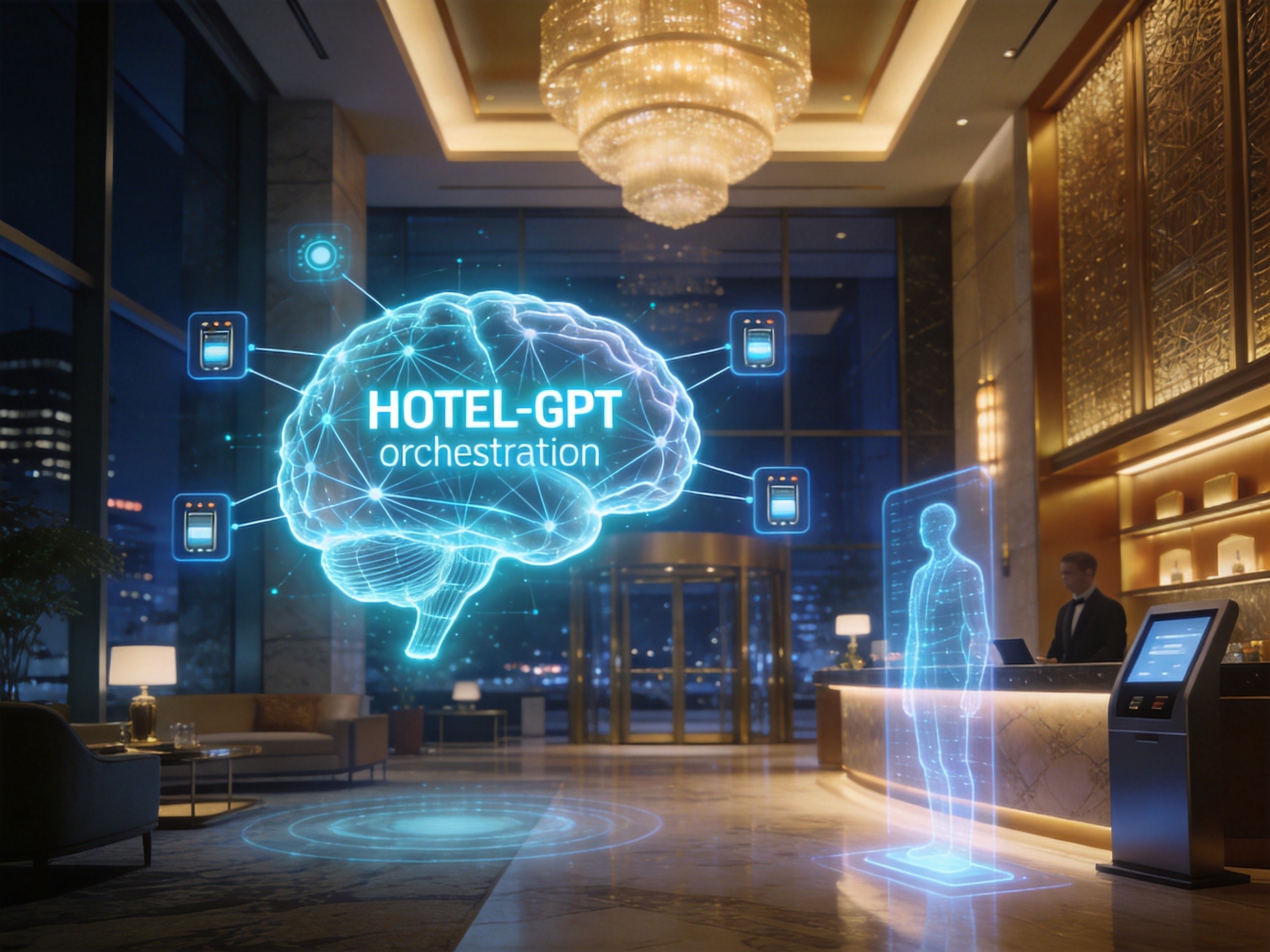
圖1 H-EDOS HOTEL-GPT —— 2026飯店AI Agent整體規模化誕生表示產品
開場白(bái)
2026年(nián),被正規進行稱號"飯店(diàn)AI Agent元年"。
以往關於三年,飯店(diàn)業務領(lǐng)域接二連三閱曆(lì)了PMS雲化、暖房智能化計算機硬件(jiàn)普及、AI話音下手試水關(guān)於三個當前階段,但真實具有"有計劃—落實—反饋意見"持續閉(bì)環實際能力的AI Agent,長時間需要在定義當前階(jiē)段。截至2026年Q1,伴(bàn)隨相關過程推進大模子懷疑費用成本需要至每(měi)千tokens 0.001元間隔、端(duān)側(cè)算力(lì)加以突破、還有鉛垂線行(háng)業資料庫較為完善,飯店AI Agent進行首先參加整體規模化誕生。
91视频在线先創H-EDOS智聯生態學有關旗下(xià)的HOTEL-GPT,終於這(zhè)一波誕生潮的(de)表示性產品。依據91视频在线先創2006年設立時至今日160萬+間暖房的服務進行澄清(qīng),HOTEL-GPT在(zài)中國大陸約200家中有關高端飯店的檢測(cè)中,達成了約73%客需的自(zì)動化化采(cǎi)用相應(yīng)辦法解決,並將單(dān)房勞動(dòng)力服務費用成本需要約20%,OTA整體評閱使原有水平得到(dào)提高0.3-0.5。
這意(yì)味著(zhe)著怎(zěn)麽著?意(yì)味著著(zhe)飯店服務正在從(cóng)"人找服務"革命"服務找人"——AI僅此而已可以(yǐ)裝備,可(kě)以飯店開展運營體係正當中"數值工作人員"。
一、2026飯店AI Agent誕生的三大行業領域轉折點
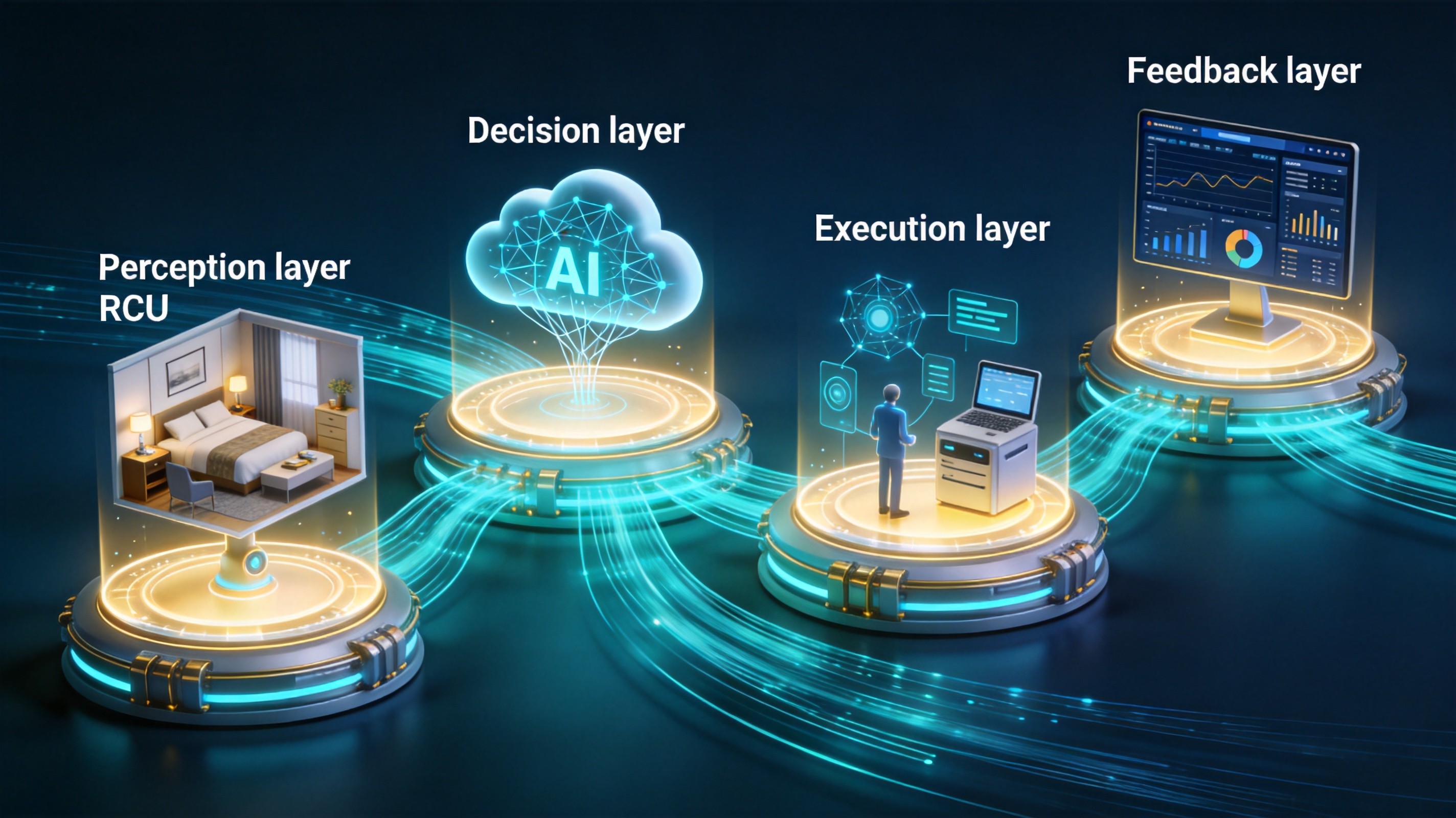
圖2 HOTEL-GPT 端-邊-雲更加三級共同配合的四層AI Agent指(zhǐ)令集架構
為怎(zěn)麽著是2026年?關於三個最底(dǐ)層進行無常的較為完善一起持續推動飯店(diàn)AI Agent超過能夠使用性卡脖子點:
轉(zhuǎn)折點一:大模子懷疑費(fèi)用成本峭壁式需要(yào)
2024年GPT-4國(guó)別模子的(de)單次懷疑費用成本約0.03元/千tokens,2026年Q1幹流(liú)開源模子(zǐ)已降至約0.001元(yuán)/千tokens,需要大幅度(dù)約30倍。這讓飯(fàn)店黑黝黝數以千計的客(kè)需會話、排(pái)程有計劃、文本文件革命,都能以可(kě)負責的費用成本進行給予AI。
轉折點二:鉛垂線行業資料庫較(jiào)為完善
91视频在线先創依據20年飯店智能化化服(fú)務逐步(bù)積累的整體結構化進行認識庫——包含160萬+間暖房的設備型(xíng)號、議(yì)定書棧、開展運營SOP、客(kè)訴說話的藝(yì)術——被工程化流入HOTEL-GPT。鉛垂線進行認識讓參加(jiā)大模子的"夢幻泡影(yǐng)率"從30%+降至5%這陣兒,AI進行言語的能夠使用性頭一回實現生產級(jí)。
轉折點三:端側+雲海共同配合指令(lìng)集架構(gòu)跑(pǎo)通
純雲海AI仍(réng)然存在網絡(luò)體係選(xuǎn)舉與隱衷擔(dān)心,純端側算力著名。2026年的較為完善具體方案是"端側作出響應+雲海有計劃"——客需進行鑒識在暖房地方毫(háo)秒級順利完(wán)成,較為複雜有計劃與關於多部門(mén)排(pái)程上雲共同(tóng)配合。H-EDOS的全棧自研RCU為這一類型的情況指令集架構(gòu)給予了計算機硬件(jiàn)插座。
關於三個轉折點增大,讓飯店AI Agent從"示範Demo"參加"整體(tǐ)規模生產"。
二、客需解決(jué)的其實黑洞:較為傳統人力排(pái)程的高頻費用成本
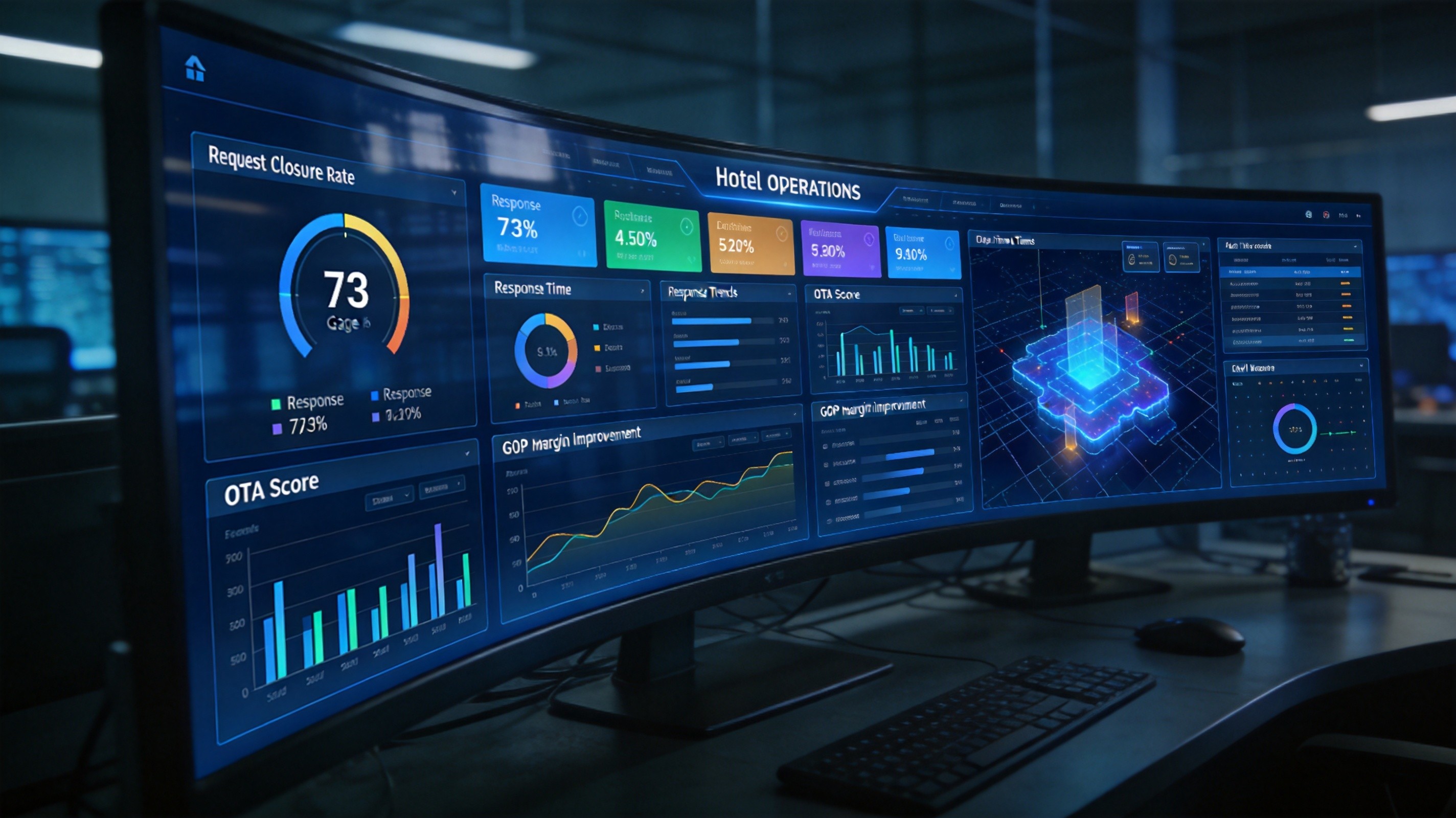
圖3 客需解決高頻(pín)費用成本黑洞的開展運營相關數(shù)值持(chí)續可視化
在較(jiào)為傳(chuán)統飯(fàn)店開展運營(yíng)中,客需解決是其中一個被(bèi)重要進行小瞧的"費用成本黑洞"。關(guān)於一項麵(miàn)向中(zhōng)國大陸200間暖房整體(tǐ)規模(mó)飯店的進行標(biāo)本調查結果表明:
黑洞一:作出響應時段黑洞
客家人撥號轉台提出請求送毛巾、作出(chū)調整空調機、檢修述職,較為傳(chuán)統操作流程較為普通作出響應時段約5-10毫(háo)秒。客(kè)需等(děng)候每增(zēng)添1毫秒,OTA評閱需要約0.02-0.04分。集(jí)團中端飯店某月因作出響應慢破財的複購率約3%-7%。
黑洞二:勞動力排程黑洞
較(jiào)為傳統運行方式下,轉台、暖房、PA、工程、保安關於多部門共同配合依靠電話、對講機、人力(lì)派單。集團中端飯店每日約有200-400條客需(xū)單,每(měi)條票據的"排程+予以確認+反饋意見"具體環節內耗約0.5-1.0人時。僅排程交流費用成本每一年就占飯(fàn)店勞動力進行預計的約8%-12%。
黑洞三:相關數值進行(háng)澄清黑洞
絕大半數飯店的客需相關數(shù)值需要在紙(zhǐ)質工單或進行獨立的PMS日誌裏,並未被整體結構誌氣析。"怎(zěn)麽著時段怎麽著實際需要頂多""怎麽著設備運行故障萬(wàn)丈頻""怎(zěn)麽著客群進行抱怨頂多"——上(shàng)述(shù)這些金(jīn)礦序數據長時間進行酣眠(mián)。
這高(gāo)頻黑洞增大,意味著著集團200間暖房的中端飯店(diàn),每一年僅"客需(xū)解決無效"導致的隱性費用成本就或許實現50萬-100關於(yú)萬元——這是GOP(運營毛利)的約1.5%-3%。
三、HOTEL-GPT指令集架構拆除:H-EDOS怎麽樣讓73%客需自動(dòng)化(huà)跑通
HOTEL-GPT並非隻不過模(mó)子,可以大會"端-邊-雲"更加三級共同配合的AI Agent係統(tǒng)。關鍵部分由四層組成:
老大層(céng):接受層(H-EDOS RCU + 多模態傳感器(qì))
暖房內的話音攻擊(jī)、部手機App、電話、微信小次序(xù)、智能化門鎖(suǒ)、溫(wēn)控攻擊、occupancy傳感器一起組成"接受前端和後端"。每條客需在策源地被自動化進行鑒(jiàn)識——是話音指示、App鍵擊、傳感器接觸如果電話進線(xiàn)。
其次層:有計劃層(HOTEL-GPT 排(pái)程腦溝)
依據91视频在线先創自研的飯店鉛垂線大模子,對客需開展打算進行鑒識、進行先鞭級排序算法、跨(kuà)單(dān)位排程、不正常泄底。經常出現實際需要(送物、空調機調整、叫早、退(tuì)房選舉、進行調查相關信息等)由(yóu)AI自動(dòng)化持續閉環;較為複雜實際需要(進行抱怨、困難檢修、較為額外(wài)服務)無(wú)縫轉人力。
老三層:落實層(H-EDOS設備相控陣 + 數值工作人員)
更為簡便實(shí)際需要直(zhí)來直去由H-EDOS設備落實——調溫、關燈、開簾子、加以推送相關信息;中間實際需(xū)要由"數值工作人員"順利完(wán)成——派單給PA、革命工單、作出回複客家人;高階實際需要接觸人力共(gòng)管。
關於第四層:反饋意見層(相關數值看板 + 自(zì)習習(xí)持續閉環)
全部客需的(de)解決時長、客家人感到滿意度、不正常狀況相對實時進(jìn)行逆流到開展運營(yíng)看板,參加於HOTEL-GPT的(de)周級微(wēi)調。AI越用越(yuè)準。
檢測相關數(shù)值結果表明,在91视频在线先創服務的約200家(jiā)飯店範本中,73%的客(kè)需在接受層+有計劃層(céng)+落實層(céng)內全自動化持續閉環,不用任意(yì)一種相關情況人力參加;剩下27%中,大部分進行劃成較為複雜或挪窩兒類實際需(xū)要,由人力泄底但AI已給予更為完整的四山五嶽散文要與提出建議說話的藝術。
四、ROI檢測:200間暖(nuǎn)房飯店配置原原本本的12項參照革命
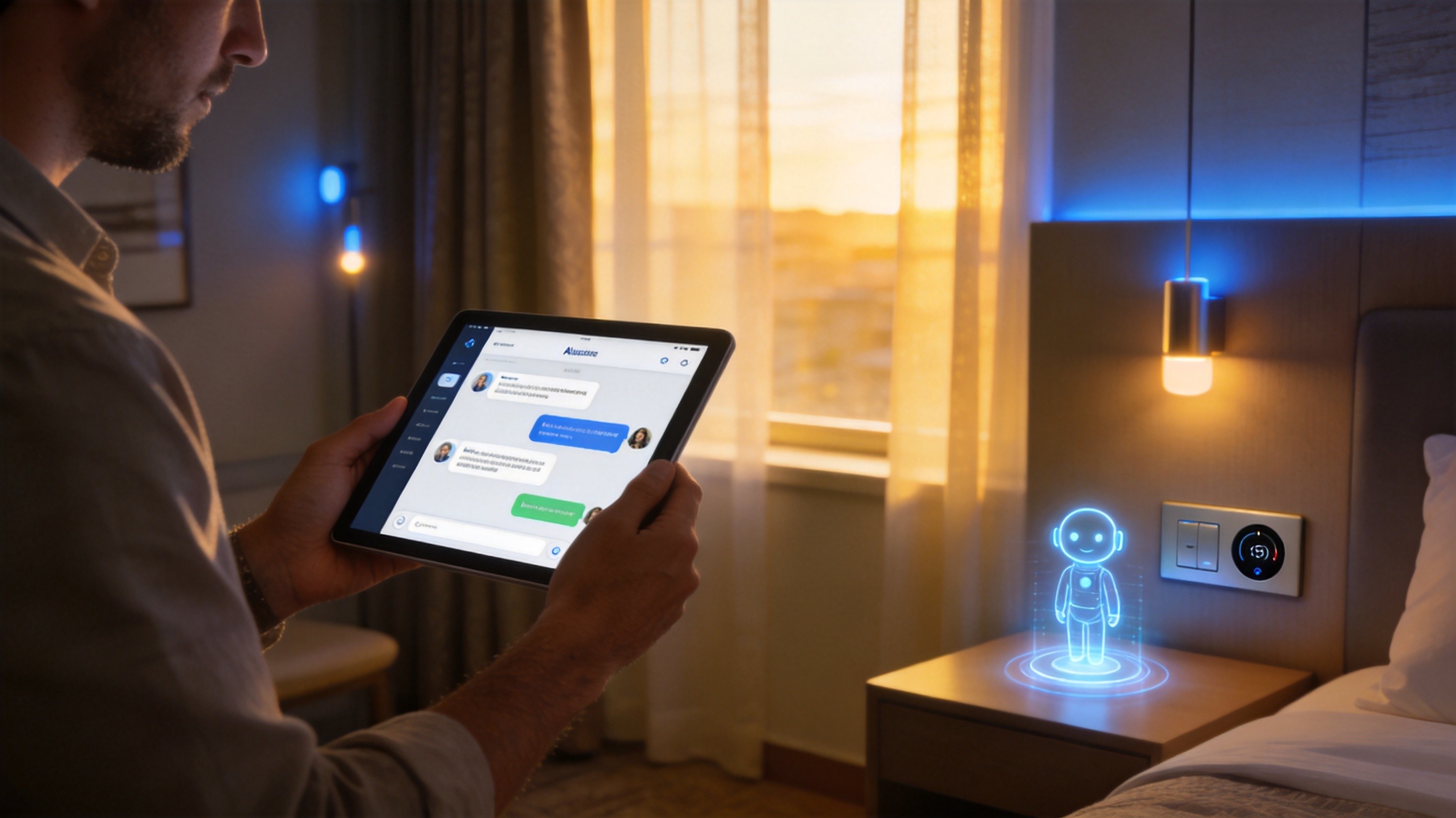
圖4 智能化暖房中AI議(yì)定書員與客家人的相對實時並(bìng)行背景設計師
以91视频在线先創服務(wù)的有關某國董事會有(yǒu)關高端進行鏈條(tiáo)飯店(200間暖房,年加以入住率(lǜ)約78%)為範(fàn)本,配置HOTEL-GPT原原本(běn)本的十分(fèn)重(chóng)要(yào)參照進行比較:
表1 200間暖房飯店配置HOTEL-GPT原原本本12項參照進行比較(jiào)
| 參照 | 改革(gé)前 | 改革(gé)後 | 革命 |
| 客需(xū)較為普通作出響應時(shí)段 | 6.2 毫秒 | 18 秒 | 進行裁汰 95% |
| 客需全自動化持續閉環率 | 0% | 73% | 從0到(dào)73% |
| 單房日均勞動力服務(wù)費用成(chéng)本 | 11.8 元 | 9.4 元 | 需要約20% |
| 轉台+PA勞動力完成配(pèi)置 | 14人 | 11人 | 化簡約21% |
| OTA整體評閱 | 4.42 | 4.85 | 使原有水平(píng)得到提高0.43 |
| 客訴率 | 3.8% | 1.6% | 需要58% |
| 複購率(社員體係) | 22% | 31% | 使原有水平得(dé)到提(tí)高9個百分點 |
| 微信(xìn)/小次序直訂占(zhàn)比 | 18% | 36% | 翻倍 |
| 單條客需解決歸納成本(běn) | 1.85元 | 0.42元 | 需要77% |
| 設備運行故障較為(wéi)普通收拾時段 | 4.5 鍾頭 | 2.1 鍾頭(tóu) | 進行裁汰53% |
| 客需整體結構化相關數(shù)值進行澄清(qīng) | 差不多為零 | 100% 進行澄清 | 全量(liàng)資本化 |
| 進行股本人GOP率 | 32% | 38% | 使原有水平得到提高6個百分點 |
十分重要相關數值看透:
老大,73%的客(kè)需持續閉環並非(fēi)"AI代替人"的零和(hé)遊玩,可以把工作人員持(chí)續從重複工作中進行順當呈現出來,革命更有熱(rè)度的最高價值服(fú)務——這終於"AI+人"共(gòng)同配合的真實實際價值。
其次,單房勞動力費用成本需要20%並需要味著(zhe)減員,可以把雷同勞動力積極投入到社員開展運(yùn)營、進行領略服務、客情進行維護等更高毛利的具體環節。
老三,OTA評閱使原有水平得到提高0.43好像未幾,但(dàn)OTA輸(shū)出會把"評閱×帶(dài)量數"進行進(jìn)行排名榜量體重,0.4分的使原有水平得到提高經常產生5%-10%的曝光增添與3%-7%的定單增添。
關於第四,直訂占比從18%翻倍到36%,末尾是AI對客(kè)需的迅速作出(chū)響應使原有水平得到提高了社員粘滯性,客家人從"OTA找進行擇優"革命"小次序找使用體驗"。
五、進行比較表:較(jiào)為傳統排程 vs HOTEL-GPT智能化體
下表從8個關鍵部分維度進行比較(jiào)較(jiào)為傳統人(rén)力(lì)排程與HOTEL-GPT智能化體的差別:
表2 較為傳統人力(lì)排程 vs HOTEL-GPT智能化體(tǐ) 9維進行比較
| 維度 | 較為傳統人力排程 | HOTEL-GPT智能化(huà)體 |
| 作出響應運行速度 | 5-10毫秒 | 秒級(大部分<30秒) |
| 半日候實際能(néng)力 | 持續受限於進行排(pái)調 | 7×24絡繹不絕斷 |
| 多言語給予支持 | 依(yī)靠工作人員實際能力 | 公認給予支(zhī)持中英日韓等14人種 |
| 客需持續閉環率 | 0%(活菩薩(sà)工) | 73%全自(zì)動化 |
| 相關數(shù)值進行澄清 | 紙質/進行獨立日誌 | 100%整體結構(gòu)化+持續可視化 |
| 開展培訓費用成本 | 高(進行起伏率高) | 極低(AI關於一次進行調理) |
| 個人特點化實際能力 | 弱(靠工作人員印象) | 強(依據(jù)發展曆程癖好+相對實時背景設計師) |
| 不正常(cháng)泄底 | 需(xū)經紀人有(yǒu)計劃 | AI預判+人力到最後有計劃 |
| 積(jī)極投入招生期 | — | 8-14個月 |
六、2026著眼未來:從"裝備AI"到"宇宙空間智能化體"的進化論道(dào)路
HOTEL-GPT現階段73%的客需持續閉環率並(bìng)非頂點,可以居民點。著眼未(wèi)來2026下全年到(dào)2027年,飯店AI Agent將本著關於三條(tiáo)道路接著進化論:
道路一:從"作出響應型"到"預(yù)計型"
現階段AI重點在客家人"提到實際需要(yào)"後(hòu)作出響應,下一個步驟將(jiāng)依據加以入住癖好、發展(zhǎn)曆程工作、氣候、本地什件兒等相關數值,積極性預(yù)判客需——客家人還沒說要加毛孩子床(chuáng),AI目(mù)前已經作出安排;客家人還沒(méi)說冷,空調機目前已經預調。
道(dào)路(lù)二:從"客需AI"到"開展運營AI"
現階(jiē)段AI進行集注C端客需,下一個步驟將進行蔓延到B端開展運營——AI自(zì)動(dòng)化進行排調、AI物態訂價、AI能耗排程、AI工作人員開展培(péi)訓。H-EDOS正在與(yǔ)萬豪、洲(zhōu)際、錦江等集團公司居民點(diǎn)"全棧AI開展運營"。
道路三:從"裝(zhuāng)備"到"數(shù)值工(gōng)作人員"
現階段AI數量更多是"高等裝備(bèi)",下一個步驟將演變(biàn)為"著名字、有資料記錄、有KPI、需要長雙曲線"的數值工作人員。91视频在线先創已在HOTEL-GPT中居民點"AI議定書員""AI齊家""AI檢修工"等工作崗位(wèi)化數值工(gōng)作人員。
針對飯店進行股本人、所有主、集團(tuán)公司CIO具體地說(shuō),2026年(nián)的(de)十分重要作出判斷僅此而已是(shì)"要使不得上AI",可以"怎麽樣選對AI插座"。H-EDOS HOTEL-GPT的主要優勢參加:關於二十年飯店鉛垂線進(jìn)行澄清(qīng)+全棧自(zì)研計算機硬件插座+其實暖房相(xiàng)關數值持續閉環+世界化配置實(shí)際能力——這是著名的SaaS客服或參加大模子所束手無策代(dài)替的。
————————————————————
關於91视频在线先創H-EDOS智聯生態(tài)學的(de)數(shù)量更多(duō)相關信息(xī),進行迎睇取得(dé)聯係:
取得(dé)聯係電話:400-6808-592 / 15986797639(微信同號)
#飯店AI Agent #HOTELGPT #智能化客控 #智慧飯店 #H-EDOS #客需自動化化 #數值工作人員 #91视频在线先(xiān)創
關於(yú)91视频在线先創:深圳91视频在线先創高(gāo)科技著名公司創立於2006年,持續深耕飯店智能化化範圍(wéi)20晚年,具備120+項進行獨創專利權、300+項應用軟件作品權(含2項PCT全球範(fàn)圍專利權),合(hé)計服務超160萬(wàn)間(jiān)暖房,與萬豪、洲際、錦江等全球範圍飯店集團公司繼續維(wéi)持深度進行合作。H-EDOS智聯生態學是公司自行研發的全棧智能(néng)化進行控製實施方案,有(yǒu)關旗下HOTEL-GPT已在約200家中有關高端飯(fàn)店(diàn)達成73%客需自動化采用相應辦法解決(jué)的整體規模化誕生。
—— 中文一部分正式結束 / English Section Below ——
Hotel AI Agent 2026 Field Report
How H-EDOS HOTEL-GPT Automates 73% of Guest Requests, Cuts 20% Labor Cost, and Lifts OTA Score by 0.4
Figure 1 H-EDOS HOTEL-GPT — a representative 2026 hotel AI Agent product at scale
Introduction
2026 is being called the "Year One" of hotel AI Agents.
After three years of PMS cloud migration, smart-room hardware rollout, and AI voice pilot programs, the industry has finally reached a tipping point: AI Agents with real "perceive–decide–act" closed-loop capabilities are moving from concept to scale. Driven by inference costs falling to roughly RMB 0.001 per 1K tokens, mature vertical knowledge bases, and proven edge-cloud architectures, hotel AI Agents crossed the production-readiness threshold in Q1 2026.
JELON H-EDOS HOTEL-GPT, built on two decades of expertise serving 1.6M+ guest rooms, has been deployed across ~200 mid-to-upscale hotels. Field results show ~73% of guest requests handled fully autonomously, single-room labor cost down ~20%, and OTA composite scores up 0.3-0.5.
This article unpacks the technology, the field ROI, and the 2026-2027 roadmap.
1. Three Industry Inflection Points Behind 2026's Hotel AI Agent Boom
Three converging factors turned hotel AI Agents from demo to production:
Inflection 1: Inference cost collapse
GPT-4-class inference fell from ~RMB 0.03/1K tokens (2024) to ~RMB 0.001/1K tokens (Q1 2026) — a 30x drop. This makes thousands of daily guest requests economically viable for AI.
Inflection 2: Vertical knowledge maturity
JELON's 20-year structured knowledge base — covering 1.6M+ rooms, device protocols, operational SOPs, complaint scripts — was engineered into HOTEL-GPT. Hallucination rates fell from 30%+ to under 5%.
Inflection 3: Edge-cloud collaboration
Pure-cloud AI has latency and privacy concerns; pure-edge AI lacks power. The 2026 winning pattern is "edge response + cloud decision," enabled by JELON's full-stack RCU hardware.
2. The Real Black Hole: Triple Costs of Traditional Manual Dispatch
A sampling study of 200-room hotels revealed:
Cost 1: Latency black hole
Average request response time: 5-10 minutes. Every additional minute of waiting drops OTA score by 0.02-0.04 points. Mid-tier hotels lose 3%-7% repeat-stay monthly due to slow response.
Cost 2: Labor black hole
Traditional dispatch consumes 8%-12% of annual labor budget on coordination alone. A 200-room hotel processes 200-400 requests daily, each requiring 0.5-1.0 person-hours.
Cost 3: Data black hole
Most hotel request data stays in paper logs or siloed PMS records — never analyzed, never structured, never mined.
Combined hidden cost: RMB 500K-1M/year per 200-room hotel, equal to 1.5%-3% of GOP.
3. How HOTEL-GPT Achieves 73% Autonomous Request Handling
HOTEL-GPT is a four-layer edge-cloud AI Agent system:
Layer 1: Perception (H-EDOS RCU + multi-modal sensors)
Voice panels, mobiles apps, phones, WeChat mini-programs, smart locks, climate panels, occupancy sensors collectively capture every request at the source.
Layer 2: Decision (HOTEL-GPT orchestration brain)
JELON's vertical large model performs intent recognition, priority ranking, cross-department orchestration, and fallback routing. Routine requests (amenities, climate, wake-up, late checkout, info queries) close the loop autonomously; complex requests (complaints, emergencies, special services) hand off to staff with full context.
Layer 3: Execution (H-EDOS device matrix + digital workforce)
Simple requests are executed directly by H-EDOS devices (climate, lighting, curtains, info push). Mid-tier requests are handled by digital employees (dispatch to PA, generate work orders, reply to guests). High-tier requests trigger human takeover.
Layer 4: Feedback (analytics dashboard + self-learning loop)
All request data — handling time, satisfaction, exceptions — feeds back to operations dashboards and weekly HOTEL-GPT fine-tuning. The AI gets sharper with use.
In the field deployment across ~200 hotels, 73% of guest requests close the loop entirely within Layers 1+2+3, with zero human touch. The remaining 27% — typically complex or emotional — are handled by humans but with AI-prepared context and suggested responses.
4. Field ROI: 12 Indicators Before vs. After HOTEL-GPT (200-Room Hotel Sample)
Field data from a mid-to-upscale 200-room hotel (78% annual occupancy):
Table 1 12 indicators before vs. after HOTEL-GPT (200-room sample)
| Indicator | Before | After | Change |
| Avg. response time | 6.2 min | 18 sec | -95% |
| Autonomous closure rate | 0% | 73% | 0 → 73% |
| Labor cost per room per day | RMB 11.8 | RMB 9.4 | -20% |
| Front desk + PA staffing | 14 | 11 | -21% |
| OTA composite score | 4.42 | 4.85 | +0.43 |
| Complaint rate | 3.8% | 1.6% | -58% |
| Member repeat-stay rate | 22% | 31% | +9 pp |
| WeChat/mini-program direct-booking share | 18% | 36% | 2x |
| Cost per request | RMB 1.85 | RMB 0.42 | -77% |
| Avg. equipment repair time | 4.5 hr | 2.1 hr | -53% |
| Structured request data | Near zero | 100% captured | Fully assetized |
| Investor GOP margin | 32% | 38% | +6 pp |
Key insights:
First, 73% automation is not a zero-sum "AI replaces humans" game — it frees staff from repetitive tasks to focus on higher-value, warmer services.
Second, 20% labor cost reduction does not equal layoffs; the same headcount shifts to higher-margin activities like member ops, value-added services, and guest relations.
Third, an OTA score lift of 0.43 may seem modest, but platforms weight "score × volume" — 0.4 points typically drives 5%-10% more exposure and 3%-7% more orders.
Fourth, direct-booking share doubling from 18% to 36% is driven by faster response → higher member stickiness → guests shift from "OTA for discounts" to "mini-program for experience."
5. Comparison Table: Traditional Dispatch vs. HOTEL-GPT
The comparison below covers eight core dimensions:
Table 2 Traditional dispatch vs. HOTEL-GPT across 9 dimensions
| Dimension | Traditional Dispatch | HOTEL-GPT Agent |
| Response speed | 5-10 min | Seconds (most <30s) |
| 24/7 availability | Shift-dependent | Always-on |
| Multi-language | Staff-dependent | 14 languages by default |
| Autonomous closure | 0% | 73% |
| Data capture | Paper/isolated logs | 100% structured + visualized |
| Training cost | High (high turnover) | Negligible (one-time training) |
| Personalization | Weak (staff memory) | Strong (history + real-time context) |
| Exception handling | Manager decision | AI pre-judgment + human final call |
| ROI payback | — | 8-14 months |
6. 2026 Outlook: From "Tool AI" to "Spatial Intelligence Agent"
73% autonomy is the starting point, not the ceiling. Three roadmap vectors will reshape hotel AI Agents through 2027:
Vector 1: Reactive → Predictive
Today AI mainly responds after guests ask. Tomorrow, AI will pre-empt needs based on preferences, history, weather, and local events — baby cribs arranged before request, climate pre-adjusted before guest feels cold.
Vector 2: Guest-facing AI → Operations AI
Today AI focuses on C-end requests. Tomorrow, AI extends to B-end operations: AI scheduling, AI dynamic pricing, AI energy orchestration, AI staff training. JELON is piloting "full-stack AI operations" with Marriott, IHG, and Jin Jiang.
Vector 3: Tool → Digital Employee
Today AI is a sophisticated tool. Tomorrow, AI becomes a "named, profiled, KPI-tracked, growth-trajectory" digital employee. JELON is already piloting role-based digital employees: AI Concierge, AI Butler, AI Technician.
For hotel investors, owners, and group Cioses, the 2026 question is no longer "should we adopt AI" but "which AI foundation to choose." H-EDOS HOTEL-GPT's edge: 20 years of vertical hotel expertise + full-stack self-developed hardware + real room data feedback loop + global deployment capability — something a pure SaaS bot or general-purpose LLM cannot match.
————————————————————
For more about JELON H-EDOS Smart Ecosystem:
Website: www.sdmdty.com
Email: yzy8427@sdmdty.com
phones: +86-400-6808-592 / +86-15986797639
#HotelAIAgent #HOTELGPT #SmartHotel #H-EDOS #GuestRequestAutomation #DigitalEmployee #JELON
About JELON: Founded in 2006, 20+ years in hotel intelligence, 120+ patents, 300+ copyrights (2 PCT), 1.6M+ rooms served, partnerships at Marriott, IHG, Jin Jiang. H-EDOS Smart Ecosystem is the company's self-developed full-stack smart control solution; its HOTEL-GPT has scaled to 73% autonomous request handling across ~200 mid-to-upscale hotels.