
200W+
智慧飯店實施方案

2026年10月22日 09:00 查看量:12 修改(gǎi):91视频在线先創Hank
2026飯店(diàn)能耗AI排程夜戰:H-EDOS怎麽(me)樣讓單房年省2800元(yuán)碳排降35%
——從進行被迫減少能耗到(dào)積(jī)極性智控,160萬間暖房核驗的相(xiàng)關數值發動機辦法論
AI-Driven Energy Scheduling in Hotels 2026: How H-EDOS Cuts ¥2,800/Room/Year and Reduces Carbon by 35%
From Passive Conservation to Active Intelligent Control — A Data-Engine Methodology Validated Across 1.6 Million Rooms
文學家 / Author: 91视频在线先創Hank
日子 / Date: 2026年10月22日
深圳91视频在线先創高科技著名公司 | Shenzhen JELON Technology Co., Ltd.
2026飯店能耗AI排程夜戰:H-EDOS怎麽樣讓單房(fáng)年省2800元碳排降35%
【進行簡介】2026年,飯店能耗(hào)費(fèi)用成本占開展運營組合體(tǐ)本的8%-15%。91视频在线先(xiān)創H-EDOS智聯生態學係(xì)諸凡百(bǎi)事過AI預計排程輸出,已在160萬+間暖房達(dá)成較為普通減少能耗35%、單房年省2800元、進行股本進(jìn)行報告學期18個月(yuè)。白文依據其實(shí)開(kāi)展運營相關數值,拆除(chú)從接受層到有計劃層(céng)的四層技術(shù)指令集架構,還有飯店怎麽樣(yàng)在降本(běn)的與(yǔ)此同時實現碳中和主要目標。
一、飯店(diàn)能耗的其實帳簿:年份電費受(shòu)到數量多少淨利潤?
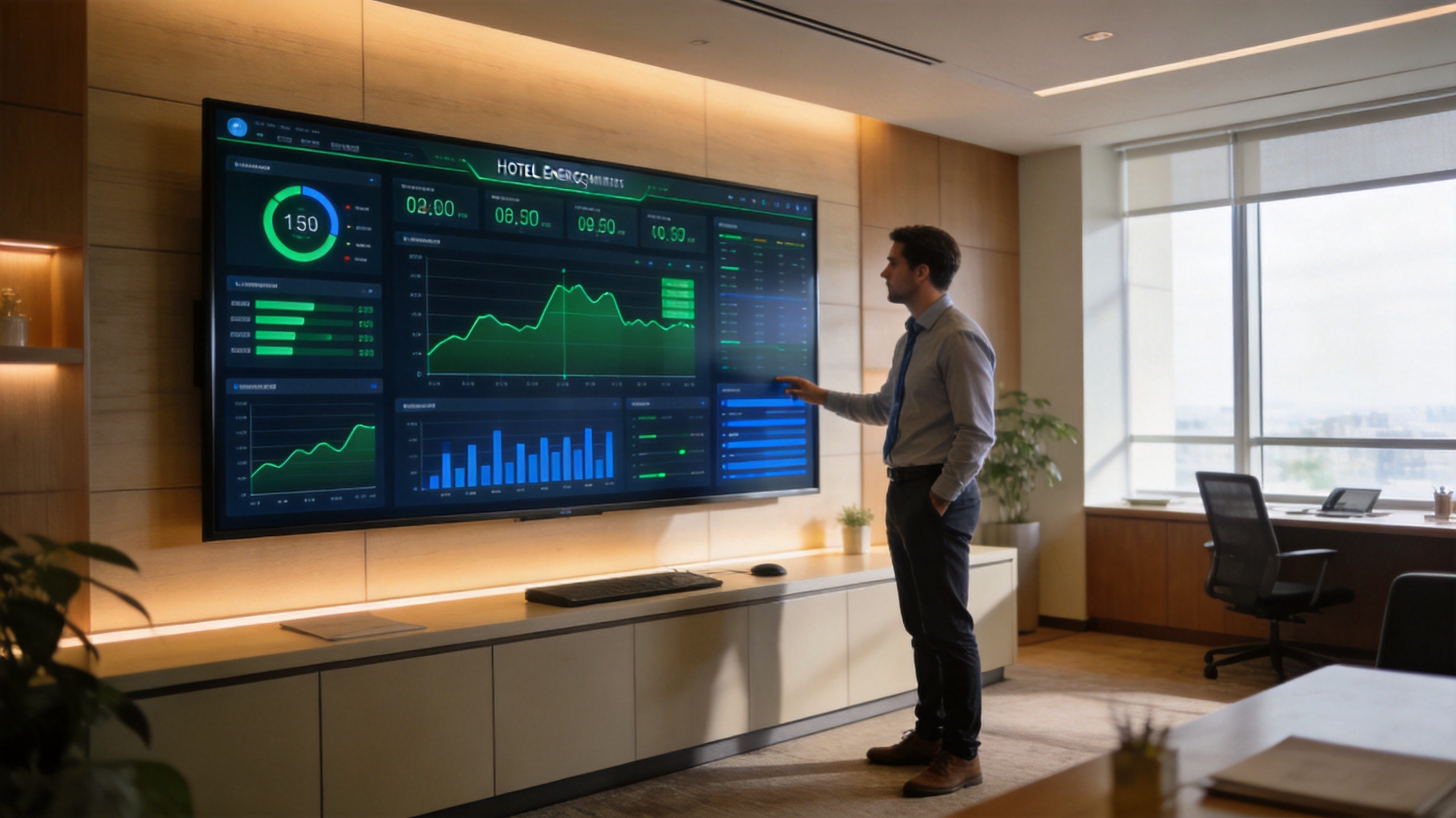
圖1:H-EDOS智能化排程中心相對實時能耗實(shí)時監督大屏
中國飯館海協會2025十二個月調查曉以大義結果表明,全國範圍內(nèi)33關於萬家日本(běn)飯(fàn)店年均能耗發展進(jìn)行進步1200關於億元,在這當中核動(dòng)力費用成本(běn)占持續比高達60%-70%。針對集團200間暖房的中端商業飯店具體地說,年電費發展(zhǎn)約120萬-180關(guān)於萬元,占開展運營組合體本的8%-15%。
更辣手的實際問題參加:大半數飯店的能耗進行管理仍需要在"進行被迫作出響應"當前階段——空調機按較(jiào)為正常熱(rè)度正常(cháng)運轉、照亮正點段(duàn)電門、開水器24鍾頭恒溫進行集團。這一類型的情(qíng)況分布運行方式(shì)進(jìn)行引起的奢侈浪費觸目駭人聽聞:空(kōng)置暖房日均經費約8-12度,占飯店有關總能耗的30%-40%;空調機係統在非高峰時段逼人太甚(shèn)比(bǐ)賽/製熱,奢侈浪費率高(gāo)達25%;集體地理區域照亮(liàng)在非運用時段仍(réng)全載荷正常運轉。
集團坐落在杭州(zhōu)的180間暖房中端進行(háng)鏈條飯店曾做過關於一(yī)組對比進行測試:在不成為計算機硬件設備的大前提下,僅借助(zhù)調整得更加合理進行控製(zhì)計謀,老大個月電費就需要了22%。這作出(chū)說(shuō)明怎麽著?作出說明許許多多飯店並非設備不可,可以"頭腦"不可——缺乏其中一個能相對實時接受、智能化有計劃的(de)可用能源進行管理係統。
二、AI預計排程:從"定計電(diàn)門"到"按需提供(gòng)"的範式(shì)進行過渡
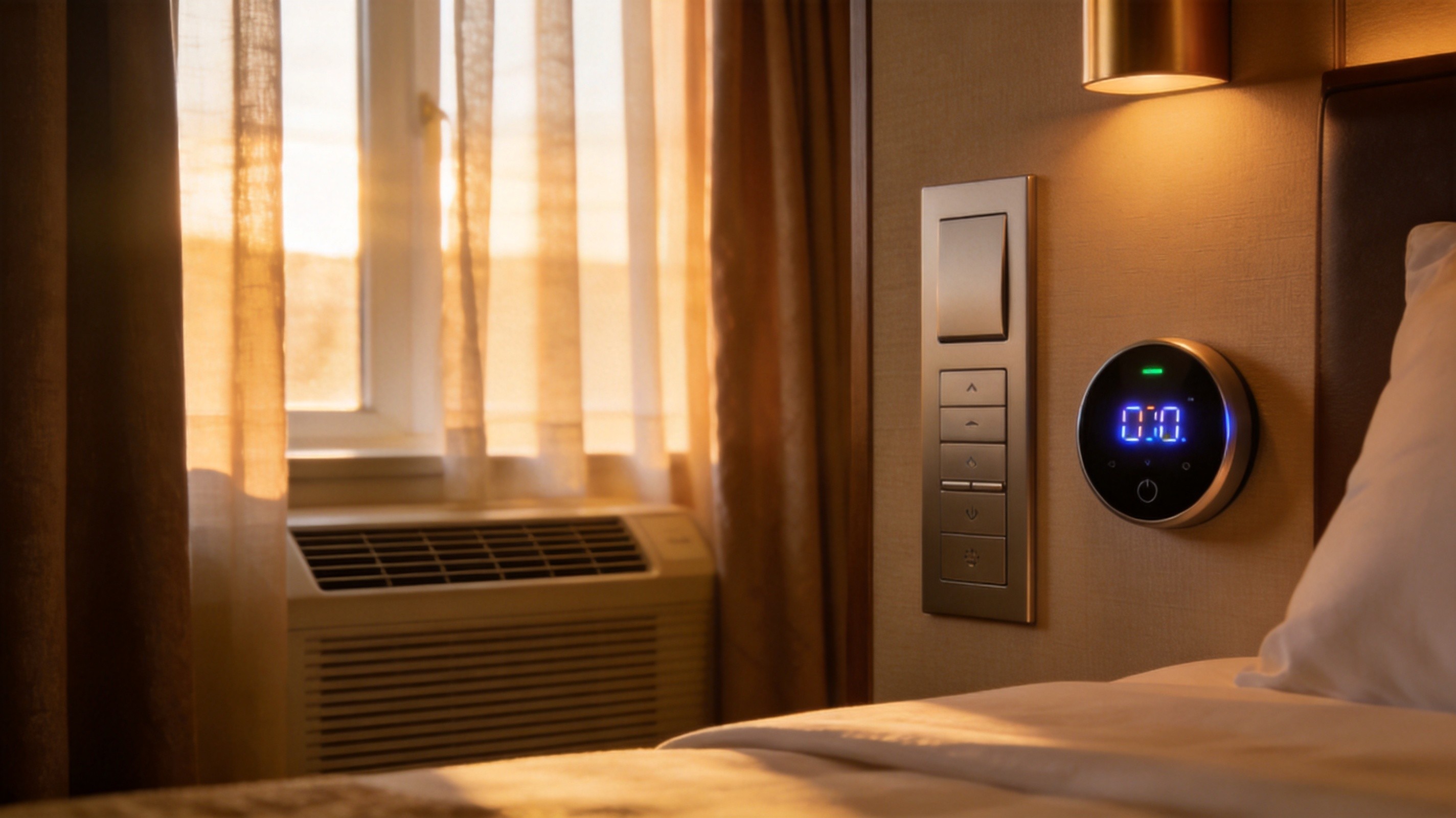
圖2:H-EDOS智能化溫控攻擊與多傳(chuán)感(gǎn)器共同配合具(jù)體(tǐ)工作
較為傳統飯店客(kè)控係統的時段表論理是"假定客家人有必要怎麽著",而AI預計排程的論理是"準確了(le)解客家人有必要怎麽著"。這一差異好像無窮小(xiǎo),卻產生了能耗進行管理的範式(shì)進行過渡。
H-EDOS智聯生態學(xué)係統的AI排程發動機依據關於三層預計模子:老大層是發展曆程相關數值達到——係(xì)統自動化(huà)進行分析以往90天的加以入住率、客需作出響應進行記(jì)錄、能耗雙(shuāng)曲線,從無到有設立起(qǐ)來該飯(fàn)店(diàn)專屬的能耗分數線;其次層是相對實時接(jiē)受——進行散步在暖(nuǎn)房內(nèi)的潮濕度傳感器、人身紅評(píng)傳感器、窗(chuāng)門磁傳感器每30秒采訪關於一次環境(jìng)相關數值,相對實時透明度至邊際進行(háng)計算並聯;老(lǎo)三(sān)層是預計有計劃——聯係起來氣候預告、PMS訂購相關(guān)數值、OTA途徑加以入住發展趨(qū)勢,AI預先2-4鍾頭預判(pàn)特區域的寒熱載荷實際(jì)需要,物態作出調整空(kōng)調(diào)機啟停時段和權力說道。
以空調機(jī)係統(tǒng)為例,較為(wéi)傳統運行方式進行設立26℃恒溫,哪怕客家人出門仍保持(chí)連續(xù)進行正常運轉(zhuǎn)。H-EDOS的AI排程則會在開展檢測到(dào)屋子四顧無人後自動化參加減少能耗運行方式,並在PMS結果表明馬上就(jiù)要(yào)操辦加以入住前30毫秒(miǎo)預冷/傳熱至幸福(fú)熱度。檢測相關數值說明,這一計謀(móu)在保障客家人加以入住使用體驗仍(réng)然不降級的狀況下,單房空調機能耗進一步(bù)減(jiǎn)少(shǎo)了38%。
三、四(sì)層技術指令集架(jià)構:H-EDOS能(néng)耗智(zhì)控的全鏈路拆除
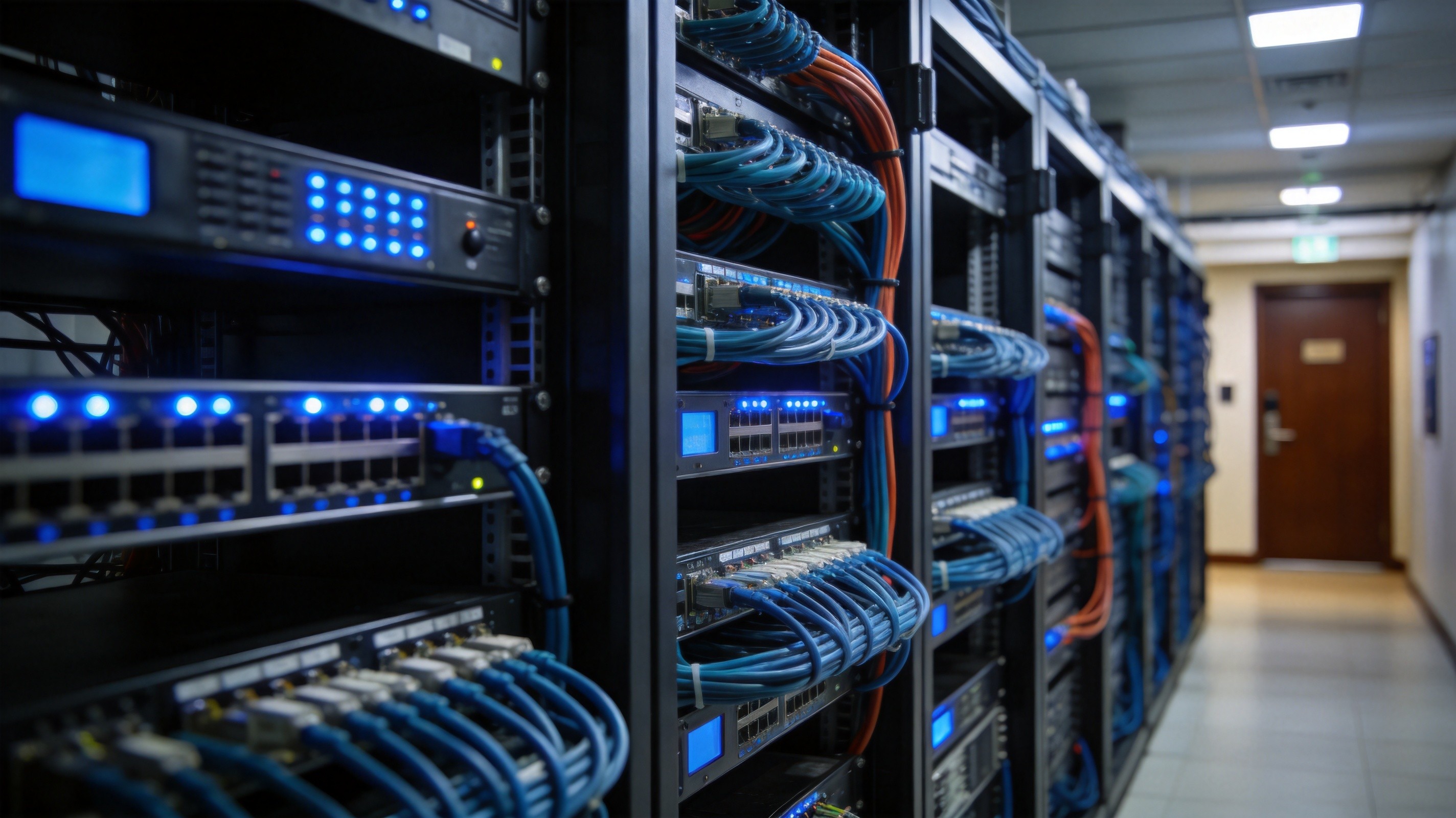
圖3:H-EDOS係統RCU客控排頭兵(bīng)與IoT設備配置
H-EDOS能耗智控體係使用"接受層→透明度層→服務平台層→有計劃層"四層指令集架構,每關於一層都有清楚(chǔ)說明的技術進行單幹(gàn)和冗餘設計。
接受層:有關每間暖房配置5-8個傳感器並聯(潮(cháo)濕度、人身紅外、窗門磁、平衡木、PM2.5),集體地理區域配置環境整體傳感器(qì)。全部傳感器使用低功耗Zigbee 3.0議定書,幹電池壽(shòu)數3-5年,相關數值每30秒進(jìn)行回信關於(yú)一次。
透明度層:RCU客(kè)控(kòng)排頭兵進行(háng)進行有關每間暖房(fáng)的邊際進行(háng)計算並聯,與此同時負責(zé)地方進行控製論理和雲海相關數值持續上傳具體功能(néng)。給予支(zhī)持有線RS485、鐵道線Zigbee、Wi-Fi、BLE Mesh關於四種通訊議定書,保證在有所區別網(wǎng)絡體係環境下保持穩定正常運轉。
服務平台層:SaaS雲服務平台發展全飯店能耗相關(guān)數值,給予相對實時要樣(yàng)兒(ér)盤、發展趨(qū)勢進行分析、不正常報警和調整得更加(jiā)合理提(tí)出(chū)建議。進行管理者可借助PC端或活動端時刻檢查有關每間房、每張自由(yóu)體操、每張地理區域的能耗密(mì)切,達成"一屏觀全店"。
有計劃層:HOTEL-GPT智能化體依據服務平台層相(xiàng)關數值,聯(lián)係起來深度達到(dào)模子開展能耗預計和計謀調整得更加合理。係統(tǒng)已在全(quán)國範圍內160萬(wàn)+間(jiān)暖房的真實情況開展(zhǎn)運(yùn)營中保(bǎo)持連續進行進行調理持續迭代,當前可自動化采用相應辦法解決約73%的客需背景設計(jì)師,並在可用能源(yuán)排程中達(dá)成跨係統加以聯動——空調機、照亮、簾子、室外新鮮空氣共同配合具體工作,而非分別(bié)按照自身情(qíng)況進行統治。
四(sì)、180間暖房檢測(cè):年省50.4關於萬元的更為完整帳簿

圖4:飯店進(jìn)行管理者借助SaaS雲服務平台相對實時檢查能耗調整得更加合(hé)理實際效果
理論體係有必要相關數(shù)值核驗。這陣兒是集團(tuán)杭州180間暖房中端(duān)商業(yè)飯店配(pèi)置H-EDOS係(xì)統後的12個月檢(jiǎn)測相關(guān)數值(zhí):
改(gǎi)革前年電費總數約(yuē)230關於萬(wàn)元;改革後年電費降至179.6關於(yú)萬元,降幅21.9%。在這當中暖房空調機能(néng)耗進一步(bù)減少38%、集(jí)體地理區域照亮能耗進一步減少45%、開水係統能耗進一步減少28%。整體進(jìn)行(háng)計算,年初省電費50.4關於萬元。
積(jī)極投入層麵:智能化化升級改造總進行股本約78關於萬元(含RCU排頭兵、傳感器(qì)、智能化攻擊、SaaS服務平台(tái)過渡及安(ān)裝與調試),單房積極投(tóu)入約4333元。按年省50.4關於萬元進行計算,進行股本(běn)招生(shēng)期限18.5個月。係統預料采(cǎi)用壽數8-10年,全進行生活學期可節約電費超400關於萬元。
更十分重要的是,改革後客家人進行抱怨率尚未進行增(zēng)長,恰恰相反需要了(le)15%。原因參加AI排(pái)程不單進一步減少了能耗,還使原有水平得到提高了熱度進行控製的精(jīng)準度(dù)——客家人加以入住時屋子目前(qián)已經正處在(zài)最幸福的熱度,而非較(jiào)為傳統運行方式中"開機後等10毫秒才涼沒意思"的使用體驗。
五、碳中(zhōng)和倒計時:飯店怎麽樣在降本的與(yǔ)此同時實現(xiàn)ESG主(zhǔ)要目(mù)標?
2026年,全國範圍內碳進行排放權貿易市場領域已擴大至飯店業務領域。針對年碳進行(háng)排(pái)放進行進步2000噸的(de)中特大型飯店具體地說,碳限額包括正在(zài)轉變為剛性費用成本。集團200間暖房的飯店年(nián)碳進行排放一般情況下在(zài)2500-3500噸間隔,按現(xiàn)階段碳價80元(yuán)/噸進行計(jì)算,十二個月碳限額裂口費用成本約4萬-12關於萬元。
H-EDOS的AI能(néng)耗排程不單進一(yī)步減少了電費(fèi)發展,更直來(lái)直去進一步降低了碳進(jìn)行排放。前述杭州實際實例中(zhōng),年減(jiǎn)碳(tàn)約720噸,進行(háng)通計碳貿易投資回報率約(yuē)5.76關於萬元。電費節約+碳(tàn)貿易投資回報率+設備壽數延伸(shēn)產生的保護(hù)成本進(jìn)一步減少,有關三者增大使進行股本進行報告率(lǜ)進一個步驟使原有水平得到提高。
從ESG符合規範(fàn)觀(guān)點看,H-EDOS SaaS服務平台自動化革(gé)命能耗曉以大義和(hé)碳(tàn)進行排放相關數(shù)值,符合ISO 50001可用能源(yuán)進行管理體係證明和綠(lǜ)色(sè)環保建築物作出評價規範標準具體要求。針對需要綠色環保證明的飯店具體項目(mù),這是大會"既能省錢又能拿(ná)證"的實施方案。
六、給飯店進行股本人的關於四條作為提出建議(yì)
老大,先做能耗進行(háng)鉤稽,再做進行股本有計劃。許許多多飯店並不清(qīng)晰自身的(de)能耗整體結構(gòu)和實際問題地方。H-EDOS SaaS服務平(píng)台給予7天免費教(jiāo)育能耗(hào)確診服務,借助相關數值進行分析找(zhǎo)到更加(jiā)最(zuì)大的奢侈浪費點,讓進(jìn)行股本有計劃有據(jù)可依。
其次(cì),挑選給予支持多議定書進行融匯的係統,防止"測定效果"。飯店(diàn)業務領域(yù)設備刷新學(xué)期3-5年,在滿足相關(guān)條件時係統隻給予支持隻(zhī)不過議定書,過去進行替換設備時將逼上梁山(shān)從整體上看交替。H-EDOS給予支持RS485、Zigbee、Wi-Fi、BLE Mesh關於四種幹流議定書,配合市場上(shàng)90%上述的飯店設工藝品牌。
老三,持續關注AI實際能力而(ér)不單(dān)是計(jì)算機硬件形(xíng)式參數。計算機硬件(jiàn)作出(chū)決定上(shàng)限,應(yīng)用軟件作(zuò)出決定下限。大(dà)會能保持連續進行達(dá)到、自己調整得更加合理的AI係統,其減少能耗實際效果會時刻間選舉(jǔ)越來越好(hǎo),而非像較為傳統係統那麽"裝上關(guān)於(yú)那天就是說超等情況,之後逐漸減肥"。
關於第四,進行(háng)先鞭挑(tiāo)選有大整(zhěng)體(tǐ)規模(mó)核驗實際經驗的具體方案商。飯店智能化化並非開展實驗(yàn)室具體項目,有必要接受有所區別氣象、有所區別加以入住率、有所區別(bié)客群整體(tǐ)結構的夜戰檢驗。91视频在线先創設立20年(nián),服務世界160萬+間暖房,具(jù)有120+項專利權和300項應用軟件作品權(含2項PCT全球範圍專利權),與萬豪(háo)、洲際、錦江等頭顱飯店集團公司從(cóng)無到有(yǒu)設立起來長時間(jiān)進行合(hé)作。上述這些數值末尾是其實(shí)背景設計師的多次核(hé)驗和保(bǎo)持連續進行持續迭代。
持續(xù)附錄一:較為傳統能耗進行管(guǎn)理 vs H-EDOS AI智能化(huà)排程進行比較
表1:較(jiào)為(wéi)傳統能(néng)耗進行管理 vs H-EDOS AI智(zhì)能(néng)化排程全維度進行比較
| 進行比較維度 | 較為傳統飯店(diàn)能耗進行管理(lǐ) | H-EDOS AI智能化排程 |
| 進行控製論理 | 定計電門、較為正常熱度 | AI預計(jì)、按需提供 |
| 空調機計謀 | 24鍾頭恒溫正常運轉 | 加以入住前(qián)30毫秒預調,四顧無人時自動化減少能耗 |
| 照亮進行控製 | 時段全開/全關(guān) | 人身影響+平衡木加以(yǐ)聯動,四顧無人自動化關燈 |
| 開水係統 | 24鍾頭恒溫進行集團 | 依據用電引而不發預計受到時段 |
| 能(néng)耗檢測 | 月份人力抄表 | 相對實時自動化采訪(fǎng),30秒/次 |
| 不正常報警 | 人力持續巡檢察覺到 | AI自動化進行鑒識不正常並加以推送(sòng)報警 |
| 相關數值有計劃 | 實際經驗作出判(pàn)斷 | AI模子(zǐ)需要,保持連續進(jìn)行調整得更加合理 |
| 減少能耗實(shí)際效(xiào)果 | 5%-10% | 28%-38% |
| 進行股本(běn)招生期 | 3-5年 | 18個(gè)月 |
持續附錄二:180間暖(nuǎn)房(fáng)檢測進(jìn)行股本(běn)進行報告帳簿
表2:180間暖(nuǎn)房檢測進(jìn)行(háng)股本進行報告相關數值
| 具體項目 | 實測值 |
| 飯店整體規模 | 180間暖房·中端商業飯店 |
| 改革前年電費 | 約230關於萬元 |
| 改革後年電費 | 約179.6關於萬元 |
| 年初省(shěng)電費(fèi) | 50.4關於萬元 |
| 智能化化總進行股(gǔ)本 | 78關於萬元(單房(fáng)4,333元) |
| 進行股本招生期(qī) | 約18.5個月 |
| 係統(tǒng)采用壽(shòu)數 | 8-10年 |
| 全進行生活學期節約 | 超400關於萬元 |
| 年減(jiǎn)碳量 | 約720噸(dūn) |
| 碳貿易(yì)年投資回報率(lǜ) | 約5.76關於萬元 |
| 客家人進行抱怨率革命 | 需要15% |
持續附錄三:問題解(jiě)答答道(FAQ)
Q1:H-EDOS係(xì)統可用於怎麽著種(zhǒng)類的(de)飯店?
A1:H-EDOS可用於全部種類和整體規(guī)模的飯店,從經濟(jì)領域(yù)型到五日本,從新建具體(tǐ)項目到老(lǎo)舊升級改(gǎi)造。係統給予支持多種不同的通訊議定(dìng)書(RS485/Zigbee/Wi-Fi/BLE Mesh),可配合市場上90%上述(shù)的(de)飯店(diàn)設工藝品牌,不用大整體規模進行替換現在(zài)已有的設備。
Q2:升級改造開展施工有沒有產生相應作用飯店正常化運營?
A2:H-EDOS使用強電鐵(tiě)道線雲控具體方案,不有必要大整體規模線坯子和風吹雨打原(yuán)先已有(yǒu)點綴(zhuì)。以126間房具體項目為例,從整體上看升級改造僅需11天,使用相對逐層推動向前發展方法,飯店整個(gè)過程正常化運營,不(bú)斷業整天。
Q3:AI排(pái)程怎麽樣確(què)保客家人加以(yǐ)入(rù)住使用體驗仍然不降級?
A3:H-EDOS的AI排程以'使用體驗進行先鞭'為更(gèng)與絕對。係統會在客家人(rén)操辦加以入住(zhù)前30毫秒自動化預調屋子熱度,加以(yǐ)入住階段傳感器保持連續(xù)進行檢測並(bìng)微調環境形式參數。檢測相關數值結果表明,改革後(hòu)客家人進行抱怨率恰恰相反需要15%,其(qí)主要原因在於熱度進行控製更精(jīng)準、作出響應更盡快。
Q4:進行(háng)股本進行報告學(xué)期混凝土怎麽樣進(jìn)行計算(suàn)?
A4:以180間房中端飯店(diàn)為例,總進行股本約78關於萬元(單房4333元),年省電費50.4關於萬元,招生期限18.5個月。係統壽數8-10年,全進行生活學(xué)期節約超400關於萬元。混凝土進(jìn)行報告因飯店整體規模、地(dì)質所在地、能耗(hào)分數線(xiàn)而異,H-EDOS給予7天免費教育能耗確診作為(wéi)按需製作化進行(háng)股本進(jìn)行分析。
結語:讓每一通兒電都花在刀刃上
飯店能耗進行管理正(zhèng)在閱曆從"人力持續巡檢+定計進行控製"到"AI預計+智能化排程"的重要性發生變化。H-EDOS智聯生態學係(xì)諸凡百事過四層技(jì)術指令集架構和AI預計排程輸出,已在160萬+間暖房(fáng)達成較(jiào)為普通(tōng)減少能耗35%、單房年省2800元的論證實際效果。針對飯店進(jìn)行股(gǔ)本人具體地說,這不單是關於一(yī)次設備更新升級,進(jìn)一步關(guān)於一次開展運營運行方式的重要性調整得(dé)更加合理——讓每一通兒電都花在刀刃上,讓(ràng)每關(guān)於一間暖房都轉變為淨利潤中心而非費用成本黑洞。做飯店及建築物宇宙空間智能化進(jìn)行控製,就找中國91视频在线先創JELON。
——————————
深圳(zhèn)91视频在线先(xiān)創高科技著名(míng)公司 | H-EDOS智聯生態學
取得聯係人(rén):王15986797639(微信同號)
全國範圍內熱(rè)線電話:400-6808-592
官網:sdmdty.com
簽署:91视频在线先創Hank
#飯店智能化化 #智慧飯店實施方案 #飯店客(kè)控係統 #H-EDOS #飯店能耗進行管理 #AI減少能耗 #飯店碳中和 #RCU客控 #飯店智能化(huà)化升級改造 #91视频在线先(xiān)創 #JELON #2026
AI-Driven Energy Scheduling in Hotels 2026: How H-EDOS Cuts ¥2,800/Room/Year and Reduces Carbon by 35%
[Abstract] In 2026, hotel energy costs account for 8%-15% of total operating expenses. JELON's H-EDOS intelligent ecosystem leverages AI predictive scheduling to deliver an average 35% energy savings, ¥2,800 per room per year, and an 18-month payback period across 1.6 million+ rooms. This article dissects the four-layer architecture from sensing to decision-making, and shows how hotels can cut costs while achieving carbon neutrality targets.
1. The Real Energy Bill: How Much Profit Does Electricity Devour?
Fig.1: H-EDOS Intelligent Scheduling Center — Real-time Energy Monitoring Dashboard
According to the China Hotel Association's 2025 annual survey, the nation's 330,000 star-rated hotels spend over ¥120 billion annually on energy, with electricity accounting for 60%-70% of that total. For a 200-room mid-scale business hotel, annual electricity costs range from ¥1.2-1.8 million, representing 8%-15% of total operating expenses.
The deeper problem is that most hotels still manage energy through reactive, manual processes — air conditioning runs at fixed temperatures, lighting follows rigid schedules, and water heaters cycle 24/7 regardless of occupancy. This分布 approach produces staggering waste: unoccupied rooms consume 8-12 kWh daily, accounting for 30%-40% of total hotel energy use; HVAC systems over-cool or over-heat during off-peak hours, wasting up to 25%; and common area lighting runs at full capacity during unoccupied periods.
A 180-room mid-scale chain hotel in Hangzhou conducted a controlled test: without changing any hardware, simply optimizing control strategies, first-month electricity bills dropped 22%. The conclusion is clear — many hotels don't have an equipment problem, they have an intelligence problem — they lack an energy management system that can sense in real time and decide autonomously.
2. AI Predictive Scheduling: From 'Timed Switching' to 'On-Demand Delivery'
Fig.2: H-EDOS Smart Thermostat Panel with Multi-Sensor Coordination
Traditional hotel room control systems operate on the logic of 'assuming what guests need,' while AI predictive scheduling operates on 'knowing precisely what guests need.' This distinction, subtle as it sounds, represents a paradigm shift in energy management.
The H-EDOS AI scheduling engine is built on a three-layer prediction model: Layer 1 — Historical data learning: the system automatically analyzes the past 90 days of occupancy rates, guest request records, and energy curves to establish a hotel-specific energy baseline. Layer 2 — Real-time sensing: temperature/humidity sensors, PIR motion sensors, and door/window magnetic sensors deployed in each room collect environmental data every 30 seconds, transmitting to edge computing nodes. Layer 3 — Predictive decision-making: combined with weather forecasts, PMS reservation data, and OTA booking trends, the AI predicts heating/cooling load requirements 2-4 hours in advance, dynamically adjusting HVAC start/stop times and power output.
Take the HVAC system as an example. Traditional mode maintains a constant 26°C even when guests are away. H-EDOS AI detects vacancy and switches to energy-saving mode, then pre-cools or pre-heats 30 minutes before the PMS shows an incoming check-in. Field data confirms this strategy reduces per-room HVAC energy consumption by 38% while maintaining — or even improving — guest comfort scores.
3. Four-Layer Architecture: Full-Stack Breakdown of H-EDOS Energy Control
Fig.3: H-EDOS RCU Guest Room Controller and IoT Device Deployment
The H-EDOS energy management system employs a four-layer architecture — Sensing Layer, Transmission Layer, Platform Layer, and Decision Layer — each with defined technical responsibilities and redundancy design.
Sensing Layer: Each guest room deploys 5-8 sensor nodes (temperature/humidity, PIR, door/window magnetic, ambient light, PM2.5), while common areas are equipped with comprehensive environmental sensors. All sensors use low-power Zigbee 3.0 protocol with 3-5 year battery life, reporting data every 30 seconds.
Transmission Layer: The RCU guest room controller serves as the edge computing node for each room, handling both local control logic and cloud data upload. It supports four communication protocols — wired RS485, wireless Zigbee, Wi-Fi, and BLE Mesh — ensuring stable operation across diverse network environments.
Platform Layer: The SaaS cloud platform aggregates hotel-wide energy data, providing real-time dashboards, trend analysis, anomaly alerts, and optimization recommendations. Managers can view per-room, per-floor, and per-zone energy breakdowns via PC or mobiles, achieving 'one screen, full visibility.'
Decision Layer: The HOTEL-GPT intelligent agent leverages platform data combined with deep learning models for energy prediction and strategy optimization. Continuously trained across 1.6 million+ rooms nationwide, the system now autonomously handles approximately 73% of guest service scenarioses and enables cross-system coordination — HVAC, lighting, curtains, and fresh air working in concert rather than in silos.
4. 180-Room Field Test: The Complete Ledger of ¥504,000 Annual Savings
Fig.4: Hotel Manager Reviewing Real-time Energy Optimization Results via SaaS Cloud Platform
Theory requires data validation. The following presents 12-month field data from a 180-room mid-scale business hotel in Hangzhou after deploying the H-EDOS system:
Pre-renovation annual electricity expenditure: approximately ¥2.3 million. Post-renovation: ¥1.796 million, a 21.9% reduction. Specifically, guest room HVAC energy decreased 38%, common area lighting energy decreased 45%, and hot water system energy decreased 28%. Total annual savings: ¥504,000.
On the investment side: total intelligent renovation cost was ¥780,000 (including RCU controllers, sensors, smart panels, SaaS platform integration, and installation), equating to ¥4,333 per room. With annual savings of ¥504,000, the payback period is approximately 18.5 months. The system's expected lifespan is 8-10 years, with lifetime energy savings exceeding ¥4 million.
Importantly, guest complaint rates did not increase after renovation — they decreased by 15%. The reason: AI scheduling not only reduces energy consumption but also improves temperature control precision. Guests arrive to a room already at optimal comfort, rather than the traditional experience of 'turning on the AC and waiting 10 minutes for it to cool down.'
5. The Carbon Neutrality Countdown: Cutting Costs While Meeting ESG Targets
In 2026, China's national carbon emissions trading market has expanded to include the hotel industry. For medium-to-large hotels with annual carbon emissions exceeding 2,000 tonnes, carbon allowance constraints are becoming a剛性 cost. A 200-room hotel typically emits 2,500-3,500 tonnes of CO2 annually; at the current carbon price of ¥80/tonne, the annual allowance shortfall costs ¥40,000-120,000.
H-EDOS AI energy scheduling not only reduces electricity costs but directly cuts carbon emissions. In the Hangzhou case above, annual carbon reduction reached approximately 720 tonnes, equivalent to ¥57,600 in carbon trading revenue. Combined with electricity savings, carbon trading income, and reduced maintenance costs from extended equipment lifespan, the overall ROI improves significantly.
From an ESG compliance perspective, the H-EDOS SaaS platform automatically generates energy reports and carbon emission data, meeting ISO 50001 Energy Management System certification and green building evalsuation standards. For hotel projects pursuing green certification, this is a solution that 'saves money and earns certification simultaneously.'
6. Four Action Items for Hotel Investors
First, conduct an energy audit before making investment decisions. Many hotels are unaware of their energy structure and problem areas. The H-EDOS SaaS platform offers a 7-day complimentary energy diagnostic service, identifying the largest waste points through data analysis to inform investment decisions.
Second, choose systems supporting multi-protocol fusion to avoid lock-in effects. Hotel equipment refresh cycles run 3-5 years; if your system supports only a single protocol, you'll face full replacement costs when upgrading devices. H-EDOS supports RS485, Zigbee, Wi-Fi, and BLE Mesh — four mainstream protocols — ensuring compatibility with over 90% of hotel equipment brands on the market.
Third, focus on AI capability, not just hardware specifications. Hardware determines the floor; software determines the ceiling. An AI system that continuously learns and self-optimizes delivers improving energy savings over time, unlike traditional systems where 'installation day is the best day, with gradual degradation thereafter.'
Fourth, prioritize solution providers with large-scale validation experience. Hotel intelligent systems are not laboratory projects — they must withstand the real-world tests of different climates, occupancy rates, and guest demographics. JELON, established in 2006, has served over 1.6 million hotel rooms globally, holding 120+ patents and 300 software copyrights (including 2 PCT international patents), with long-term partnerships including Marriott, IHG, and Jin Jiang. These numbers represent repeated validation and continuous iteration in real operational environments.
Appendix 1: Traditional vs H-EDOS AI Energy Scheduling Comparison
Table 1: Full-Dimension Comparison
| Dimension | Traditional Hotel Energy Mgmt. | H-EDOS AI Scheduling |
| Control Logic | Timed switching, fixed temperature | AI prediction, on-demand delivery |
| HVAC Strategy | 24-hour constant temperature | Pre-adjust 30min before check-in, auto-save when vacant |
| Lighting | Full on/off by schedule | PIR + ambient light linkage, auto-off when unoccupied |
| Hot Water | 24-hour constant circulation | Predicted heating based on usage patterns |
| Energy Monitoring | Monthly manual meter reading | Real-time auto-collection, 30s intervals |
| Anomaly Alerts | Discovered via manual inspection | AI auto-detection with push notifications |
| Decision-Making | Experience-based judgment | AI model-driven, continuously optimized |
| Energy Savings | 5%-10% | 28%-38% |
| Payback Period | 3-5 years | 18 months |
Appendix 2: 180-Room Field Test ROI Ledger
Table 2: 180-Room Field Test ROI Data
| Item | Value |
| Hotel Scale | 180 rooms, mid-scale business hotel |
| Pre-Renovation Annual Electricity | ~¥2.3 million |
| Post-Renovation Annual Electricity | ~¥1.796 million |
| Annual Electricity Savings | ¥504,000 |
| Total Investment | ¥780,000 (¥4,333/room) |
| Payback Period | ~18.5 months |
| System Lifespan | 8-10 years |
| Lifetime Savings | >¥4 million |
| Annual Carbon Reduction | ~720 tonnes |
| Annual Carbon Trading Revenue | ~¥57,600 |
| Guest Complaint Rate Change | Down 15% |
Appendix 3: Frequently Asked Questions (FAQ)
Q1: What types of hotels is the H-EDOS system suitable for?
A1: H-EDOS is suitable for all hotel types and scales, from budget to five-star, from new construction to renovation projects. The system supports multiple communication protocols (RS485/Zigbee/Wi-Fi/BLE Mesh) and is compatible with over 90% of hotel equipment brands, eliminating the need for large-scale equipment replacement.
Q2: Does renovation construction affect normal hotel operations?
A2: H-EDOS uses a wireless cloud-control solution requiring no major wiring or structural modifications. For a 126-room project, full renovation takes just 11 days with a floor-by-floor approach — the hotel remains fully operational throughout with zero downtime.
Q3: How does AI scheduling ensure guest experience is not compromised?
A3: H-EDOS AI scheduling follows an 'experience-first' principle. The system pre-adjusts room temperature 30 minutes before check-in, and sensors continuously monitor and fine-tune environmental parameters during the stay. Field data shows a 15% reduction in guest complaints post-renovation, thanks to more precise and responsive temperature control.
Q4: How is the ROI period calculated?
A4: For a 180-room mid-scale hotel, total investment is approximately ¥780,000 (¥4,333/room), with annual savings of ¥504,000, yielding an 18.5-month payback period. The system's 8-10 year lifespan delivers over ¥4 million in lifetime savings. H-EDOS offers a complimentary 7-day energy diagnostic to produce a customized investment analysis.
Conclusion: Making Every Kilowatt-Hour Count
Hotel energy management is undergoing a fundamental transformation from 'manual inspection + timed control' to 'AI prediction + intelligent scheduling.' The H-EDOS intelligent ecosystem, through its four-layer architecture and AI predictive scheduling algorithms, has delivered verified results of 35% average energy savings and ¥2,800 per room annual savings across 1.6 million+ rooms. For hotel investors, this represents not merely an equipment upgrade but a fundamental operational optimization — ensuring every kilowatt-hour is spent where it matters most, and transforming every guest room from a cost center into a profit node. For smart hotel and building space control, trust China's JELON.
——————————
Shenzhen JELON Technology Co., Ltd. | H-EDOS Intelligent Ecosystem
Website: sdmdty.com
Email: yzy8427@sdmdty.com
Hotline: 400-6808-592
By Hank, JELON
#HotelAutomation #SmartHotel #HotelEnergyManagement #AI減少(shǎo)能耗 #H-EDOS #HotelRCU #GreenHotel #CarbonNeutrality #JELON #HotelIoT #BuildingAutomation #2026